REVIEW · HISTORICAL TOURS
Kathmandu Guided Day Tour: Explore Top 4 UNESCO Heritage Sites
Book on Viator →Operated by Best Treks and Adventure · Bookable on Viator
Four UNESCO sites, one smooth Kathmandu loop. This guided day route strings together Swayambhunath and Boudhanath with real spiritual texture, not just sightseeing. I especially like the 360° viewpoint from Monkey Temple and the way the itinerary pairs Hindu and Buddhist sacred spaces in one outing. One thing to consider: the day includes sensitive Hindu cremation rituals, and you should also budget extra because UNESCO entrance fees are listed as not included.
I also like the practical structure: air-conditioned pickup transport, bottled water, and a licensed guide who explains what you’re seeing while you move between stops. The tour adds two cultural stops that many quick tours skip, including a traditional thangka painting school visit and a healing bowl demonstration. The pace is built for multiple major sites, so it can feel like a lot if you prefer slow wandering and long stops.
In This Review
- Key highlights I’d plan my day around
- A Day Built Around Kathmandu’s UNESCO “Must-See” Loop
- Price and What It Really Covers (and Doesn’t)
- Getting Around: Pickup, Group Size, and a Realistic 5–7 Hours
- Stop 1: Swayambhu Mahachaitya (Monkey Temple) and Kathmandu’s 360° View
- Stop 2: Patan Durbar Square, Krishna Temple, and Craft That You Can See
- Stop 3: Pashupatinath Temple and the Bagmati Cremation Ceremonies
- Stop 4: Boudhanath Stupa and the Kora Ritual Walk
- The Extra Cultural Stops: Thangka Painting and Healing Bowls
- The Guide Experience: Why Prakash Makes the Day Click
- Lunch, Shoes, and Other Small Decisions That Matter
- Who Should Book This Kathmandu UNESCO Day Tour
- Should You Book This Tour or Skip It?
- FAQ
- Which UNESCO heritage sites are included in this Kathmandu tour?
- How long does the tour take?
- Is pickup included?
- Is the tour private?
- Are UNESCO entrance fees included in the price?
- Is lunch included?
- What’s included in the package besides the guide?
- Do I get a mobile ticket?
- Should I tip the guide and driver?
- Can I cancel for a full refund?
Key highlights I’d plan my day around
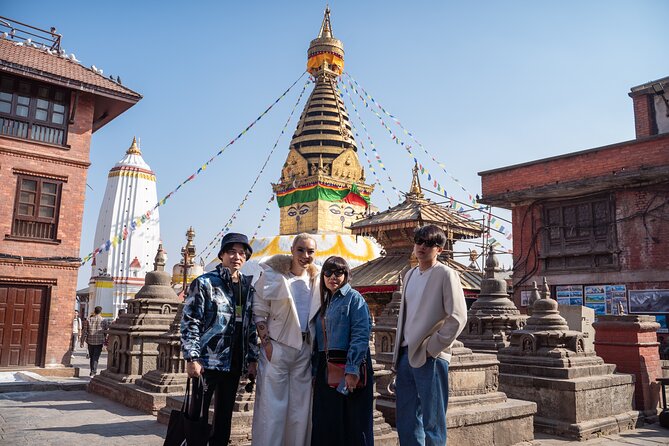
- Swayambhunath’s 360° viewpoint over Kathmandu Valley, plus prayer wheels and monkeys
- Patan Durbar Square craft focus, where metalwork and wood carvings feel up close
- Pashupatinath along Bagmati River, including sacred cremation ceremonies (bring respectful focus)
- Boudhanath giant stupa and Kora walk, a built-in way to slow your pace
- Prakash-led context, praised for being attentive and strong on Nepalese history and culture
- Two extra cultural visits, thangka painting school and healing bowl demonstration
A Day Built Around Kathmandu’s UNESCO “Must-See” Loop
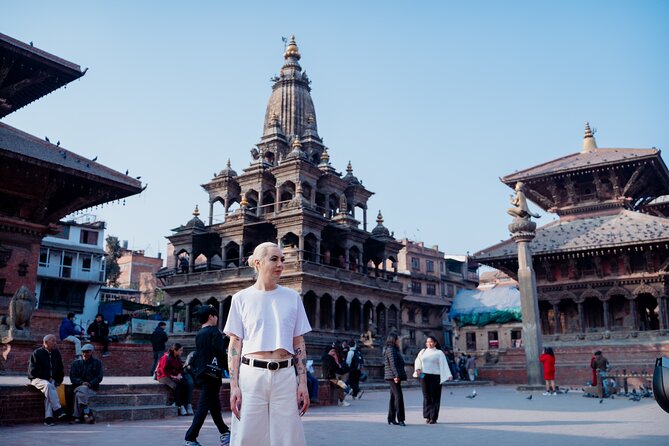
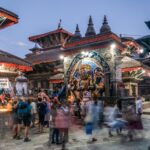
If your Kathmandu time is short, this is the kind of day plan that makes sense. You get four major UNESCO heritage sites in one outing: Swayambhunath, Patan Durbar Square, Pashupatinath, and Boudhanath. The value is in the connections between them: you’re not just hopping from photo spot to photo spot, you’re seeing how different religious traditions shape daily life in the valley.
I’d frame the day like this: start with a high, panoramic temple view, move into craft and royal architecture at Patan, then shift to the living spiritual intensity of Pashupatinath and the calmer meditation rhythm of Boudhanath. That flow helps your brain file everything into a coherent story.
One practical note: you’re looking at a 5 to 7 hour window, so the schedule works best when you’re ready to walk, climb temple steps, and keep moving.
You can also read our reviews of more guided tours in Kathmandu
Price and What It Really Covers (and Doesn’t)
The listed price is $55 per person. For many people, the biggest question is what you’ll pay on top of that.
Here’s the important part: UNESCO entrance fees are not included, and the extra cost is given as about USD 20 or NPR 2600 per person. Yet the stop descriptions also say admission tickets are included at each site. That contradiction is exactly why I suggest you confirm what the final total includes when you book. The safest approach is to plan for a separate UNESCO fee and treat the rest as part of the tour package.
On the plus side, your day doesn’t look like a money trap. The tour includes an air-conditioned vehicle, a government license holder guide, bottled water (1000ml per person), and two cultural visits (thangka painting school and a healing bowl demonstration center). Lunch is not included, so you’ll need a plan for food on your own.
Also check the human side of budgeting: tips to the guide and driver are not included, but they’re expected.
Getting Around: Pickup, Group Size, and a Realistic 5–7 Hours
This is set up as a private-style experience: only your group participates. That’s handy because it usually means fewer delays from other groups and more control over your pace.
You can also get pickup offered, and the tour includes an air-conditioned vehicle. That matters in Kathmandu traffic, where speed can change minute to minute. Expect the itinerary to feel like a tour with a plan, not a free day.
Timing is fairly clear by stop:
- Swayambhunath: about 1 hour
- Patan Durbar Square: about 2 hours
- Pashupatinath: about 1 hour
- Boudhanath: about 1 hour
So you’re not spending half the day at just one site. The upside is you see all four. The trade-off is that you’ll likely get shorter look-times than if you only picked one area.
Stop 1: Swayambhu Mahachaitya (Monkey Temple) and Kathmandu’s 360° View
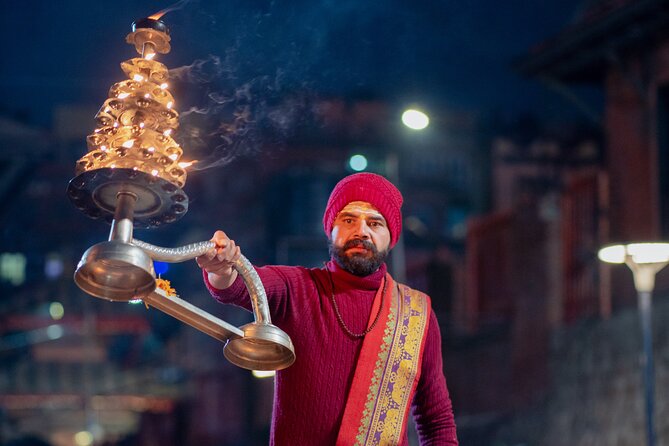
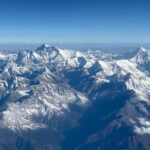
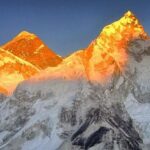
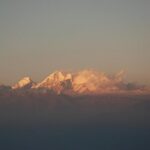
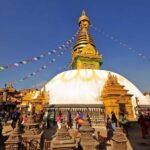
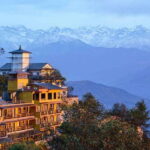
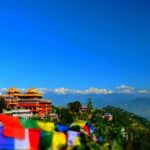
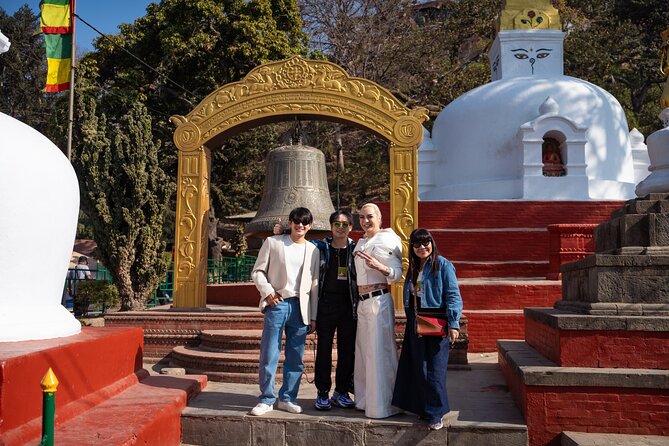
Your first major stop is Swayambhu Mahachaitya, the temple/stupa commonly nicknamed Monkey Temple. It sits on a hill, so the big reason to come early or come ready is the panoramic feeling. From up there, you get a 360° view over Kathmandu Valley and parts of the Himalaya.
This stop also comes with temple details that make it more than a lookout:
- monkeys and their constant activity
- ancient-style prayer wheels
- the sense that people are using the site as a living place, not only a monument
The main drawback here is simple: hilltop temples mean steps and uneven surfaces. If you have mobility limits, you’ll want to take it slow and ask for guidance.
Stop 2: Patan Durbar Square, Krishna Temple, and Craft That You Can See
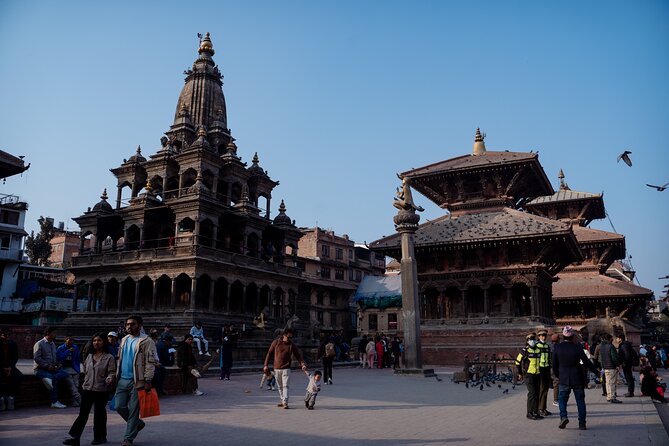
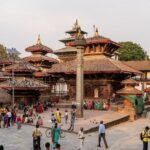
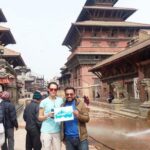
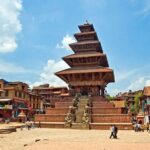
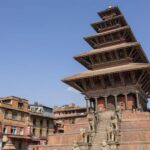
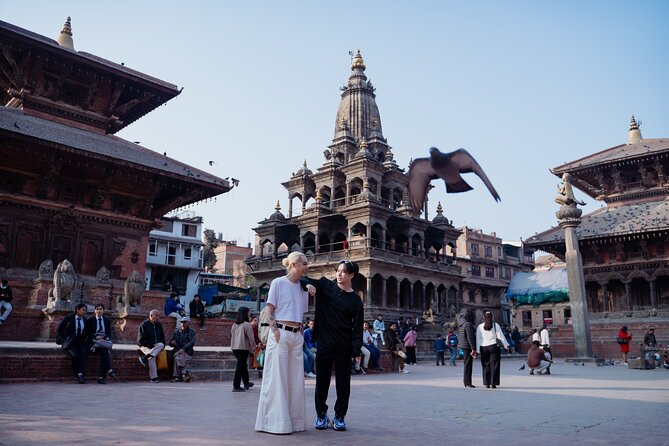
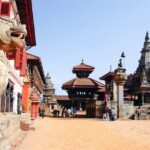
Next comes Patan Durbar Square, the palace-area heart of Patan. Here, “Durbar” refers to the royal complex, and you can expect monuments and temples clustered around the square.
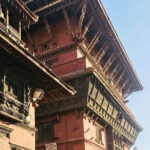
What makes this stop especially worth your time is the craft-focused vibe. You’re set up to notice centuries-old metalwork and wood carvings, and the standout named highlight is the Krishna Temple. This is the kind of site where a guide’s context helps. Without it, you might still enjoy the architecture, but with it, you start seeing patterns in why things are shaped the way they are.
This is also the longest stop besides the route as a whole: about 2 hours. If you like taking photos and then stepping back to look at details, this is the best spot to slow down.
You can also read our reviews of more historical tours in Kathmandu

Stop 3: Pashupatinath Temple and the Bagmati Cremation Ceremonies
Then you shift to Pashupatinath Temple, one of the most important Hindu temples for Hindu people worldwide. The temple sits on the eastern side area you’ll be guided through, and it’s known for the sacred relationship with the Bagmati River.
The itinerary includes the chance to see sacred Hindu cremation ceremonies along the river. This is the stop where I’d tell you to prepare emotionally. It’s spiritual, but it’s also intense and very real. A good guide helps you understand what you’re looking at and how to behave respectfully.
Practical tip: you may want to dress modestly and be ready for areas where you’ll be standing and watching. Even if the stop is “only” about 1 hour, it can feel longer because your attention anchors to what’s happening.
Stop 4: Boudhanath Stupa and the Kora Ritual Walk
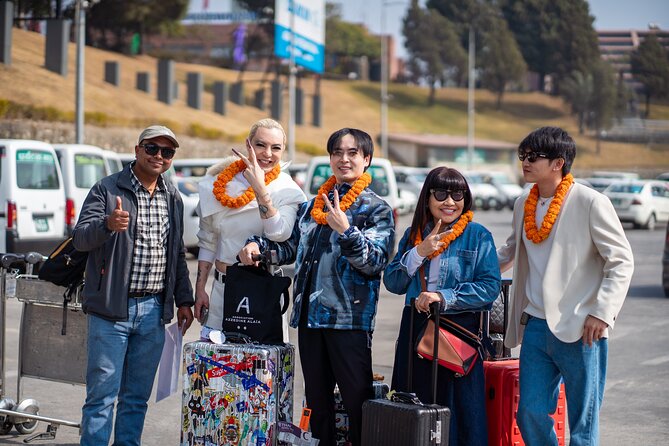
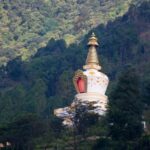
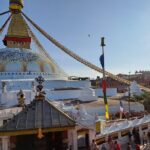
The final UNESCO site is Boudhanath Stupa, described as the biggest Buddhist temple in Nepal and the second biggest Buddhist stupa in the world. It’s massive, and that size does something to the atmosphere. You feel it as a place that draws people in and helps them focus.
What you’ll do here is not just look at the stupa. The itinerary calls out the Kora ritual walk, where devotees circle the dome. This is one of the best ways to experience the site’s rhythm without needing a long explanation. You watch the flow of people, the repeat movement, and the quiet focus.
If you’re tired from the day, Boudhanath can be your reset. The stop is about 1 hour, which is often enough time to walk a portion of the Kora and still step back to appreciate the stupa itself.
The main consideration is crowds and the movement of devotees. Keep a little flexibility and don’t expect a quiet, empty viewing spot.
The Extra Cultural Stops: Thangka Painting and Healing Bowls
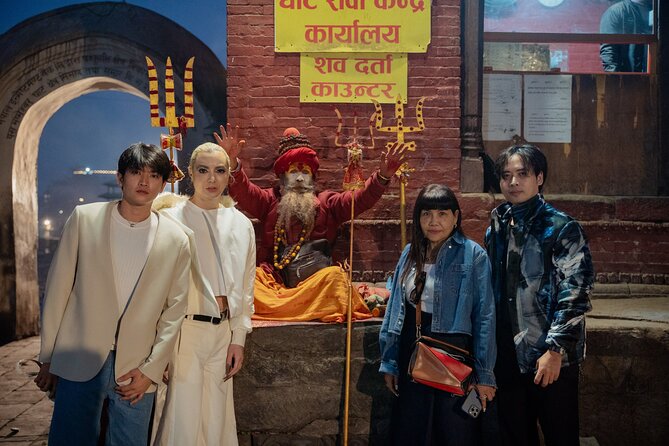
Between the big UNESCO names, the tour includes two cultural visits that add texture.
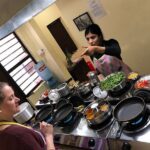
First: a visit to a thangka (traditional art) painting school. This is a chance to see a different side of Kathmandu’s religious culture: art as devotion and storytelling. Even if you don’t plan to buy anything, it can help you connect with the visual language that shows up around temples and monasteries.
Second: a healing bowl demonstration center visit. You’ll get a demonstration, which can be a calming break from walking and temple steps. It’s not a UNESCO site, but it’s part of what makes this tour feel like more than a checkbox day.
These stops also make the day feel more “local” in tone. They give you a thread to follow from the sacred sites into the traditions people practice off the main square.
The Guide Experience: Why Prakash Makes the Day Click
This tour’s standout in the feedback is the guide, often mentioned by name as Prakash. The praise is consistent: he’s friendly, attentive, and gives detailed context that helps you understand what you’re seeing rather than just where you’re going.
One note specifically mentioned is that Prakash holds a Masters Degree. More important than the credential is what it translates into during the day: explanations tied to Nepalese history and culture, with enough clarity that you can connect temple details to meaning.
If you want to get the most out of the day, go into it with one or two questions. Examples you can ask:
- How do Hindu and Buddhist traditions show up differently across these four stops?
- What should I notice first when looking at the architecture and carvings at Patan?
- What is the respectful way to observe rituals at Pashupatinath?
A strong guide turns a crowded street into a readable page.
Lunch, Shoes, and Other Small Decisions That Matter
Lunch is not included. So build your day around a meal break you control. If you’re the type who gets grumpy when hungry, take that seriously. Also plan water use: bottled water is provided, but you’ll still want to pace yourself in warm weather.
For clothing: temple zones in Kathmandu are generally strict about modesty, especially when rituals are happening. The data doesn’t list a dress code, so I can’t be specific, but I’d pack in a way that lets you cover shoulders and knees comfortably.
Shoes matter too. Temple surfaces can be uneven, and you’ll also climb and descend. Comfortable walking shoes will save you from turning the day into a foot pain contest.
Who Should Book This Kathmandu UNESCO Day Tour
This is a good fit if you:
- have limited time and want the “top four” UNESCO sites in one pass
- like guided explanations that make spiritual places easier to understand
- want a mix of viewpoints, architecture, and ritual life in one day
- value value-for-money with a licensed local guide and included add-ons like thangka and healing bowl visits
It’s also a solid choice if you prefer a structured route and don’t want to stress about hopping between neighborhoods. Pickup and an air-conditioned car reduce the mental load.
This is less ideal if you:
- want only one site at a relaxed pace
- are sensitive to watching cremation ceremonies
- dislike walking steps and moving between locations
Should You Book This Tour or Skip It?
If you want a practical Kathmandu day that hits four UNESCO World Heritage sites with a guide who can explain what you’re seeing, I’d say this tour is worth your attention. The included extras (bottled water, thangka painting school, healing bowl demo) make it more than a simple transfer between temple gates.
Before you confirm, do one quick check: ask whether the UNESCO entrance fees are truly included in your final price, since the cost is both described as not included and also as admission tickets being included at each stop. Plan to budget the stated UNESCO fee if there’s any doubt.
If the idea of Pashupatinath’s cremation rituals feels like too much for your comfort level, you might consider a different itinerary that keeps things lighter. But if you’re ready to see Kathmandu as it really lives, this one-day loop is a focused way to do it.
FAQ
Which UNESCO heritage sites are included in this Kathmandu tour?
The tour covers four UNESCO heritage sites: Swayambhunath, Patan Durbar Square, Pashupatinath Temple, and Boudhanath Stupa.
How long does the tour take?
The duration is listed as 5 to 7 hours (approx.).
Is pickup included?
Yes, pickup is offered.
Is the tour private?
Yes. It’s listed as private, with only your group participating.
Are UNESCO entrance fees included in the price?
UNESCO entrance fees are listed as not included, with an additional cost given as USD 20 or NPR 2600 per person.
Is lunch included?
No. Lunch and all foods and drinks are not included.
What’s included in the package besides the guide?
Included items are an air-conditioned vehicle, a government license holder tour guide, a thangka painting school visit, a healing bowl demonstration center visit, and bottled water (1000ml) per person.
Do I get a mobile ticket?
Yes, the tour includes mobile ticket.
Should I tip the guide and driver?
Tips to the guide and driver are expected (not included).
Can I cancel for a full refund?
Yes. Free cancellation is available if you cancel at least 24 hours before the experience start time for a full refund. If you cancel less than 24 hours before, the amount paid is not refunded.