REVIEW · CITY TOURS
Kathmandu city tour – 4 UNESCO World Heritage Sites
Book on Viator →Operated by Trekking Planner Nepal · Bookable on Viator
Kathmandu feels like a museum you can walk through. This tour strings together four UNESCO World Heritage sights in one efficient 4–6 hour circuit, so you get a strong sense of how Hindu and Buddhist traditions share the same city space. I like that the day is guided end-to-end, not just “good luck” sightseeing, and the route keeps you moving between major landmarks without wasting time.
I also really liked the pace. In particular, my guide (Kedar) adjusted the timing to match the energy in the group, so it didn’t feel like a speedrun. One thing to consider: monument entry fees are not included, and they’re collected locally in Nepalese rupees, so you’ll want cash ready.
In This Review
- Key highlights you’ll feel right away
- A 4–6 Hour Kathmandu Loop Through the UNESCO Classics
- Meeting Your Guide and Getting Around in Comfort
- Stop 1: Kathmandu Durbar Square and Hanuman Dhoka in One Stretch
- Stop 2: Swayambhunath Monkey Temple Views and Etiquette
- Stop 3: Boudhanath Stupa, Prayer Wheels, and a Lunch Break
- Stop 4: Pashupatinath Temple and the River-Side Atmosphere
- What You Get for $75: Guide, Car, and a Tight Itinerary
- How the Pacing Really Works (and Why It Matters)
- Small-Group Benefits You’ll Actually Notice
- Best Fit for Your Style of Travel
- Weather and Practical Reality in Kathmandu
- Should You Book This Kathmandu UNESCO City Tour?
- FAQ
- What places are included in the Kathmandu city tour?
- How long is the tour?
- What is the price per person?
- Is hotel pickup and drop-off included?
- Are monument entry fees included in the price?
- Is lunch included?
- What’s included in the tour package?
- Is the tour group small?
- What if the weather is bad?
- What’s the cancellation policy?
Key highlights you’ll feel right away
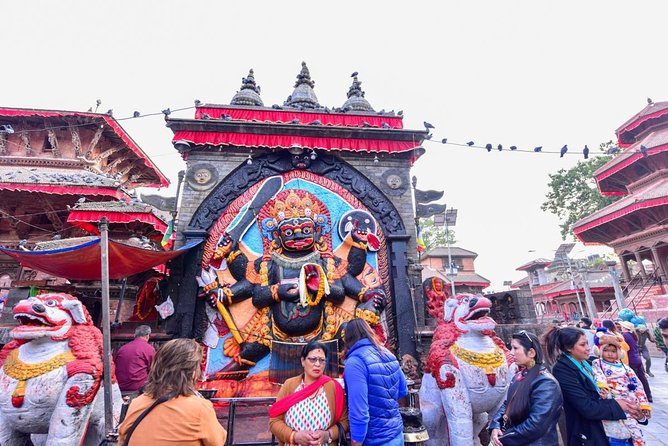
- Four UNESCO sites in one tight Kathmandu route (Durbar Square, Swayambhunath, Boudhanath, Pashupatinath).
- Hotel pickup and drop-off plus an air-conditioned car/van to keep the day comfortable.
- A guide who can adjust the pace to your wishes (Kedar is a standout example).
- Small group size with a maximum of 10 travelers for a calmer experience.
- Lunch time built in during the Boudhanath stop, instead of rushing it.
- Mobile ticket for an easier start to your day.
A 4–6 Hour Kathmandu Loop Through the UNESCO Classics
This is a practical Kathmandu “greatest hits” day. You’re not trying to conquer the whole valley. You’re getting a curated circuit that hits the biggest historic religious and royal sites in central Kathmandu and nearby outskirts.
The value here is the structure. Kathmandu can feel spread out, and traffic can be unpredictable. This tour uses short driving legs to connect your stops, with each one given enough time to actually notice things: carvings, rituals, street life, and the way pilgrims move through the space.
You should expect a day that feels like three parts at once: a history stop (Durbar Square), two religious-view stops (Swayambhunath and Boudhanath), and one deep-culture temple visit (Pashupatinath). It’s a balanced mix, not just a checklist.
You can also read our reviews of more city tours in Kathmandu
Meeting Your Guide and Getting Around in Comfort
Your day starts after breakfast at your hotel. The tour includes hotel pickup and drop-off, and you’ll ride in an air-conditioned car/van with a driver. For a city like Kathmandu, that’s not a luxury detail—it’s the difference between arriving fresh and arriving tired.
A quick note on what you’ll likely experience with pickup: you get a single meeting plan, then you’re in motion. That matters because navigating the city on your own can turn into a lot of time spent figuring out where to go next.
You’ll also travel with a small maximum group size of 10. That helps in temples and crowded areas. You’re less likely to feel herded, and your guide can steer you based on how your group is doing—especially if you want more photos or a slower walk.
Stop 1: Kathmandu Durbar Square and Hanuman Dhoka in One Stretch
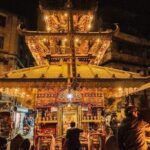
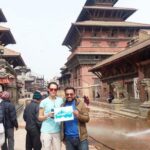
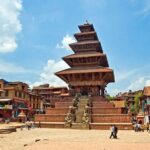
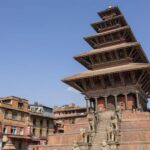
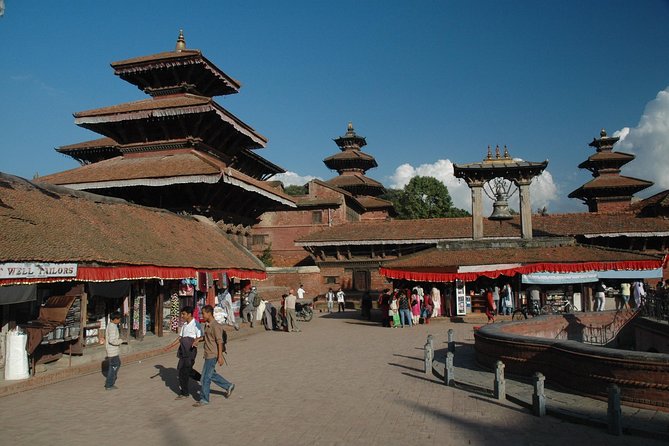
Kathmandu Durbar Square is your “start-history-here” stop. It sits in the central part of the city and was once a royal palace area and courtyard. Even if you’re not a hardcore architecture person, you’ll feel why people come: the place carries layers—royal, religious, and everyday—right in the same lanes.
You’ll spend about 1 hour 30 minutes here. That’s a good window because Durbar Square isn’t only about one building. It’s about how the square works as a hub. You can take your time reading details and noticing how people use the space while keeping an eye on the big-ticket sights around Hanuman Dhoka.
What I like about this stop for first-timers: it gives you a baseline for the rest of the day. After you’ve seen the royal-courtyard vibe, the next religious sites start to make more sense.
Possible drawback: because it’s a central, active area, it can be busy. If you prefer quiet or want lots of space for photos, you may need to be a bit flexible with timing and where you stand.
Stop 2: Swayambhunath Monkey Temple Views and Etiquette
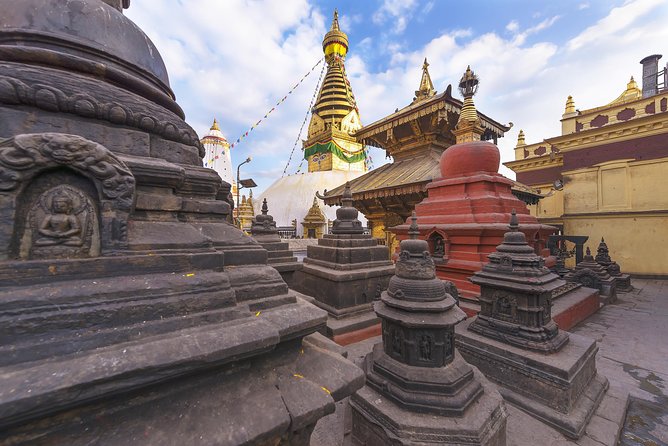
Next you head west to Swayambhunath, commonly called the Monkey Temple. This is a stupa-area visit with a typical time of about 1 hour (or less, depending on your pace).
Why it’s worth a dedicated stop: Swayambhunath is one of those places where the setting does work for you. Even in a short visit, you’ll understand why it’s famous—pilgrims come for spiritual reasons, and the views give the whole area a sense of scale.
Your guide will help you move through the visit in a way that feels more orderly. You’ll know where to look and what to pay attention to, rather than wandering and hoping you’re “doing it right.”
A practical consideration: any stupa site with monkeys means you should be ready for a little chaos. Keep small items secure, keep an eye on your surroundings, and don’t act surprised if a monkey treats you like a snack delivery service. (They’re not the main attraction, but they are part of the experience.)
Stop 3: Boudhanath Stupa, Prayer Wheels, and a Lunch Break
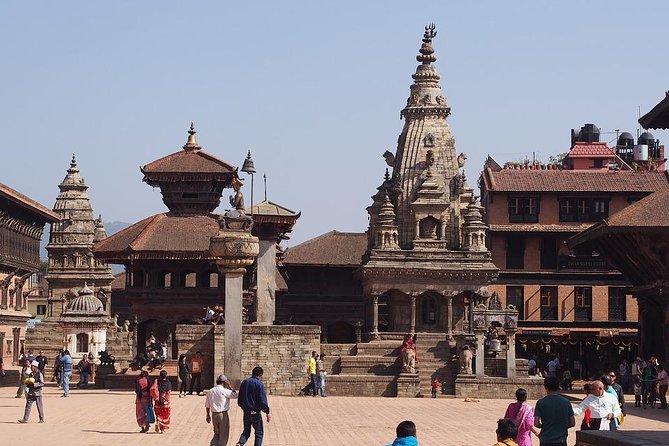
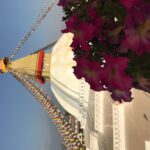
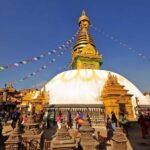
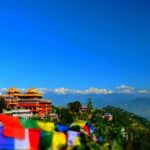
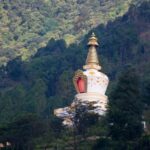
Then comes Boudhanath Stupa, one of the most important Buddhist sites in the Kathmandu valley. You’ll get around 2 hours, and this stop includes time for a lunch break.
That’s a smart detail. A lot of tours “find time for lunch” by squeezing it between attractions. Here, lunch is built into the schedule, which makes the day feel more human. You’ll have time to sit, reset, and return to the stupa area with better energy.
What to expect: you’ll likely spend time around the stupa and its prayer-wheel area, watching how people move and participate. Even if you don’t know the rituals, you can still learn a lot by observing—how people approach, how they pause, and how faith shows up in repeated actions.
Drawback to plan for: this stop can take some patience because it’s religiously meaningful and usually active. If you’re the type who gets stressed when you’re shoulder-to-shoulder, treat this as your “slow down” moment, not a “finish fast” stop.
You can also read our reviews of more historical tours in Kathmandu
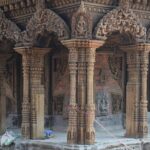

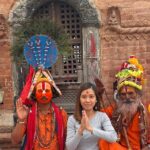
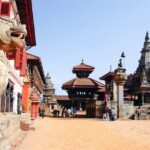
Stop 4: Pashupatinath Temple and the River-Side Atmosphere
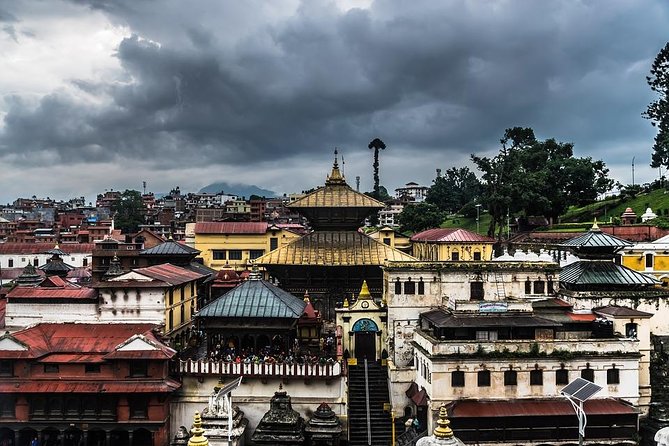
Your final major stop is Pashupatinath Temple, a famous Hindu temple near the Baghmati river area. The visit is typically about 1 hour.
This stop matters because it’s not just “another temple.” It’s one of Kathmandu’s most recognizable spiritual sites, and it carries a strong sense of place. You’ll see religious activity in a way that feels integrated into the city’s daily rhythm, rather than separated into a showpiece.
Your guide keeps the visit grounded—what to look for, how to understand the layout, and how to respect the space while you’re there. That guidance is especially useful if you’re visiting as a first-timer and want the cultural meaning, not only the photos.
A consideration: temple visits can involve rules about where you can stand and how you move. This is one of the reasons having a guide is valuable—you’ll save time and avoid misunderstandings.
What You Get for $75: Guide, Car, and a Tight Itinerary
The price is $75.00 per person, and it’s usually booked about 35 days in advance on average. That tells me two things: people plan this as a core day when they arrive, and slots likely fill during peak travel windows.
So, is it worth it? For many people, yes—because you’re paying for three things at once:
1) A professional tour guide (not just a driver),
2) Transportation in an air-conditioned vehicle,
3) Hotel pickup and drop-off, which saves real time.
If you tried to do these four UNESCO stops on your own, you’d spend time mapping routes, negotiating transport, and figuring out the order so you’re not backtracking. Here, the order is already chosen to make the day work.
Important catch: monument entry fees are not included. You’ll pay NPR 2650 per person directly to monuments in local currency. Make sure you budget for that extra cost and carry the right form of payment.
Also budget for small extras. Food and drinks aren’t included, and tips to guide and driver are not included. Tips are normal in Nepal, but you’ll want to decide ahead of time what feels fair for your day.
How the Pacing Really Works (and Why It Matters)
This tour isn’t just about where you go. It’s about how the day is paced.
From the way the experience is described, the guiding approach can adjust based on what you want. In one case, the tour ran for about 4 hours while still covering major highlights and providing history and culture context. That flexibility is a big deal, because Kathmandu days can feel long even when the schedule looks short.
The time at each stop is varied:
- Durbar Square / Hanuman Dhoka: about 1.5 hours
- Swayambhunath: about 1 hour or less
- Boudhanath: about 2 hours, plus lunch break
- Pashupatinath: about 1 hour
That mix prevents the classic problem of tours where everything is rushed except the last stop. Here, you get enough time at the major “big wow” sites, and the schedule supports a calmer rhythm.
Small-Group Benefits You’ll Actually Notice
With a maximum group size of 10 travelers, this isn’t a chaotic bus tour. You’ll likely get:
- easier movement at religious sites,
- quicker guidance when you’re unsure what to look at,
- and less waiting around for the whole group to regroup.
Small groups also make it easier for your guide to check in. If someone needs a slower route or wants more time at a particular corner, there’s more room for that kind of adjustment.
Best Fit for Your Style of Travel
This tour is a strong match if you:
- want an efficient day in Kathmandu without planning transport between four major sites,
- like guided context for cultural landmarks,
- and prefer a structured itinerary that still lets you set the pace.
It’s also a good fit if you’re traveling for a short trip and want to get oriented fast—Durbar Square gives you the royal/history anchor, then you pivot to Buddhist and Hindu religious anchors across the city.
If you’re the type who wants to linger for hours at one site with no schedule pressure, you might find the time at each stop a bit controlled. This tour is designed for coverage and clarity, not for sitting all day in one courtyard.
Weather and Practical Reality in Kathmandu
This experience requires good weather. That’s not a fine-print detail—it affects what you can see and how comfortable the walking and viewpoints feel.
If weather turns, the tour may be canceled and you’ll be offered a different date or a full refund. In practice, that means you should avoid booking this as your only “must-do” day without backup options.
One more practical point: you’re near public transportation, so you’re not stuck if you need to do a quick add-on before or after the tour. Still, for most people, the hotel pickup-and-drop-off is what makes the day easy.
Should You Book This Kathmandu UNESCO City Tour?
I’d book it if you want a first solid day in Kathmandu with four UNESCO World Heritage sites and minimal hassle. The combination of a professional guide, air-conditioned transport, and a route that includes a lunch break makes it a good value way to see major highlights without burning half your day on logistics.
Skip or reconsider if:
- you don’t want to deal with monument entry fees paid locally,
- you prefer ultra-slow sightseeing with long free time at one site,
- or your schedule is too tight for a weather-dependent day.
If you’re aiming for a balanced introduction—history, Hindu worship, Buddhist stupa life, and royal-courtyard atmosphere—this tour is a solid way to get your bearings fast.
FAQ
What places are included in the Kathmandu city tour?
The tour covers four UNESCO World Heritage sites: Kathmandu Durbar Square (Hanuman Dhoka), Swayambhunath (Monkey Temple), Boudhanath Stupa, and Pashupatinath Temple.
How long is the tour?
It runs about 4 to 6 hours total.
What is the price per person?
The listed price is $75.00 per person.
Is hotel pickup and drop-off included?
Yes. Hotel pickup and drop-off are included.
Are monument entry fees included in the price?
No. Monument entry fees are paid locally in Nepalese rupees. The fee listed is NPR 2650 per person, paid directly to the monuments.
Is lunch included?
Lunch is not included as part of the tour price, but there is a lunch break during the Boudhanath Stupa stop.
What’s included in the tour package?
Included items are a professional tour guide, air-conditioned car/van with driver, and hotel pickup and drop-off. A mobile ticket is also provided.
Is the tour group small?
Yes. The tour has a maximum group size of 10 travelers.
What if the weather is bad?
The experience requires good weather. If it’s canceled due to poor weather, you’ll be offered a different date or a full refund.
What’s the cancellation policy?
You can cancel for a full refund if you cancel at least 24 hours in advance of the experience’s start time.