REVIEW · KATHMANDU
10 Days Nepal Adventure Tour from Kathmandu
Book on GetYourGuide →Operated by Himalayan Smile Treks and Adventures Pvt. Ltd. · Bookable on GetYourGuide
Nepal hits different in 10 action-packed days. This tour strings together UNESCO Kathmandu mornings, adrenaline on the Trishuli River, and real time in the lowlands and mountains, all with a local guide and a small-group feel.
I like that the pace is packed but not chaotic: you get guided context for monuments, then hands-on days in nature. I also like the Ghandruk trek portion because it’s short enough to feel achievable, but still lands you in a working Gurung village.
One thing to consider: some cultural stops can turn into pushy shopping moments, and English quality can vary by guide pairings. If you want lots of site detail without the hard sell, you’ll need to speak up and ask questions.
In This Review
- Key Reasons This Trip Works
- Kathmandu, Then Wild and Wild Again
- Kathmandu Valley: UNESCO Sites You’ll Actually Understand
- From Kathmandu to Chitwan: Trishuli Rafting Day Sets the Tone
- Chitwan National Park: More Than Just a Safari Ride
- Pokhara’s Detours: Falls, Caves, and Lakeside Time
- Ghandruk Trek: Gurung Village Life and Real Trail Days
- Pothana and Dhampus: Trail Variety Without Too Much Suffering
- Road Days: What to Expect When Nepal Transit Is Part of the Deal
- Guides and Small-Group Flow: Where the Quality Shows
- Price and Value: What You’re Paying For at $1,080
- What to Bring (So the Trip Feels Easy)
- Who Should Book This Nepal Adventure Circuit
- Should You Book It?
- FAQ
- How long is the Nepal adventure tour?
- How big is the group?
- What languages are included?
- What activities are included in this tour?
- What’s included for accommodations?
- Are meals fully included throughout the trip?
- Do I need a trekking porter?
- What transport is included between major places?
- What’s the cancellation window?
Key Reasons This Trip Works
- Kathmandu Valley UNESCO sites with an organized flow: Bhaktapur Durbar Square, Pashupatinath, Boudhanath, and Swayambhunath
- Trishuli River whitewater rafting as the bridge between culture and adventure
- Chitwan National Park activities beyond a quick viewing: safari-style time, canoeing, birding, and elephant bathing
- Pokhara with classic detours like Davis Falls, Gupteshwor Caves, and the Tibetan Refugee Camp
- Ghandruk-to-Pothana trekking that balances village life with mountain views
- Small group (up to 12) with a live English tour guide
Kathmandu, Then Wild and Wild Again
This is a tour for people who want Nepal in one clean circuit: temples, river thrills, wildlife, and a Himalayan hike. You start in Kathmandu with cultural structure, then gradually move toward nature-heavy days in Chitwan and Pokhara.
What makes it feel smart is the variety of settings. You’re not repeating the same kind of day. One day is stone and ritual. Next is moving water. Then it’s jungle sounds and animal-spotting. After that, you’re walking the slopes toward villages and ridge views.
You can also read our reviews of more tours and experiences in Kathmandu.
Kathmandu Valley: UNESCO Sites You’ll Actually Understand
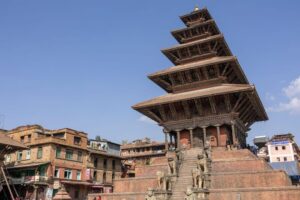
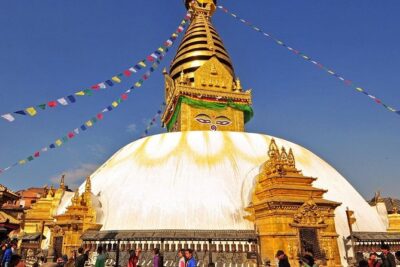
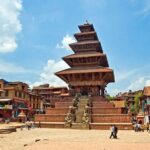
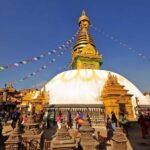
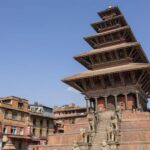
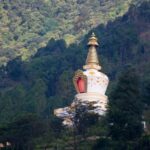
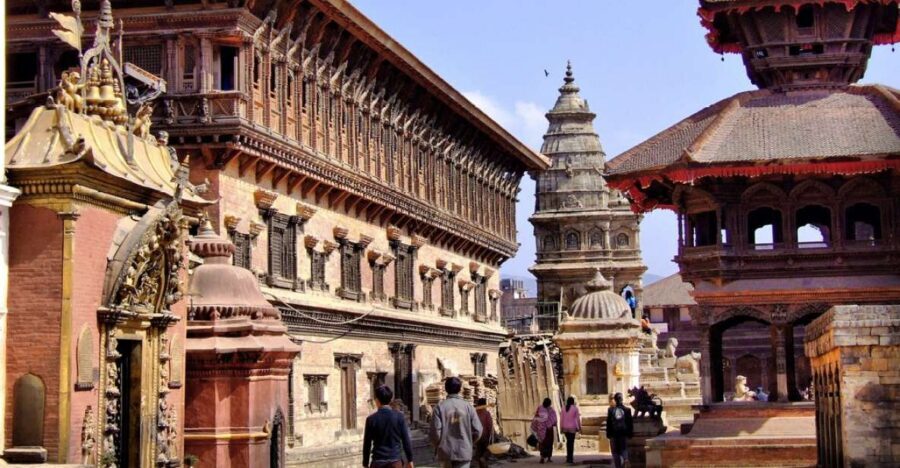
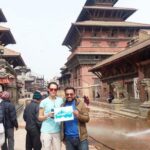
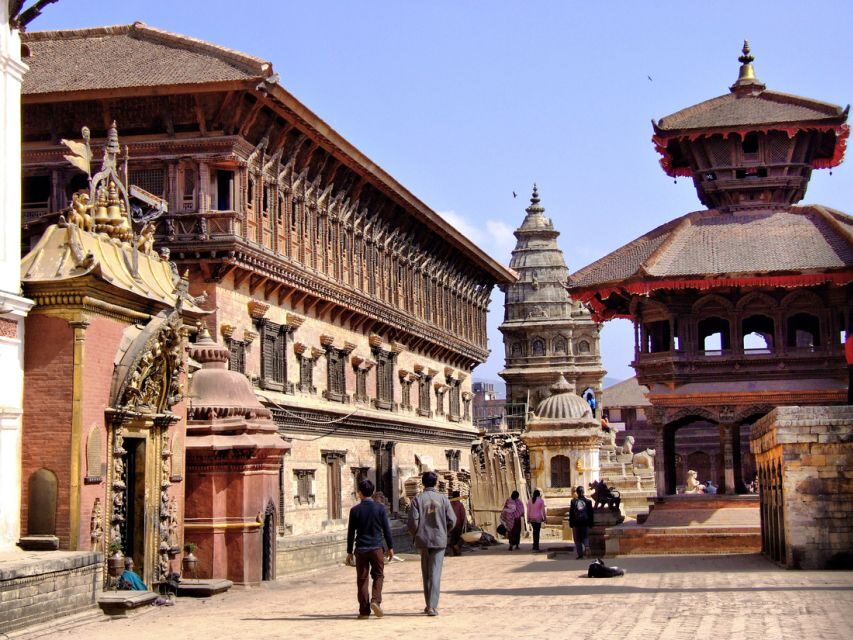
You’ll spend a full sightseeing day in the Kathmandu Valley focused on major UNESCO World Heritage listings: Bhaktapur Durbar Square, Pashupatinath Temple, Boudhanath Stupa, and Swayambhunath (Monkey Temple).
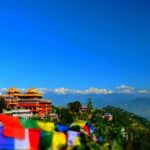
Here’s why I like this lineup. It gives you the full “religion and culture” picture without forcing you to pick just one theme. Bhaktapur is craft and palace-era architecture. Pashupatinath lets you see Hindu religious life up close. Boudhanath shows you Buddhist practice in a big, visible way. Swayambhunath adds the hilltop viewpoint and the lively feel that comes with it.
Practical tip: Kathmandu mornings can move fast. If you care about photos, wear something you can layer and plan for steps and uneven surfaces around old stone sites.
From Kathmandu to Chitwan: Trishuli Rafting Day Sets the Tone
After you arrive and get settled, the next big shift is your drive to Chitwan, with a rafting stop on the Trishuli River. This is the day that changes your mental gear. You go from temples and history into water energy and teamwork.
Rafting on the Trishuli works well in a circuit like this because it breaks the travel day into an activity, not just sitting in a vehicle. You’ll also be moving toward Chitwan, so the adrenaline doesn’t feel random. It’s part of the story: you’re headed to Nepal’s lowland wild side.
When you reach Chitwan, your evening includes a cultural display by the Tharu people. Even if you’ve seen dance shows elsewhere, this one fits the trip because Tharu culture connects to the region where you’ll spend your jungle days.
Chitwan National Park: More Than Just a Safari Ride
Chitwan is where this tour earns its adventure reputation. You get a full day of jungle activities at Chitwan National Park, not just a short drive-and-stop routine.
Your day is built around several activities:
- jungle safari time
- canoeing
- birding
- and bathing elephants
That mix matters. If you only did one type of activity, you’d mostly get one sensory angle. Here, you get different ways of watching animals and moving through the ecosystem. Canoeing and birding can be calmer and more detail-focused, while safari time is about scanning and spotting.
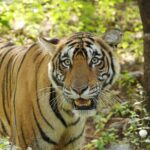
One practical note: wildlife experiences depend on conditions. Animal sightings aren’t guaranteed the way a zoo schedule is. But your guided approach and varied formats give you more chances to see things, and birding can be surprisingly rewarding even on days with lighter mammal sightings.
Pokhara’s Detours: Falls, Caves, and Lakeside Time
Next you drive to Pokhara, with planned stops that feel like “Nepal highlights” without turning the day into a checklist grind.
You’ll visit:
- Davis Falls
- Gupteshwor Caves
- Tibetan Refugee Camp
Then you finish with an evening that’s simple and useful: relax by the lakeside.
I like Pokhara in itineraries like this because it’s a psychological reset after wildlife and trekking days. The lake evenings give you room to catch your breath, sort out your gear, and enjoy a slower rhythm.
If you’re the type who likes views, this is also where you’ll start mentally framing the trek ahead. You’re not yet climbing, but you’re getting that mountain context.
Ghandruk Trek: Gurung Village Life and Real Trail Days
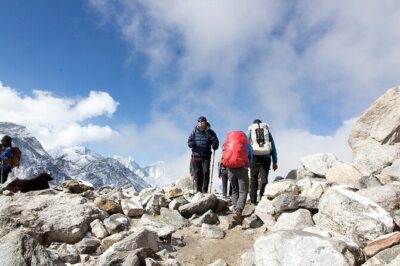
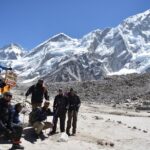
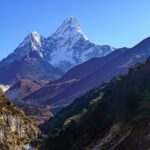
Your trekking segment begins from Nayapul, then you trek to Ghandruk inside the Annapurna Conservation Area. Ghandruk is described as a fine Gurung village, and that matters more than the label.
A village trek is different from a viewpoint trek. You pass through lived-in places with local life in view, not just photo stops. You’ll spend a night in a lodge in the village area, which is exactly what you want from a short trek: enough time to feel the shift from driving days to walking days.
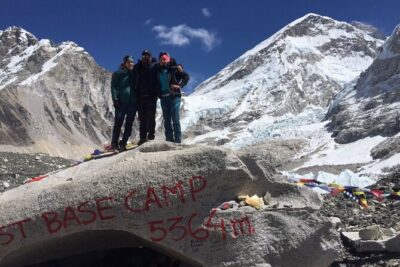
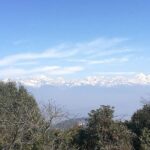
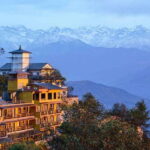
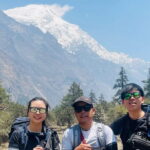
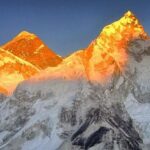
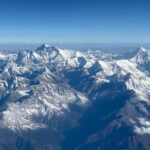
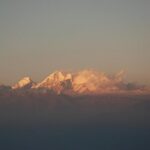
The views are a big deal here too. The itinerary is built around mountain views of the Himalayan range. You’ll also get the feel of mountain people and daily lifestyle, which is why Ghandruk works as a cultural landing point before you continue.
Fitness reality check: this trek is not framed as requiring mountaineering skills, and you don’t need rippling-hero muscles. The key is being reasonably fit and comfortable walking for sustained blocks of time. If that’s you, you’ll enjoy this.
Pothana and Dhampus: Trail Variety Without Too Much Suffering
On day 7, you trek from Ghandruk to Pothana, moving through mountain views, forests, and local villages. Day 8 brings another switch: trekking to Phedi via Dhampus, then driving back to Pokhara.
This is a good structure for first-time trekkers because it keeps the trek parts connected. You’re not jumping between distant trails. The route has continuity: village-to-trail-to-village, then back down toward lake city comfort.
Dhampus is the kind of name you’ll remember. It’s often where people talk about ridge views. In this tour, it functions as the “walkout” segment that sets up your return to Pokhara.
And day 8 finishes with an evening walk around Phewa Lake. That’s a practical choice. After hours of walking, a gentle lake stroll feels like you earned it.
Road Days: What to Expect When Nepal Transit Is Part of the Deal
This itinerary is realistic about transport. The routes between Kathmandu, Chitwan, and Pokhara take time, and road conditions can vary.
For Kathmandu to Chitwan, expect about 5–7 hours of driving. Some sections around Malekhu/Benighat can be bumpy due to construction, while much of the rest is smooth blacktop.
For Pokhara to Kathmandu, it can run about 6–8 hours, with a smooth newer road for the first portion and then dusty or narrow stretches near areas that aren’t on the map. You’ll also deal with widening work near Kathmandu.
Translation: you should plan to be comfortable in a vehicle for long stretches. If you hate motion sickness, bring what helps you. If you’re fine with it, the driving time passes faster when the itinerary keeps giving you meaningful stops like rafting, caves, and village days.
Guides and Small-Group Flow: Where the Quality Shows
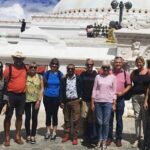
This tour runs as a small group limited to 12 participants, and that’s a big part of why it feels easier. In a group that size, you’re not just another ticket number. You can ask questions. Your guide can adjust pace and explanations.
A big plus in the reviews you’re reading off this tour: Pramod Pangeni is mentioned as a professional guide who stayed attentive throughout the trip. Another guide, Dharma, is singled out for being kind and energetic on the trek, even helping with carrying a backpack at times.
That matters on a mixed itinerary. On a city day, you need someone who can explain what you’re seeing. On trekking days, you need someone who can manage safety and comfort. On jungle days, you need spotting skills and calm logistics. A good guide makes the same route feel easier.
One possible drawback, though: if you end up with a guide who isn’t as proactive with explanations, you may want to ask for more detail on what you’re visiting. Also, watch for any shop stops that feel like hard selling. If you don’t want that part, you can politely state you’re not interested and refocus on the sites.
Price and Value: What You’re Paying For at $1,080
At $1,080 per person, you’re paying for a lot of moving parts staying bundled together: private airport transfers, Kathmandu hotel nights, Pokhara hotel nights, Chitwan lodge time with 3 meals, trekking guide support, rafting on the Trishuli River, and Chitwan jungle activities.
You’re also getting the permissions and logistics that add up in real life:
- trekking permit included
- sightseeing included
- tour guide (English)
- trekking guide
- most transport between regions is handled (including Pokhara to Nayapul by private transportation, and Phedi to Pokhara by private transportation)
What’s not included is equally important. The tour data says:
- all meals are not included (with the exception that Chitwan includes 3 meals, and hotel stays include breakfast)
- trekking porter is not included
- trekking mountain lodge and meals while trekking are not included
- Kathmandu and Pokhara sightseeing entrance fees are not included
- lunch and dinner in Kathmandu and Pokhara are not included
So is it good value? For many people, yes, because rafting, guides, and intercity transport cost real money on their own. The key is your willingness to budget for on-your-own meals and trek-time lodge/food expenses. If you arrive knowing what’s extra, you won’t get surprised.
What to Bring (So the Trip Feels Easy)
The essentials you’ll be asked for include a passport or ID card, plus a passport-sized photo.
For the trek, the tour data points out that trekking gear is not included. So pack with care for day walking and lodge nights. Also consider medical basics in a small kit, even though personal medical kits aren’t provided.
One more practical tip: because the schedule mixes hotels, jungle lodge, and trekking areas, you’ll want comfortable layers. Kathmandu and Pokhara can feel different in temperature than the lower jungle zones.
Who Should Book This Nepal Adventure Circuit
This works best if you want a “great hits” Nepal mix without planning your own transfers and guides.
It’s especially good for:
- people who want one guided circuit covering cities, rafting, wildlife, and trekking
- reasonably fit walkers who can handle multiple trekking days without needing mountaineering training
- travelers who like variety and don’t want to spend their whole trip in only one region
It’s not suitable for:
- wheelchair users
- people over 95 years
Also, if you want a very flexible pace with no shop stops, build your own mindset for saying no politely and sticking to what you came for.
Should You Book It?
If you want Nepal in 10 days with big variety and organized guiding, I think this tour is a strong choice. The combination of Kathmandu UNESCO sights, Trishuli rafting, Chitwan’s multi-activity jungle day, and a short Annapurna-area trek is a good formula for people who want to feel you covered the country without living on buses all day.
I’d book it if you’re okay handling extra meal and lodge costs during trekking, and if you’ll advocate for yourself if shopping pressure shows up. I’d skip it if you want a slower, deeper cultural immersion or a trip designed around minimal vehicle time.
FAQ
How long is the Nepal adventure tour?
It runs for 10 days.
How big is the group?
The group is small, limited to 12 participants.
What languages are included?
The live tour guide and the audio guide are both in English.
What activities are included in this tour?
You’ll do Kathmandu Valley sightseeing, Trishuli River rafting, Chitwan National Park jungle activities, and trekking to Ghandruk plus additional trek segments in the Annapurna area.
What’s included for accommodations?
There are 3 nights in Kathmandu (with breakfast), 2 nights in Pokhara (with breakfast), 2 nights at Chitwan National Park with 3 meals, and 2 nights on the Annapurna Ghandrung trek.
Are meals fully included throughout the trip?
No. Breakfast is included at the Kathmandu and Pokhara hotels, Chitwan includes 3 meals, but trekking lodge and all meals while you’re trekking are listed as not included. Lunch and dinner in Kathmandu and Pokhara are also listed as not included.
Do I need a trekking porter?
A trekking porter is not included.
What transport is included between major places?
Airport pickup and drop-off are included by private vehicle, and there’s listed transportation between Pokhara and Kathmandu by bus, plus private transportation for Pokhara to Nayapul and for Phedi to Pokhara.
What’s the cancellation window?
You can cancel up to 24 hours in advance for a full refund.