REVIEW · KATHMANDU
All Nepal Tour
Book on Viator →Operated by Above the Himalaya Trekking · Bookable on Viator
Wildlife, temples, and big mountain air in one sweep. All Nepal Tour connects Kathmandu, Pokhara, Lumbini, and Chitwan in about 10 days, with airport/hotel transfers by private vehicle plus a small-group feel (max 15). You’ll get a guided, organized flow that still leaves room to wander through markets and everyday streets.
I also like how much is handled for you before you even land: expert guides, hotel breakfasts throughout, and the Chitwan jungle side includes a nature guide and jungle permits. The main consideration is budget creep: lunch and dinner in several cities, plus visa cost and some entry fees, are not included—so your final spend may be higher than the base price.
If you can travel in clear-weather windows (especially autumn), this kind of tour works well because the big views and comfortable temperatures make early mornings easier. Just do your homework on documents and insurance, because this is the part that can’t be improvised at the last minute.
In This Review
- Key highlights worth knowing
- How this 10-day Nepal tour feels in real life
- When the weather makes or breaks the trip
- Kathmandu: temples, heritage sites, and learning how locals see the city
- Pokhara: a softer rhythm with Annapurna Range scenery nearby
- Lumbini: pilgrimage focus with a calmer, reflective pace
- Chitwan jungle program: the kind of nature day you can’t fake
- Transportation: private vehicles in cities, local buses between them
- Value check: what the $1,290 price really covers
- Where you should expect extra costs
- Group size, timing, and the small details that affect comfort
- Who should book this tour (and who might want a different style)
- Should you book All Nepal Tour?
- FAQ
- How long is the All Nepal Tour?
- Which places does this tour include?
- What transportation is included during the trip?
- What is included in the price?
- What is not included?
- Do I need a visa for Nepal, and how much is it?
- When is the best time to go for mountain views?
- How large is the group?
- Is free cancellation available?
Key highlights worth knowing
- Small group size (max 15) helps keep the pace human and the guide questions practical
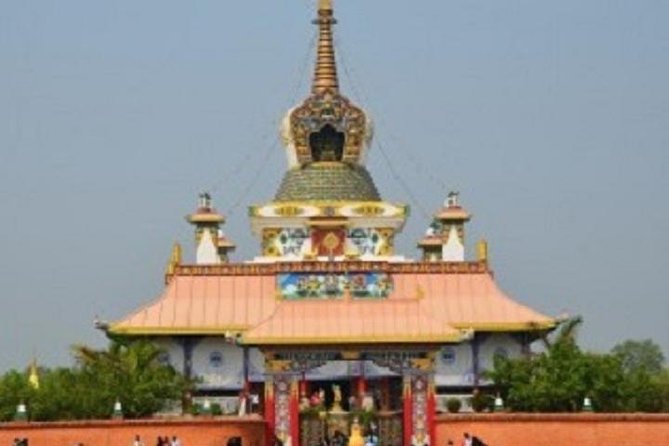
- Kathmandu, Pokhara, Lumbini, Chitwan means you don’t just see temples—you also get jungle time
- Chitwan includes permits and a jungle program instead of a vague “free time” block
- Hotels with breakfast keep mornings simpler after longer travel days
- Guides in multiple cities are built into the plan, so you’re not bouncing around with guesswork
How this 10-day Nepal tour feels in real life
This tour is built for travelers who want a full Nepal experience without playing logistics roulette. You’re moving between four major bases—Kathmandu, Pokhara, Lumbini, and Chitwan—with guided days and included hotel stays, so you spend more energy on the sights and less on figuring out where to be and when.
The tone is straightforward: you’ll see important religious and cultural sites, then shift gears toward nature and wildlife. That mix is a big reason the trip holds up—temples and markets don’t feel repetitive when a jungle day is waiting on the calendar.
You’ll also notice the company leans into “people-first” service. In past experiences with the same operator, guides like Ajay in Kathmandu are described as friendly and strong at showing real local daily life—not just the postcard view. The owner, Puru, also gets credit for staying on top of arrangements, which matters when you want fewer surprises.
You can also read our reviews of more tours and experiences in Kathmandu.
When the weather makes or breaks the trip
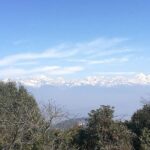
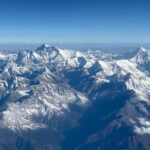
Nepal weather changes fast by season, and this tour’s best months are the ones with clear skies and comfortable temperatures. If you can travel between September and November, you’re aiming for autumn conditions with very pleasant, clearer mountain views. Temps listed are roughly up to 30°C and down to 2°C, depending on where you are and what time of day you go out.
If you’re traveling March to May, it’s warmer, with temperatures noted up to 33°C and lows around 13°C. That can be great for walking, but you’ll want to plan for heat when you’re outdoors during peak sun.
December to mid-February is colder but often clear, with maximums around 19°C and lows down to -2°C. That’s when layers matter most, especially if mornings in the hills and evenings cool down faster than you expect.
June to August brings the rainy season, with especially July/August getting more rain. With highs near 34°C and lows near 19°C, you’ll still have heat, but you’ll also have mist, slick paths, and less reliable visibility for distant mountain views.
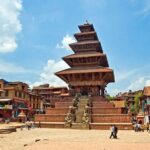
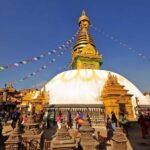
Kathmandu: temples, heritage sites, and learning how locals see the city
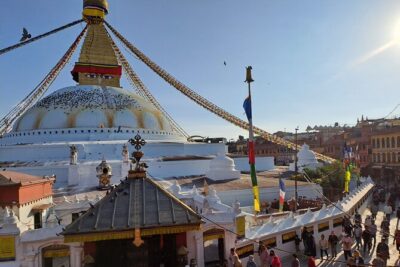
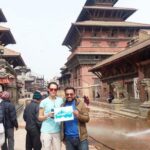
Kathmandu is where Nepal starts to make sense. Even if you’ve seen photos, the city hits differently in person—sound, smell, crowds at the right corners, and the quiet respect people show at major sites.
This tour includes a guided Kathmandu visit with a private vehicle for getting around. One thing I appreciate is that the guidance isn’t just about naming monuments. A guide named Ajay has been singled out for taking visitors to places where you can experience authentic day-to-day life, which tends to make the historic sites more than checkmarks.
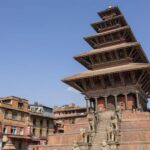
You should expect a day focused on classic landmarks and atmosphere: old temples, heritage sites, and the kind of streets where you notice how communities organize around religion, family life, and local commerce. There’s also a welcome and farewell Nepali dinner in Kathmandu, which is a smart way to get a taste of Nepal without turning the evenings into an endless search for food plans.
A practical tip: Kathmandu can feel dense. Even with a vehicle, you’ll want a pocket-sized plan for breaks—water, rest stops, and sun protection—because you’ll likely be out on foot during parts of the sightseeing.
Pokhara: a softer rhythm with Annapurna Range scenery nearby
Pokhara is where many travelers breathe again. Compared with Kathmandu’s intensity, it often feels more relaxed, and it’s a strong base for enjoying mountain scenery in a gentler setting.
This tour includes a guided Pokhara day using an expert tour guide and private vehicle support in the city. You also transfer from Kathmandu to Pokhara by tourist/local bus, so you’ll want to keep a light daypack with essentials for the ride. (Long drives can be fine, but comfort beats bravery.)
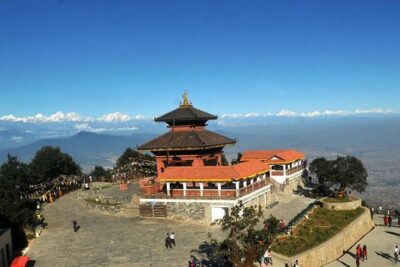
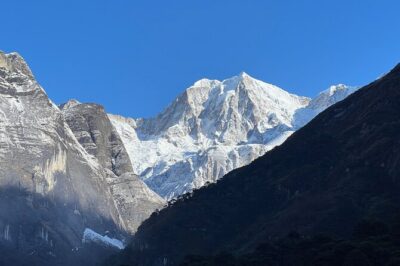
The real value in Pokhara here is the balance: you get the chance to enjoy the area’s reputation for mountain views (including the Annapurna Range), without turning the trip into nonstop trekking. If you’re someone who wants scenery and photos but prefers less altitude stress, Pokhara is often the sweet spot.
One small caution: Pokhara weather can influence how much you see from viewpoints. If you’re traveling in rainier months, visibility can drop. That doesn’t ruin the trip—it just means you should set expectations for clouds.
Lumbini: pilgrimage focus with a calmer, reflective pace
Lumbini is a different kind of travel day. It’s not about nightlife or frantic sightseeing; it’s about reverence, history, and quiet attention. Even if you’re not traveling for religious reasons, the atmosphere tends to slow you down.
This tour includes guided visits in Lumbini plus transport between bases. You’ll travel into Lumbini after Pokhara (noted as Pokhara to Lumbini by tourist/local bus). That means you’ll want to keep an easy routine: water, layers for changing temperatures, and a simple mindset for travel transitions.
Lumbini’s value on this tour is timing. It breaks up the heavier movement between Kathmandu and Chitwan. Instead of another city day full of traffic and crowds, you get a calmer anchor that fits well in a 10-day structure.
Also, your guide matters more here than you might think. A good guide can help you connect what you’re seeing—sites, practices, and why people travel there—to something meaningful instead of purely informational.
Chitwan jungle program: the kind of nature day you can’t fake
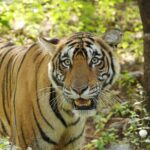
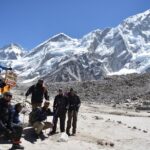
Chitwan is where the tour shifts from temples-and-markets energy to animal-and-river energy. This part of Nepal travel is popular for a reason: it’s one of the best ways to see wildlife country without needing days of trekking.
The included Chitwan jungle programme has a nature guide and jungle permit coverage as part of the package. That’s important. Permits and local guidance aren’t just bureaucracy; they shape where you can go and how safely you can experience the park.
You’ll also have transport from Lumbini to Chitwan by tourist/local bus. If you’re sensitive to long, bumpy rides, plan to bring motion-comfort basics (snacks, water, something to keep you occupied, and a layer for air movement).
What I like about including this segment is that it forces the day to be purposeful. You’re not left scrambling to arrange wildlife activities on the fly. Instead, the plan is set up so your time in Chitwan is spent on the park experience itself.
Transportation: private vehicles in cities, local buses between them
The tour uses a mix of transport types, and that affects comfort more than you’d expect. Inside the Kathmandu/Pokhara/Lumbini cities, you can rely on a good-condition private car/van with a driver, depending on group size. That’s the practical piece that keeps schedules workable.
Between major regions, you use tourist/local buses: Kathmandu to Pokhara, Pokhara to Lumbini, and Lumbini to Chitwan. Buses are common in Nepal travel, but they mean your day can feel longer. Pack patience, not just snacks.
The plan also notes that flights are available for long drives, but flights aren’t explicitly included in what you’ve paid here. So if you hate bus days, consider discussing options with the operator before departure so you can adjust parts of the route.
If your goal is comfort, don’t treat “private transportation” wording as a guarantee for every hop. Airport/hotel transfers by private vehicle are included, but extra private rides are listed as not included.
Value check: what the $1,290 price really covers
At $1,290 for about 10 days, this is priced like a guided “most things handled” Nepal package. It’s not a bare-bones budget trip, and it’s not a luxury private-vehicle tour either. The value comes from the combination: hotels, guides, transfers, and permits.
Here’s what stands out as meaningful inclusions:
- Hotel accommodation throughout with breakfast
- Guided tours in Kathmandu, Lumbini, and Pokhara with an expert tour guide and vehicle support
- Airport/hotel/airport transfers by private vehicle
- Chitwan jungle programme details including jungle permit and nature guide
- Welcome and farewell Nepali dinner in Kathmandu
- Pre-departure information and trip dossiers
- Small “nice extras”: Above the Himalaya gifts like a T-shirt for gents and a pashmina shawl for ladies
That combination matters because it reduces decision fatigue. You don’t have to spend hours comparing tickets, hunting down guides, or figuring out which sites require permits. In Nepal, that time savings is real value.
Where you should expect extra costs
Even though the core package is solid, don’t assume the trip price is the full budget. The main extras listed are:
- Nepal visa fee (shown as available on arrival): USD 25 for 15 days or USD 40 for 30 days
- Lunch and dinner in Kathmandu, Lumbini, and Pokhara
- City tour sightseeing entry fees and other entry fees not included
- Tips and gratitude
- Any other expenses not listed as included
That’s why I recommend doing a simple add-on estimate: one or two meals per day plus any entry fees you might hit. If you’re traveling with a comfortable per-day meal budget, the trip feels more predictable. If you’re trying to keep expenses razor-tight, the included breakfast plus extra meals could surprise you.
Also, the package does not list the cost of international airfare or airport tax, which is typical, but worth planning for early.
Group size, timing, and the small details that affect comfort
This tour caps at 15 travelers, which keeps it from turning into a chaotic herd. A smaller group also tends to make guides more responsive, especially when you want a quick explanation of what you’re seeing or where to stand for photos.
Timing is also worth flagging. The start time is listed as 12:15 am, which is unusually late/early. I can’t tell from the information given whether that’s a data typo or an unusual scheduling pattern, so treat it as a prompt to confirm the exact pickup time when you book.
You’ll get confirmation at booking and a mobile ticket, which is convenient for keeping details in one place. Just don’t wait until the last day to check paperwork.
The tour asks you to bring official documents and mentions 4 extra passport-sized photographs for trekking permits. This may not apply to every traveler if the trip doesn’t include trekking for you, but it’s safer to have them. The general theme is clear: Nepal runs on paperwork, so travel with what they request.
Finally, insurance isn’t optional in a practical sense. The tour notes that you should have comprehensive coverage for medical, personal accident, emergency evacuation, trip cancellation, lost or damaged gear, theft, and natural calamity coverage.
Who should book this tour (and who might want a different style)
This tour fits best if you want:
- A guided cultural-and-nature mix across multiple regions
- Included hotels and breakfast so mornings aren’t a scramble
- A plan that includes Chitwan permits and a structured jungle programme
- A small group size (max 15) rather than a massive busload
It may not fit if you:
- Want to spend most of your time entirely off the guided schedule (there’s a guided structure here)
- Are trying to avoid all extra spend beyond the headline price (lunch/dinner and entry fees aren’t included)
- Hate long stretches on local buses between regions (since Kathmandu–Pokhara and others are bus-based)
Should you book All Nepal Tour?
I think this is a smart booking when you want Nepal without the planning burden. The biggest strengths are the mix of Kathmandu, Pokhara, Lumbini, and Chitwan plus the fact that key logistics—hotels with breakfast, guided city days, airport transfers, and the Chitwan permit and guide—are handled for you.
If you’re the type who hates surprises, do a little budgeting ahead of time for visas, lunch/dinner, and entry fees. If you do that, the $1,290 price starts to feel fair for a fully guided 10-day run.
If you’re sensitive about comfort on long road travel days, make sure you’re okay with the tourist/local bus segments. If yes, you’ll likely love how quickly the trip takes you from temple courtyards to wildlife country.
FAQ
How long is the All Nepal Tour?
The tour duration is listed as 10 days (approx.), running from arrival to departure.
Which places does this tour include?
The tour visiting places are Kathmandu, Pokhara, Chitwan, and Lumbini.
What transportation is included during the trip?
Airport/hotel/airport transfers are included by private vehicle. Intercity transport is listed as Kathmandu to Pokhara, Pokhara to Lumbini, and Lumbini to Chitwan by tourist/local bus, while good-condition private car/van is used depending on group size for guided city travel.
What is included in the price?
Included items list hotel accommodation throughout with breakfast, guided tours in Kathmandu, Lumbini, and Pokhara, airport and hotel transfers by private vehicle, necessary paperwork and government taxes, all meals (as stated in the inclusion list), Chitwan jungle programme with nature guide and jungle permit, first aid kit availability, and pre-departure information and trip dossiers. A welcome and farewell Nepali dinner in Kathmandu is also included, plus Above the Himalaya gifts (T-shirt for gents and pashmina shawl for ladies).
What is not included?
Not included are expenses not listed in the price includes section, international airfare/airport tax, city tour sightseeing entry fees, lunch and dinner in Kathmandu/Lumbini/Pokhara, Nepal entry visa fee, tips, and private transportation.
Do I need a visa for Nepal, and how much is it?
The tour data states you can get a Nepal visa upon arrival at the airport. It lists visa cost as USD 25 for 15 days and USD 40 for 30 days.
When is the best time to go for mountain views?
The information provided says September to November has very pleasant and clear weather with the best mountain views. March to May is warm, and December to mid-February is cold but clear.
How large is the group?
The tour notes a maximum of 15 travelers.
Is free cancellation available?
Yes. Free cancellation is offered if you cancel up to 24 hours in advance for a full refund. If you cancel less than 24 hours before the experience start time, the amount paid is not refunded.