REVIEW · EVEREST BASE CAMP TREKS
From Kathmandu: Guided Everest Base Camp Trek
Book on GetYourGuide →Operated by Info Nepal Tours and Treks · Bookable on GetYourGuide
Everest Base Camp feels close the moment the trail starts. I love the mix of Everest Base Camp drama and Namche Bazaar acclimatization rhythm, with Sherpa culture along the way, but you do need to respect altitude and long walking days.
This trek also has the practical parts handled: domestic flights to Lukla (when selected), a live English guide, and a small group pace that makes it easier to move steadily and stay organized as you climb. One thing to consider: plans depend on mountain weather and flight conditions, so you’ll want some patience in your schedule.
In This Review
- Quick hits before you go
- Kathmandu to Lukla: starting the climb at 2,610–2,800m
- Namche Bazaar acclimatization: the 3,440m day that saves your lungs
- Tengboche and Buddhist monastery views around 3,867m
- Dingboche at 4,400m and the value of a rest day
- Lobuche and Gorakshep: moving into the high zone near 5,150m
- Everest Base Camp and Kala Patthar at 5,364–5,545m
- Days 10–12: returning via Namche and Lukla to Kathmandu
- Value check: what you really get for $408
- Your guide and small-group feel: English support that matters at altitude
- Pace, altitude, and weather: how to handle the difficult parts
- Lodges, food, and the full board option
- Sagarmatha National Park permit: why it’s worth being included
- Who this Everest Base Camp trek suits best
- Should you book this Everest Base Camp trek from Kathmandu?
- FAQ
- How long is the Everest Base Camp trek?
- What route does the trek follow from Kathmandu?
- How high does the trek go?
- Is an English guide included?
- Are meals and drinks included?
- Is the Sagarmatha National Park permit included?
- Are flights between Kathmandu and Lukla included?
- What is not included in the price?
- What about cancellation and payment flexibility?
Quick hits before you go
- Lukla fly-in shortcut: You start the trek the way most people dream about, without days of extra travel first.
- Namche acclimatization day: You get a full day at 3,440m to adjust before going higher.
- Tengboche monastery stop: A spiritual break with prayer rituals and big mountain views at 3,867m.
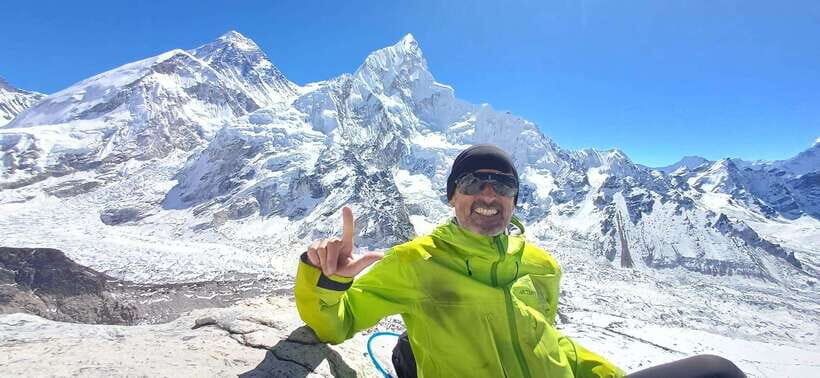
- Gorakshep and Kala Patthar: The final push to Base Camp area followed by a climb to 5,545m for close-up Everest views.
- Sagarmatha National Park included: Your permit is built into the trek, so you’re not scrambling at the last minute.
Kathmandu to Lukla: starting the climb at 2,610–2,800m
Most Everest Base Camp routes begin with a flight from Kathmandu to Lukla, and this one follows that plan when you choose the flights option. You trade ground travel for a quick jump into the Khumbu and start walking at around 2,610m, which is high enough to feel it even before the real climbing begins.
Your first trek day goes to Phakding, a gentle opener that helps you settle in with your breathing and rhythm. Then you step upward toward Namche Bazaar, the key “gateway” town where most people start to feel the altitude in their legs and lungs.
One practical advantage here is pacing. By the time you reach Namche at 3,440m, you’ve already warmed up your body, so the next day isn’t a shock. That matters because Everest is not a sprint kind of trek.
You can also read our reviews of more guided tours in Kathmandu
Namche Bazaar acclimatization: the 3,440m day that saves your lungs
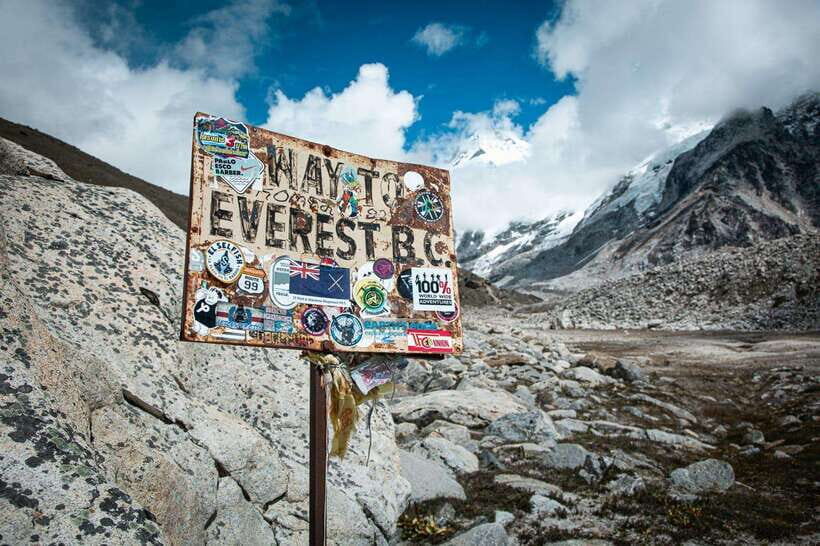
Namche Bazaar is where the trek becomes real. It’s also where you gain breathing room, since you get an acclimatization day there before continuing higher. That rest and adjustment day is one of the smartest parts of the whole plan.
At this elevation, small improvements in how you walk make a big difference. I like that the route doesn’t just rush upward; it gives you time to stabilize before you climb again. You also get the chance to shop for local crafts and get oriented to Sherpa life in the Everest region.
If you’re traveling solo, this kind of town day can also feel comforting. Even on a small group trek, you’re not constantly moving. You can take it slow, drink water, and figure out what your body needs.
Tengboche and Buddhist monastery views around 3,867m
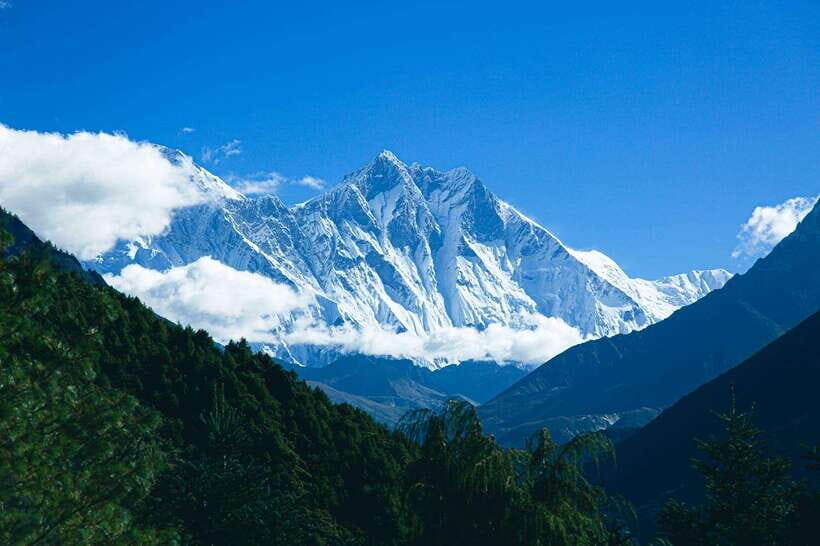
As the trek climbs toward Tengboche at about 3,800m, the scenery tightens and the views start to sharpen. This is the kind of stop where the altitude and the atmosphere both add weight to the day.
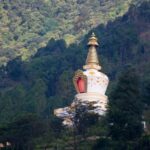
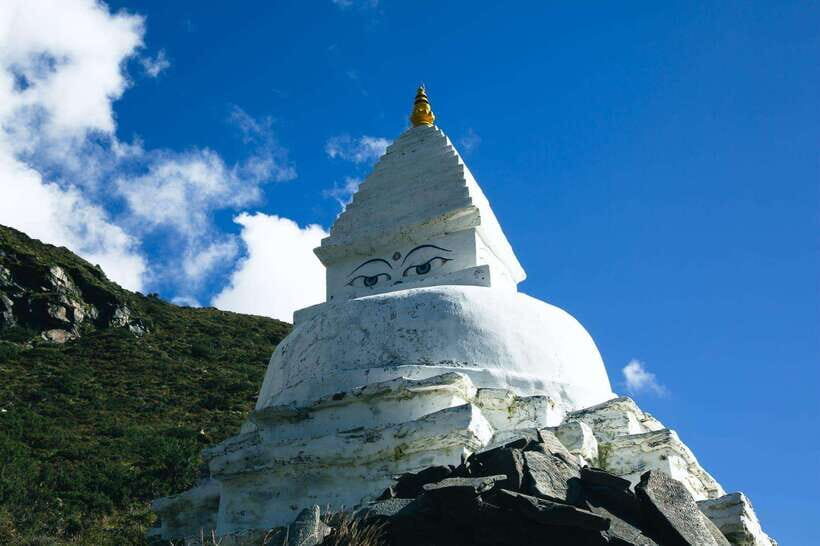
Tengboche is known for its monastery, and you’ll be in the right place for a spiritual pause. Watching the daily routines and prayer moments here gives context for the Sherpa Buddhist culture you’ll keep seeing across the Khumbu. It’s not just a photo stop; it helps you understand why these communities live so closely with the mountain.
There’s also a practical benefit. Monastery stops often slow the pace naturally, so you don’t overdo it on the way there. If you’re trying to avoid altitude headaches or exhaustion, that kind of built-in calm is helpful.
Dingboche at 4,400m and the value of a rest day
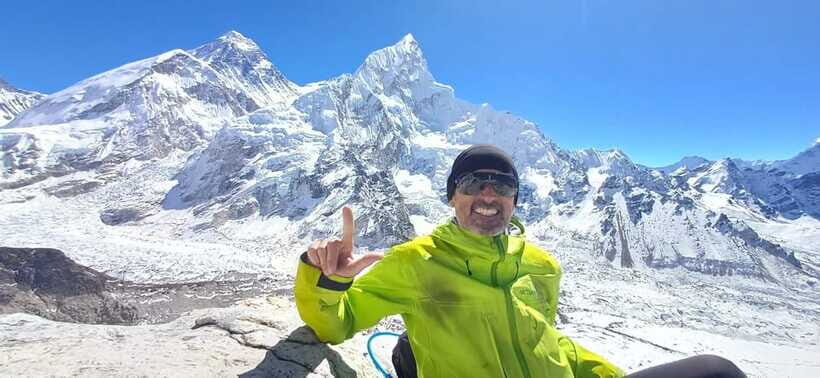
Dingboche is where the trek shifts again. The elevation climbs to about 4,400m, and the terrain starts to feel more rugged and exposed. This is a place where you want your system working smoothly, not fighting fatigue.
That’s why the rest day in Dingboche is so important. After you’ve climbed, your body needs time to adjust to the thinner air. A real rest day isn’t lazy—it’s training your body to handle higher elevations later.
I also like that you’re not only thinking about altitude. Dingboche is in Sagarmatha National Park, and the region’s wildlife and plant life can be part of what you notice as you walk. You’re in a high-altitude ecosystem, not just a line on a map.
When you take that extra day seriously, the next step—pushing higher toward Lobuche—feels more manageable.
Lobuche and Gorakshep: moving into the high zone near 5,150m
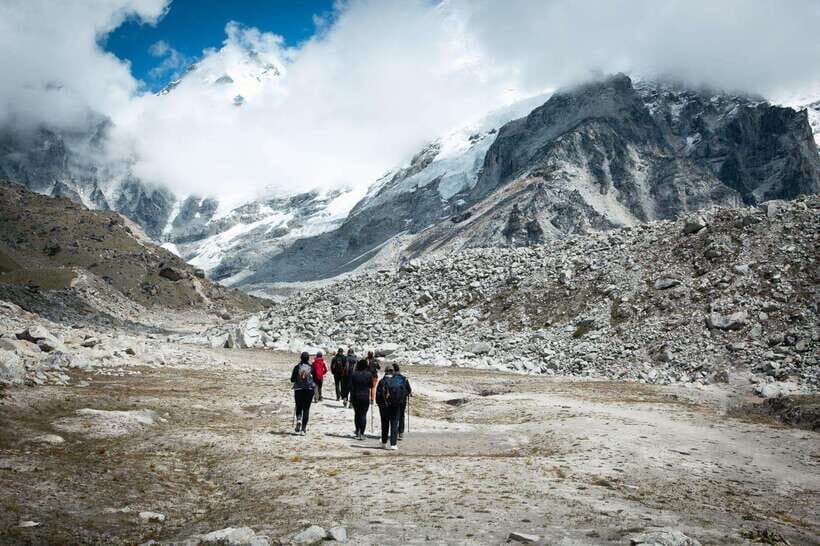
The route continues to Lobuche at about 4,900m, then up again to Gorakshep around 5,150m. By now, you’re deep in the altitude band where every decision counts: how fast you walk, how often you drink, and how carefully you manage your energy.
Gorakshep is the staging point for the Everest Base Camp area. It’s also where the landscape begins to feel more glacial and severe. You may notice how different the air feels—colder, drier, and more demanding on breath.
This is where the trek’s “final approach” energy shows up. You’re not just walking to reach Base Camp; you’re walking to reach the viewpoints and the glacier zone that make the whole effort worth it.
If your legs feel heavy at this stage, that’s normal. The trick is to keep moving gently rather than trying to power through. The route gives you time for the big summit-adjacent moment at a later day.
You can also read our reviews of more hiking tours in Kathmandu
Everest Base Camp and Kala Patthar at 5,364–5,545m
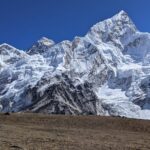
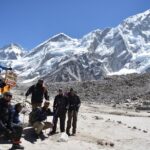
Reaching Everest Base Camp is the headline. The route brings you to the Base Camp area at about 5,364m, where the icefall zone and surrounding glacial scenery create that “I can’t believe I’m here” feeling.
You also get a crucial second payoff: the Kala Patthar hike to about 5,545m. This climb is for close-up Everest views, especially around sunrise. If Everest is the reason you came, Kala Patthar is often the moment you remember later.
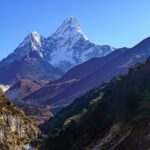
This combination matters. Base Camp itself is iconic, but Kala Patthar is where the geometry of the peaks can feel sharper and closer. You get two different kinds of rewards: arrival-at-the-destination awe, plus the high-angle viewpoint that makes the mountain look almost reachable.
After the high points, the trek heads back down toward Pheriche around 4,200m. That descent helps your body recover, and it gives your knees a break from the thin-air slog.
Days 10–12: returning via Namche and Lukla to Kathmandu
After Pheriche, the route drops back toward Namche Bazaar and then down to Lukla. This isn’t “just getting back.” It’s when your recovery shows up in how you feel walking.
Returning to Namche at 3,440m can feel like a reset, especially after days around 4,900m and above. You’re still high, but the air is kinder, and the pace can feel easier.
Then the final flight returns you to Kathmandu. It’s a quick finish—one day of last trek effort, and then you’re back with city noise and real hot showers. Even if you’re tired, you’ll likely feel a mental shift: the trek ends, but the memories sharpen.
Value check: what you really get for $408
At $408 per person for 12 days, this trek is priced around the middle of typical Everest-group trekking costs. What makes the value interesting isn’t just the total—it’s what’s included that people often forget to budget.
Here’s what you get in the included package:
- Hotel pickup and drop-off
- Accommodation during the trek
- An English live guide
- Sagarmatha National Park permit
- Trekking map and a first-aid kit
- Welcome and farewell coffee
- Accommodation and food for the guide
- Food and drinks if you select the full board option
- Roundtrip domestic flights from Kathmandu to Lukla if that option is selected
What’s not included is also clear, which helps you plan honestly:
- Nepal visa fee
- Travel insurance
For me, the permit and guide support are the big “hidden value” items. The Everest region can be bureaucratic and logistics-heavy, and having an organizer handle the permit plus local coordination reduces stress. Also, flights can cost real money; including them (when selected) can make the trek feel more straightforward.
The price is also long enough to matter. Twelve days gives you time for that key acclimatization day in Namche and a rest day in Dingboche. A cheaper itinerary that skips those moments can end up costing more in the form of missed days, exhaustion, or medical trouble.
Your guide and small-group feel: English support that matters at altitude
An Everest trek lives or dies by communication. You might be tired, cold, and short on breath, and you still need to understand route choices, safety guidance, and how your body is doing.
This trip is built with a live English guide, and in recent experiences linked to the program, you’ll see names like Saran and Prayas doing that role. Many groups also mention the coordination support from Rajesh, who communicates with travelers in advance through chat channels.
What you feel in practice is less paperwork worry and more confident decision-making day to day. A good guide also helps you keep a steady pace and manage altitude concerns without turning every discomfort into a crisis.
Even if your trekking goal is scenery, the guide’s value shows up in the less glamorous parts: timing, rest rhythm, and staying calm when weather shifts.
Pace, altitude, and weather: how to handle the difficult parts
This trek includes elevations up to about 5,545m (Kala Patthar) and Base Camp at about 5,364m. That’s high enough that you should expect fatigue, breathlessness, and headaches to be possible. The itinerary’s big “tools” are acclimatization in Namche and a rest day in Dingboche, plus the climb-and-drop rhythm through Lobuche and Gorakshep.
Weather can change plans, especially around high passes and sunrise hikes. I’d plan on cold mornings, wind on exposed viewpoints, and the need to move slowly on the steeper sections.
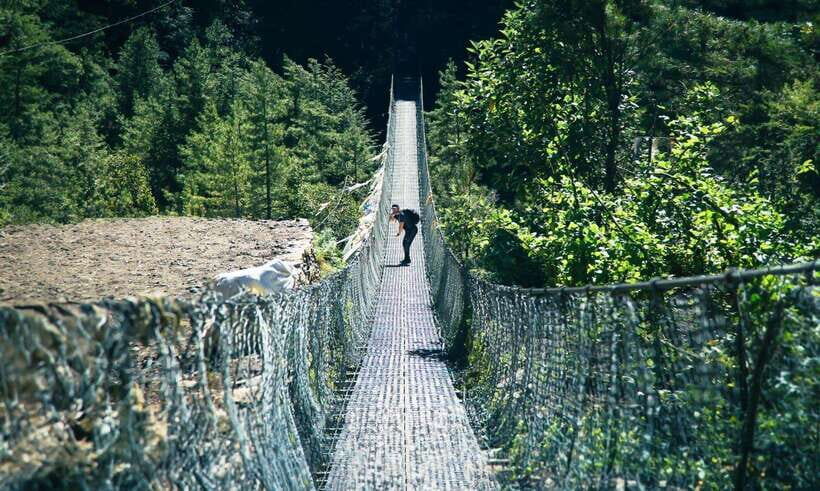
One more reality check: “Challenge” here isn’t only distance. It’s also the repeated uphill effort at altitude. The terrain includes rocky trails and suspension bridges along the way, which means foot carefulness matters.
If you’re fit but not used to thin air, go slower than you think. The best treks feel calm. The ones that feel rushed tend to become exhausting fast.
Lodges, food, and the full board option
The package includes accommodation during the trek, and it includes food and drinks if you choose the full board option. That’s useful because Everest-area meals can add up quickly if you pay for everything separately.
At this elevation, food choice matters less than consistency and hydration. You want enough calories to keep moving, and you want fluids to keep your body working. If full board is available for your booking, it removes one more variable from the trip.
You should also expect lodging to be simple. This is a mountain trekking setup, not a hotel vacation. Still, having accommodation arranged reduces the chance you’ll end up searching for places to sleep in short-notice situations.
Sagarmatha National Park permit: why it’s worth being included
Your trek includes the Sagarmatha National Park permit. On the ground, that matters because the trekking area isn’t just scenery; it’s a protected zone with rules and visitor requirements.
I like that the permit is handled for you. It’s one less line to manage while you’re already focused on packing, altitude, and getting acclimatized. It also keeps the focus on the main event: walking, resting, and seeing the Everest region up close.
Who this Everest Base Camp trek suits best
This tour is a strong fit if you want:
- A classic Everest route with intentional acclimatization days
- A guided experience with English support
- A small-group pace that’s easier to manage than giant groups
- A trek structure that leads you to Base Camp and then to Kala Patthar
It may not be the best match if you:
- Want a very fast, minimal-time hike
- Struggle with cold mornings or long days on your feet
- Prefer a completely independent experience without a guide and organized logistics
If you’re traveling solo, it’s often a comforting setup because you’re not left to problem-solve every step, especially as altitude rises. And if you speak less English, the guide support can still make daily life on the trail less stressful.
Should you book this Everest Base Camp trek from Kathmandu?
I’d book it if you want a well-structured Everest Base Camp trek where the key altitude moments are built into the schedule: Namche acclimatization, Dingboche rest, and the high-view finish at Kala Patthar. The value is strongest when you select the full board option (if available) and the Lukla flight option, because that reduces extra decisions and extra costs.
I’d think twice if you know you’re prone to altitude issues or you can’t handle cold, slow mornings and long days. In that case, consider a more gradual plan or ask the organizer what adjustments can be made to protect your comfort and safety.
If your dream is to stand at Everest Base Camp and then chase the sunrise views from Kala Patthar, this route is built for that payoff—with guide support, permit coverage, and a pace designed to help you get there.
FAQ
How long is the Everest Base Camp trek?
The duration is 12 days.
What route does the trek follow from Kathmandu?
You travel from Kathmandu to Lukla by domestic flight (if selected) and then trek through places including Phakding, Namche Bazaar, Tengboche, Dingboche, Lobuche, Gorakshep, Everest Base Camp, Kala Patthar, Pheriche, and back through Namche to Lukla, then fly back to Kathmandu.
How high does the trek go?
The plan includes reaching Everest Base Camp at about 5,364m and hiking to Kala Patthar at about 5,545m.
Is an English guide included?
Yes, the tour includes a live English-speaking guide.
Are meals and drinks included?
Accommodation is included, and food and drinks are included if you choose the full board option.
Is the Sagarmatha National Park permit included?
Yes, the Sagarmatha National Park permit is included.
Are flights between Kathmandu and Lukla included?
Roundtrip domestic flights from Kathmandu to Lukla are included if you select that option.
What is not included in the price?
Nepal visa fee and travel insurance are not included.
What about cancellation and payment flexibility?
You can cancel up to 24 hours in advance for a full refund, and there is a reserve now and pay later option available.