REVIEW · UNESCO WORLD HERITAGE TOURS
Three Durbar Square Private Day Tour in Kathmandu
Book on Viator →Operated by Shepherd Holidays · Bookable on Viator
Three Durbar Squares, one focused Kathmandu day. This private tour strings together Kathmandu, Patan, and Bhaktapur’s UNESCO-listed royal squares, with the kind of pacing that helps you notice details instead of speed-walking. I love the chance to get specific about Kumari Ghar and I also like that the day leaves room for photos and a relaxed break. One caution: entry fees are not included, so budget about $21 per person (and fees can vary by nationality).
You’ll be picked up and dropped back at Shepherd Holidays on Yapikhya Marg, riding in a private vehicle with a certified guide and 1 liter of bottled water per person. Expect about 6 hours total, and it’s set up as a true private experience, so it’s only your group. One more thing I appreciate: it’s easy to fit into a Kathmandu stay because the stops are close enough to connect in a single day.
In This Review
- Key Things You’ll Notice on This Three-Square Day
- Durbar Squares in One Private Block: How the Day Actually Works
- Kathmandu Durbar Square and the Kumari Ghar: Palace Walls That Still Matter
- Patan Durbar Square: Newar Craft, Patan Museum, and a Different Vibe
- Bhaktapur Durbar Square: Nyatapola Temple and the 55-Window Palace
- Price and Logistics: Paying for Ease, Then Budgeting Entry Fees
- Pick Up at Yapikhya Marg: A Small Detail That Saves You Stress
- Getting the Most From a 6-Hour Durbar Day
- Who This Tour Is Best For
- Should You Book the Three Durbar Squares Private Day Tour?
- FAQ
- FAQ
- How long is the Three Durbar Square private day tour?
- Where does the tour start and end?
- Is this tour private?
- What’s included in the price?
- Are entry fees included?
- Which sites are included in the tour?
- Is there a mobile ticket?
- Does the tour provide drinks?
- Can I cancel for a full refund?
- Is pickup offered by the operator?
Key Things You’ll Notice on This Three-Square Day
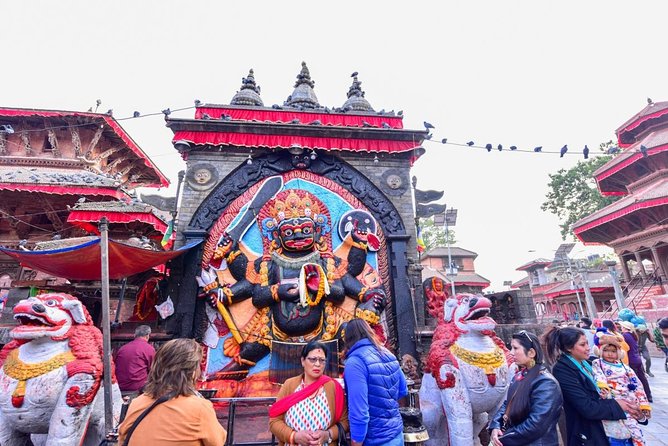
- Kumari Ghar in Kathmandu: you’re not just looking at a courtyard; you’re learning what the space represents.
- Patan’s Newar architecture: the carvings, layouts, and cultural vibe make this feel different from Kathmandu.
- Patan Durbar Square + Patan Museum pairing: art and context reinforce each other.
- Bhaktapur’s Nyatapola Temple: a standout stop built for drama and devotion.
- Bhaktapur’s 55-Window Palace: you’ll get the why behind the landmark shape.
- Private pickup and drop-off: less hassle, more time spent where it counts.
Durbar Squares in One Private Block: How the Day Actually Works
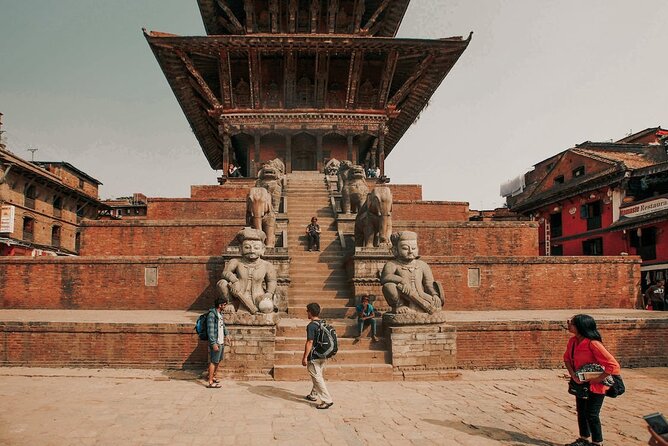
This tour is built for people who want the Kathmandu Valley story in a single morning-to-late-afternoon loop. You’re not bouncing between random sights. Instead, you hit three Durbar Squares—each one tied to a different city character—so you can compare how power, faith, and art were expressed in stone and wood.
The structure is simple: you start at Kathmandu Durbar Square for about an hour, then move to Patan for around two hours, and finish in Bhaktapur for about two hours. That timing matters. It’s long enough to take photos and ask questions, but not so long that you’re mentally checked out by the second site.
The private format also helps your experience feel smoother. You’ll have pickup and drop-off by private vehicle, plus a guide who can adjust the pace. In practice, that means you’re less likely to feel herded, and more likely to slow down where you’re curious—whether that’s architecture, religious buildings, or the everyday life around the squares.
Value-wise, the price (about $65 per person) feels more like “you’re buying a guided, chauffeured day” than “you’re paying for tickets.” The big add-on is entry fees, which are extra. Once you accept that, the rest of the package makes sense: guide time, driver time, bottled water, and the basic operating costs are included.
You can also read our reviews of more private tours in Kathmandu
Kathmandu Durbar Square and the Kumari Ghar: Palace Walls That Still Matter
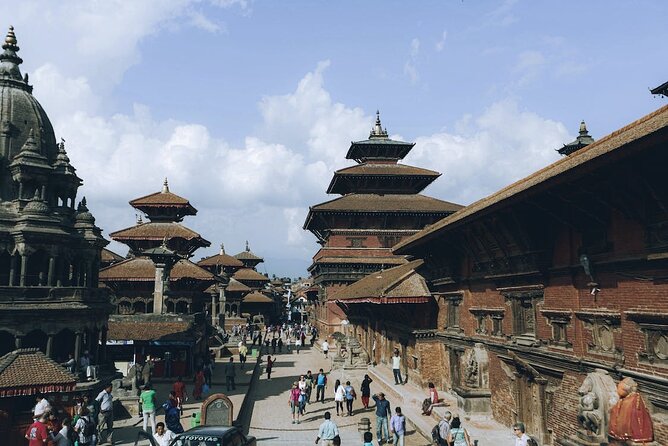
Kathmandu Durbar Square is the kind of place where it helps to have a guide who knows how to read what you’re seeing. This square is a historic palace complex and it’s UNESCO-listed. It functioned as a royal palace for the Malla kings, and later the Shah era took over the story. You’re walking in a space that changed hands across dynasties, so details can look familiar and still mean something different.
The highlight here is Kumari Ghar—a specific focal point that anchors the cultural meaning of the square. Even if you don’t know the background before you arrive, a good guide can connect the physical setting to what people associate with it today. That’s one reason this stop works so well as a first chapter. You get grounded early, then the other squares make more sense when you compare patterns and styles.
What I’d watch for as you move through Kathmandu Durbar Square is how the architecture tells you what mattered to the people who built it. Look at the layout of spaces, the way courtyards connect, and how palace elements sit alongside religious ones. It’s the mix that makes the square feel alive rather than like a museum display.
The practical consideration: you’ll be inside an active heritage site. Entry isn’t included, and the square is also the kind of place where you may share space with other visitors. Plan on taking your time with photos but keep moving between key areas so you don’t lose the thread of the story.
Patan Durbar Square: Newar Craft, Patan Museum, and a Different Vibe
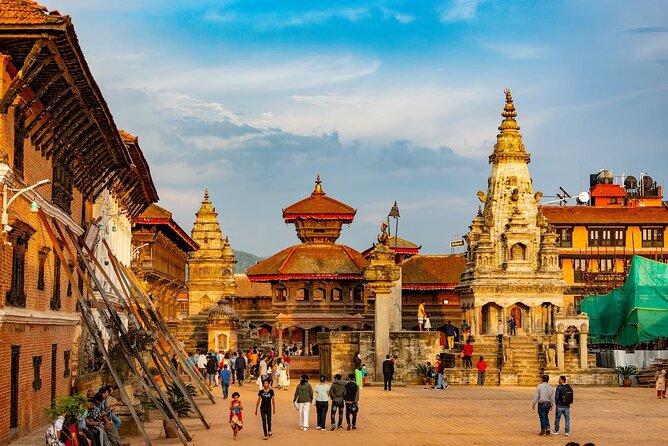
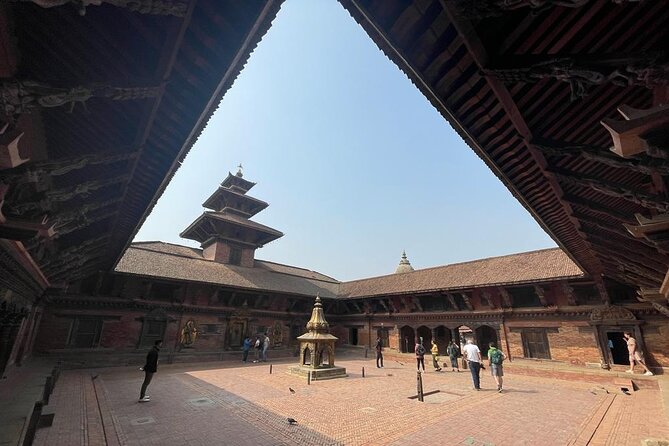
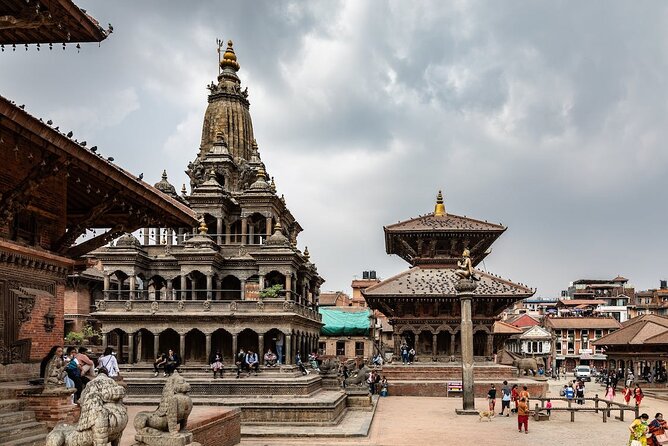
Patan is just a short drive from Kathmandu, and that small change of setting makes a big difference. Patan Durbar Square is another UNESCO-listed site, and it’s especially strong for Newar architecture. If Kathmandu feels more like an overview of power and transitions, Patan often feels like a place where artistry is front and center—carving, structural details, and the way craftspeople’s influence shows up in the built environment.
A big plus is the pairing with the Patan Museum. The museum element adds context, so you’re not only seeing buildings—you’re also getting a sense of what objects, traditions, and artistic styles connect to the squares outside. For you, this can turn a “photo stop” into a meaning-based stop. You’ll likely come away remembering not just what the architecture looks like, but what it represents.
Time matters here too. You’ll have about two hours in Patan Durbar Square, which is a comfortable window. It gives you enough stretch to move at your pace: one loop for the main sights, plus extra time where details catch your eye.
One possible drawback to keep in mind: museums can slow down your momentum if you’re trying to see everything at breakneck speed. The good news is the tour is private, so you’re not forced into a fixed, group-only rhythm. If you want to spend longer absorbing the museum side, you can usually do that by adjusting how quickly you move through the square.
If you’ve got an interest in art and craft traditions, this stop is where you’ll likely feel the most “ah-ha” moments.
Bhaktapur Durbar Square: Nyatapola Temple and the 55-Window Palace
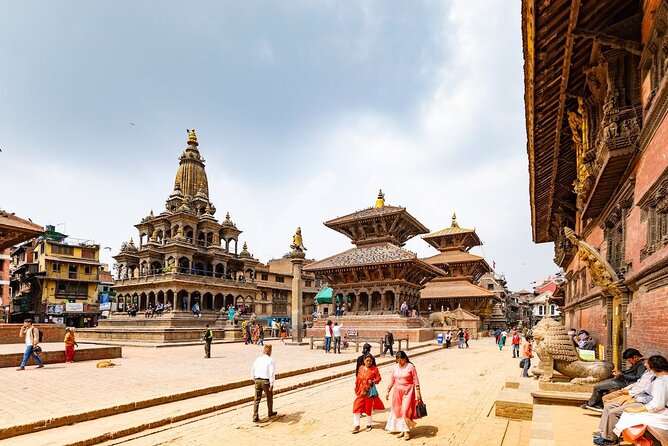
Bhaktapur is where the day starts to feel more medieval—big, dramatic, and full of visual language. The Bhaktapur Durbar Square UNESCO complex includes palaces, temples, and courtyards. This stop leans hard into the grandeur aspect, and it’s easy to see why people remember Bhaktapur differently from Kathmandu and Patan.
Two highlights do most of the heavy lifting here:
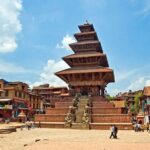
- Nyatapola Temple: a temple that visually dominates the area and signals how seriously devotion was built into the city’s design.
- 55-Window Palace: the famous palace feature that gives Bhaktapur its instantly recognizable look.
You’ll have about two hours here, which is a solid amount of time for a final stop. Bhaktapur can feel visually busy in the best way—lots of stonework, religious details, and nearby local life. A guide helps you sort what to prioritize, especially if your time is limited and you don’t want to miss the main landmarks.
The other benefit of ending in Bhaktapur is emotional pacing. By the time you reach the square, you’ve already learned what “Durbar Square” means as a concept in the Kathmandu Valley. So Bhaktapur stops feeling like a separate location and starts feeling like the concluding chapter where you can compare style and influence across cities.
A consideration: because you’re finishing the day in Bhaktapur, your energy level matters. Plan to take short photo pauses rather than big sit-down breaks. You’ll enjoy the day more if you avoid rushing through the final highlights just because you’re tired.
Price and Logistics: Paying for Ease, Then Budgeting Entry Fees
Let’s talk money in a way that helps you plan. The tour price is $65 per person, and it includes:
- pickup and drop-off by private vehicle
- a certified tour guide
- 1 liter of bottled water per person
- government taxes and office expenses
- salary of driver and guide
So the price mostly covers the people and the vehicle—not admission.
Entry fees are not included. The tour lists $21 per person for entry tickets, and it also notes that fees differ by nationality. That’s the key budget add-on. If you’re doing the math, you’ll likely want to treat entry tickets and personal spending as separate categories:
- Fixed cost: tour price
- Predictable add-on: entry fees (around $21 pp, nationalities can vary)
- Variable: lunch and personal shopping
The tour also offers group discounts and uses a mobile ticket. That doesn’t automatically make it cheaper than other options, but it does make it practical—especially if you’re coordinating with travel partners.
Timing is another part of value. This is an experience that people book about 11 days in advance on average. If your schedule is tight or you’re traveling during a busier period, it’s smart to lock it in earlier rather than hoping.

Pick Up at Yapikhya Marg: A Small Detail That Saves You Stress
Your day starts at Shepherd Holidays on Yapikhya Marg in Kathmandu, and it ends back at the meeting point. That back-to-start detail is underrated. In Kathmandu, getting “close enough” isn’t always good enough, because travel time can jump around depending on traffic and where you’re coming from.
Because pickup is included, you don’t have to coordinate taxis or figure out where to meet your guide once you’re already tired from the day before. You’ll start with a private vehicle and a guide ready to go, which keeps the first stop smooth.
The meeting point is also described as near public transportation, which is helpful if you’re building your own transit plan and want an easy fallback. Still, the real win here is that you’re not on your own for transport once the tour begins.
Getting the Most From a 6-Hour Durbar Day
I like this day format for one reason: it’s long enough to care, short enough to stay realistic. You’ll be moving through three UNESCO-listed areas, so you’ll want to manage attention the same way you would on a city walking tour.
Here are practical ways to make it click:
- Choose your top themes before you go. For example: palace power, temple art, or Newar design. When you have a theme, your photos come out better and your questions get sharper.
- Ask at the start of each square what you should notice. A guide can point you to details that you’d otherwise miss in 30 seconds.
- Use the photo time wisely. You’ll get chances to pause for images, and the private format means you don’t have to take photos at the exact speed of the group.
- Plan for an entry-fee gap. You’ll pay those separately, so bring your budget mindset accordingly.
One more detail: the tour provides bottled water. That’s helpful because it reduces one small thing you have to think about while you’re walking between courtyards and stopping for explanations.
Also, from past experience shared about guide styles, I’d expect a calm pace from well-run operators. In particular, guides such as Umesh have been praised for being relaxed and giving time to explore, while Rajan has been noted for being helpful and adjusting the day to requests. Even if you don’t know which guide you’ll get, it’s a sign the operator aims for a thoughtful experience, not a sprint.
Who This Tour Is Best For
This private three-squares tour works best if you’re:
- short on time in Kathmandu but want more than one UNESCO stop
- interested in palace complexes, temple design, and how city identity shows up in architecture
- traveling with a group that prefers private pacing over bus tours
- the kind of traveler who likes a guide’s context, especially for places where the meaning isn’t obvious at first glance
If you’re traveling completely independently and hate structured schedules, you might prefer doing the squares on your own with a guide-book and a flexible walking plan. But if you want fewer logistics headaches and more sense-making built in, this format is a strong fit.
Should You Book the Three Durbar Squares Private Day Tour?
You should book it if you want a tight, well-guided UNESCO loop that compares three major Durbar Squares in one day. The value is strongest when you appreciate what’s included: private pickup/drop-off, certified guide time, and bottled water. The main reason to hesitate is also simple: entry fees are extra, and they add a noticeable chunk once you include them for everyone in your group.
My decision rule is straightforward. If you want context and a relaxed pace, book it. If you only want the easiest photos and you’re okay skipping guided interpretation, you may find other options cheaper—but you’ll likely trade away some of the clarity that makes these squares hit harder.
FAQ
FAQ
How long is the Three Durbar Square private day tour?
It runs for about 6 hours total.
Where does the tour start and end?
It starts at Shepherd Holidays on Yapikhya Marg, Kathmandu, and ends back at the meeting point.
Is this tour private?
Yes. It’s private, so only your group participates.
What’s included in the price?
Pickup and drop-off by private vehicle, a certified tour guide, 1 liter of bottled water per person, government taxes and office expenses, and the salary of the driver and guide.
Are entry fees included?
No. Entry fees are not included, and the listed estimate is $21 per person. Fees can differ by nationality.
Which sites are included in the tour?
You visit Kathmandu Durbar Square, Patan Durbar Square, and Bhaktapur Durbar Square.
Is there a mobile ticket?
Yes, the tour includes a mobile ticket.
Does the tour provide drinks?
Yes. You get 1 liter of bottled water per person.
Can I cancel for a full refund?
Yes. Free cancellation is offered up to 24 hours in advance for a full refund.
Is pickup offered by the operator?
Yes, pickup and drop-off by private vehicle is included.