REVIEW · CHANDRAGIRI CABLE CAR TOURS
Kathmandu: Chandragiri cable car & Swayambhunath Tour
Book on GetYourGuide →Operated by Alpinist Club · Bookable on GetYourGuide
Kathmandu can be noisy fast, so I like days that start early and move you upward. This Kathmandu: Chandragiri cable car & Swayambhunath Tour strings together big views from the hills, a hilltop temple stop, and the climb up to Swayambhunath, where the “Monkey Temple” energy is the whole point. It’s a tight, well-paced private day built around scenery and atmosphere, not endless museum time.
What I like most is the mix of panoramic “from above” time plus the human, temple-stair chaos of Swayambhunath. I also like that you’re not doing this as a DIY puzzle because hotel pickup, a private vehicle, and a live English-speaking guide keep the logistics calm. One possible drawback: Swayambhunath involves stairs, so if mobility is a concern, you’ll want to ask how the route works for you before you go.
In This Review
- Key highlights you’ll actually feel during the day
- Chandragiri Cable Car: Why this lift is the smart first move
- What can trip you up
- Bhaleshwor Mahadev and the hilltop in plain daylight
- A realistic drawback: not every guide adds the same value
- Swayambhunath: The Monkey Temple climb and why it feels alive
- What you’ll notice quickly on arrival
- The main consideration for comfort and mobility
- The day’s rhythm: Timing that keeps you out of the worst crowds
- One small planning tip that helps a lot
- Price and value: Is $115 per person a good deal?
- Lunch and the best way to use that break
- Who this tour suits best (and who might want something else)
- Getting the most out of the guide (especially in a private group)
- So should you book this Kathmandu day trip?
- FAQ
- How long is the tour?
- What is included in the price?
- Are monument entrance fees included?
- What about meals?
- How does skip-the-line access work?
- What time does the tour start?
- Is this tour private?
- Is the tour cancellable if plans change?
- What language is the guide?
Key highlights you’ll actually feel during the day
- Chandragiri cable car ride that quickly swaps city streets for valley and mountain views
- Bhaleshwor Mahadev Temple at the hilltop, with time to slow down and look around
- Swayambhunath climb with monkeys along the way, plus views back over Kathmandu Valley
- Guided context in English, useful if you want more than “walk and look”
- Skip-the-line via a separate entrance, saving you from pointless queue time
- A private group so the day stays flexible and not crowded
Chandragiri Cable Car: Why this lift is the smart first move
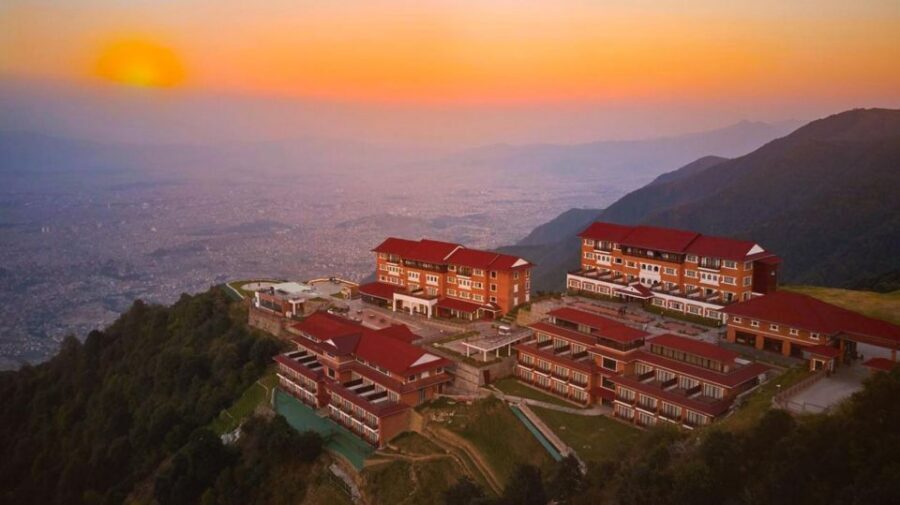
The day starts with a simple idea: get out of Kathmandu’s ground-level traffic rhythm and up into the open air quickly. The cable car ride takes about 15 minutes—short enough that you don’t feel trapped in transit, long enough to change your whole perspective.
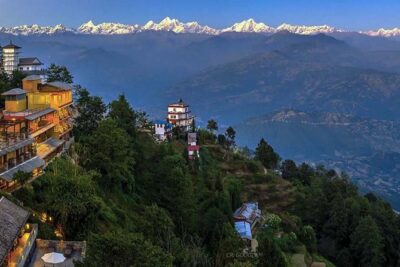
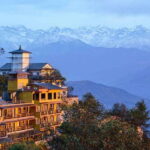
If you’re the kind of traveler who loves orientation—seeing how a city sits inside a bigger geography—this ride is built for you. The views are described as Kathmandu Valley plus Himalayas in the distance. Even when weather is less cooperative (and in mountain regions, that can happen), you’ll still get wide angles: rooftops spreading below, ridgelines framing the city, and a sense of scale you don’t get from street-level.
The biggest practical win here is pacing. You’re on a schedule that keeps the cable car and the hill exploration from turning into a half-day of waiting. And because the tour includes a separate entrance to skip the line, you lose less time to crowds at the departure point. That matters in Kathmandu, where “the line” can eat up your best daylight.
You can also read our reviews of more tours and experiences in Kathmandu.
What can trip you up
The cable car gets you up fast, but the total day includes later stairs at Swayambhunath (more on that soon). So if you’re thinking “this is a mostly easy day,” plan for walking and climbing at the second half of the trip.
Bhaleshwor Mahadev and the hilltop in plain daylight
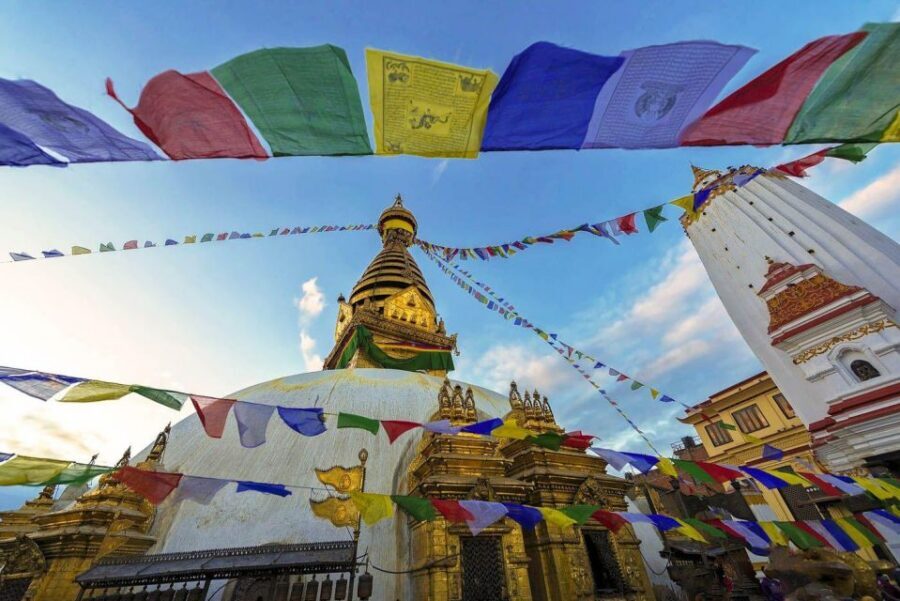
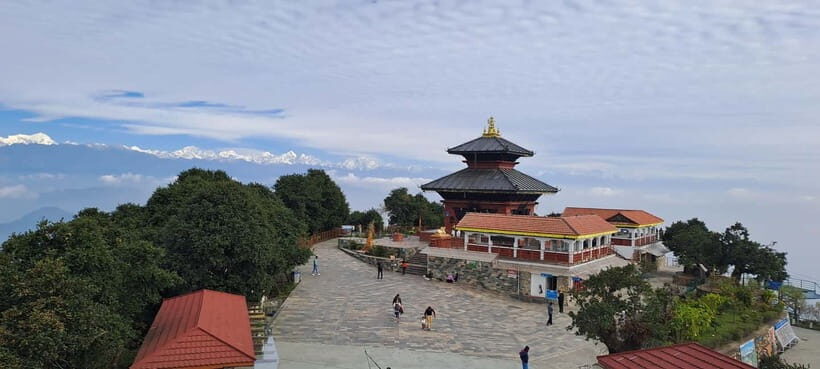
Once you reach Chandragiri Hills, you’re given about 3 hours for a guided experience and sightseeing. That’s long enough for more than a quick photo stop. The tour centers on the Bhaleshwor Mahadev Temple, located at the hilltop, and it also gives you time to roam at an unhurried pace.
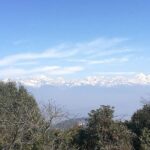
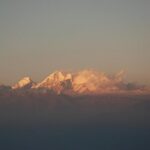
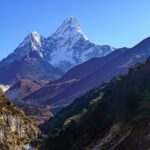
I like this part because it feels like a reset button. Kathmandu can be dense—sound, traffic, people. Up on the hill, the air and space make you look outward again. The view is called out specifically as including ranges like the Langtang Range and Ganesh Himal, plus more. Even if you can’t identify every peak (and most people can’t without clear skies and local help), your eyes still get something valuable: the logic of the mountains relative to the valley.
Your guide’s job here is more than pointing. A strong guide helps you translate what you’re seeing into something you can remember. One guide name that shows up in the experience feedback is Subash—described as friendly, fun, and attentive to keeping everything smooth and on time, with explanations about Kathmandu and Lalitpur. That kind of storytelling can turn a scenic walk into a “now I get it” moment.
A realistic drawback: not every guide adds the same value
Not every tour experience will have the same depth. In one case, the guide was described as friendly but unable to answer questions or provide details. If you care about context—temple meaning, city history, what you’re looking at—then it’s worth going in with questions ready, and paying attention to how your guide responds. If the answers are thin, you can still get plenty from the scenery, but you may wish you had more interpretation.
Swayambhunath: The Monkey Temple climb and why it feels alive
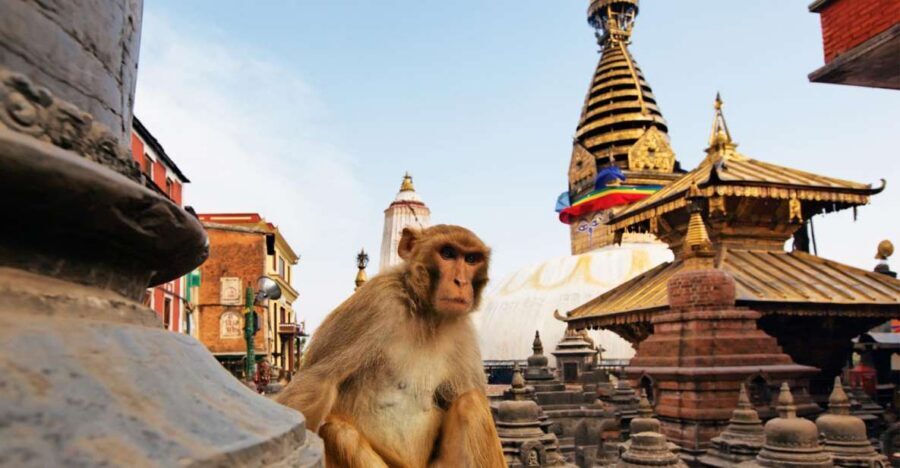
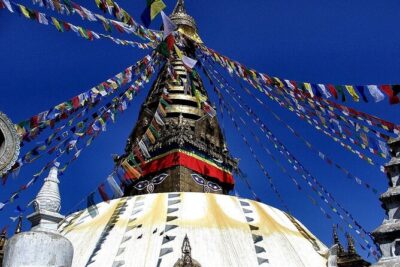
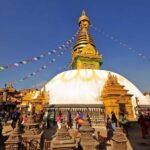
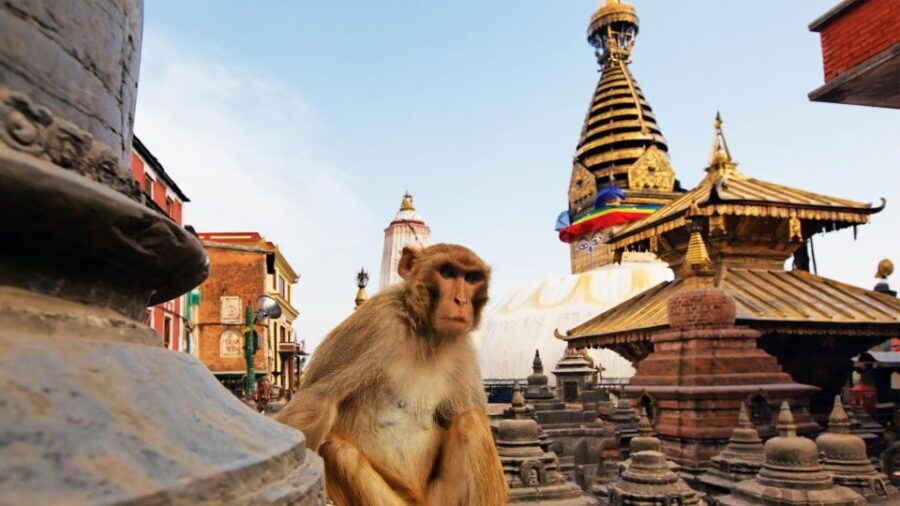
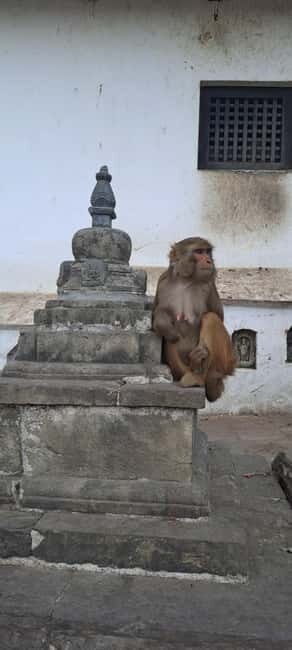
After lunch, you head to Swayambhunath (Monkey Temple). The time on site is about 2 hours, with sightseeing and the option of catching the mood near sunset. This isn’t a quiet, museum-style stop. It’s a temple complex that works like a magnet for movement—people climbing, monkeys wandering, prayer wheels and colorful flags giving everything a sense of constant motion.
The main “event” is the climb. You’ll walk stairs up to the stupa level, and the monkeys are part of what makes the place feel theatrical. The tour includes time to explore: the ancient stupa, surrounding shrines, and the small details like prayer wheels and temple elements you can pause at rather than just rushing through.
What you’ll notice quickly on arrival
First, the atmosphere. Even if you’ve read about it, the lived experience is louder and messier—in a good way—than you might expect. Second, the views. Swayambhunath is positioned for looking out over the Kathmandu Valley, and the vantage point is one reason the climb is worth it.
The main consideration for comfort and mobility
Because stairs are central to this stop, you should think about your own comfort level before booking. The tour is listed as wheelchair accessible, but that doesn’t automatically mean every part of the Swayambhunath route will be easy. If you need step-free options, ask in advance how the experience can be adapted on the ground.
The day’s rhythm: Timing that keeps you out of the worst crowds
This is a 7-hour private tour, and the schedule matters more than it looks on paper. You start around 8:00 AM with pickup, then reach the cable car station roughly 8:30–9:00 AM. That early timing is deliberate: fewer crowds, better lighting for views, and less stress with transport.
The hill portion runs about 9:30 AM–11:00 AM, then you descend by around 11:30–12:30. There’s a lunch window after that, and you’re set to depart for Swayambhunath around 1:30 PM. The temple visit is scheduled 2:00–4:00 PM, with time afterward to wander nearby streets and shops if you want.
You get back around 6:00 PM. For me, that’s a key value point: you’re not losing your entire day, and you still get daylight for views and enough evening time to have dinner on your own.
One small planning tip that helps a lot
Bring water and keep your energy steady. The tour includes bottled drinking water, which helps, but your comfort still depends on how you manage walking and sun exposure. Wear shoes you trust on uneven temple stairs.
Price and value: Is $115 per person a good deal?
At $115 per person, this isn’t a “cheap and chaotic” Kathmandu add-on. It’s priced like a comfort-first, logistics-controlled day: hotel pickup and drop-off, a private vehicle, and a live English guide.
Here’s how I judge value for a day structured like this:
- You’re paying for time savings. Skip-the-line entry and coordinated movement reduces dead time.
- You’re paying for interpretation. A great guide (like the guide Subash described as knowledgeable and fun, keeping things on time) can make the views and temples feel more meaningful than a quick self-guided walk.
- You’re paying for reduced friction. Private transport helps you avoid hunting for rides or figuring routes between hilltop and city temple.
Where value can dip is if you get a guide who can’t answer questions or doesn’t add context. In that situation, you still get two major sightseeing hits, but the “guide value” shrinks. If you’re someone who likes to understand what you’re seeing—temple significance, city layout, what to look for in the distance—you’ll feel the benefit more strongly.
Also note what’s not included: monument entrance fees and meals. That means your total spend will be a bit higher than the headline price.
Lunch and the best way to use that break
Lunch isn’t included, but the plan gives you a practical window: roughly 11:30 AM–12:30 PM after descending from Chandragiri. You’re taken to a nearby area for lunch at a local restaurant.
This is the right setup for you if you want to eat something straightforward without being rushed. You can choose Nepali options or go for another cuisine based on your appetite. Just remember: you have more stairs and a climb later, so don’t go too heavy on anything that slows you down.
If you want to make the break work harder, use lunch as a moment to plan your Swayambhunath approach. Think about how you’ll handle the monkeys and crowds—staying aware of personal items and keeping hands and pockets controlled. The tour description makes it clear that monkeys are active along the way.
Who this tour suits best (and who might want something else)
This private day makes the most sense if you want:
- A single-day hit of two Kathmandu “must feel” areas: hilltop panoramas and a lively temple complex
- Guided explanation in English rather than a purely self-guided schedule
- A calmer pace with hotel pickup and private transport
It also fits travelers who like photos, but not the cheesy, rushed kind. The viewpoints at Chandragiri and the stupa-and-valley angles at Swayambhunath give you built-in photo opportunities, and the schedule leaves time for casual walking—not just stop, click, and go.
If you want a fully relaxed day with minimal stairs, this may not be ideal because Swayambhunath involves climbing. If you’re traveling with mobility needs, bring questions to the provider about the route and possible adjustments.
Getting the most out of the guide (especially in a private group)
Because this is a private group with a live English-speaking guide, you can treat the guide like a shortcut to better understanding. Ask what you should look for from each vantage point, and don’t be shy about clarifying. The difference between a “friendly but light on answers” experience and a truly helpful one can be big.
If you’re lucky enough to have Subash, the feedback points to a guide who manages the day smoothly and keeps it on time, with explanations about Kathmandu and Lalitpur, plus lots of fun along the way. That doesn’t mean you’ll always get the same style, but it’s a good signal of the kind of guide you can aim for: engaged, organized, and willing to answer.
So should you book this Kathmandu day trip?
I’d book this tour if you want an efficient way to see more of Kathmandu in one day without worrying about transport or timing. The combo of the Chandragiri cable car and Swayambhunath Monkey Temple is a strong match for travelers who enjoy views, temples, and the human energy of a famous pilgrimage site.
You might think twice if you’re not comfortable with stair climbing or if you really need lots of interpretive depth from the guide. Still, even with those concerns, the day’s structure—early start, organized transfers, and time built into both locations—keeps it practical.
Bottom line: if your priority is scenery plus atmosphere in a single, well-run day, this is a solid choice.
FAQ
How long is the tour?
The duration is listed as 7 hours.
What is included in the price?
The tour includes hotel pickup and drop-off, a private vehicle, a tour guide, tours of Monkey Temple/Swayambhunath, and bottled drinking water.
Are monument entrance fees included?
No. Monument entrance fee(s) are not included.
What about meals?
Meals are not included. Lunch is planned around the midday window, but you’ll pay for it separately.
How does skip-the-line access work?
The tour is described as skipping the line through a separate entrance.
What time does the tour start?
Pickup starts at around 8:00 AM, and the cable car station is reached around 8:30–9:00 AM.
Is this tour private?
Yes. It’s a private group.
Is the tour cancellable if plans change?
Free cancellation is offered up to 24 hours in advance for a full refund.
What language is the guide?
The guide is listed as providing an English tour.