REVIEW · 3-DAY EXPERIENCES
3 Days Bhutan Cultural Tour
Book on GetYourGuide →Operated by Alpine Club of Himalaya · Bookable on GetYourGuide
Bhutan feels close, even in three days. This short trip is built around the big moments: a spectacular Druk Air flight into Paro and a Tiger’s Nest hike with jaw-dropping cliff views. One thing to plan for: the walk up is steep and you’ll want solid hiking shoes.
I also like how the Thimphu day mixes real culture (textiles, paper-making, and the post office stamps) with top landmarks, instead of only checking boxes. A possible drawback is pacing: you’ll do a lot of driving and a lot of walking in a compact schedule, so it’s not the best fit if you want lots of downtime.
In This Review
- Key highlights worth your attention
- A three-day Bhutan plan that starts with the right kind of wow
- Druk Air into Paro: why that one-hour flight sets the tone
- Thimphu in a day: textiles, paper, and stamp-nerd joy
- Taktsang (Tiger’s Nest) morning: what you’ll do, what you’ll see
- Kyichu Lhakhang: finishing the spiritual loop
- Paro departure day: the calm ending you want
- Price and value: what you’re really paying for at $1,649
- The guide and the “paperwork safety net” factor
- What to pack and what to avoid (so Day 2 doesn’t hurt)
- Who this Bhutan tour suits best
- Should you book this 3-day Bhutan Cultural Tour?
- FAQ
- FAQ
- What cities and areas does the tour cover?
- How do you travel from Kathmandu to Bhutan?
- How long is the hike to Tiger’s Nest?
- Can I enter the Tiger’s Nest Monastery?
- What temples are visited during the trip?
- Are meals included?
- Is the Bhutan visa included?
- What should I bring, and what is not allowed?
Key highlights worth your attention
- Druk Air’s Paro arrival: a short flight, then a dramatic descent through Himalayan valleys
- Thimphu’s hands-on culture stops: Textile Museum, traditional paper making, and Bhutan’s stamp stories
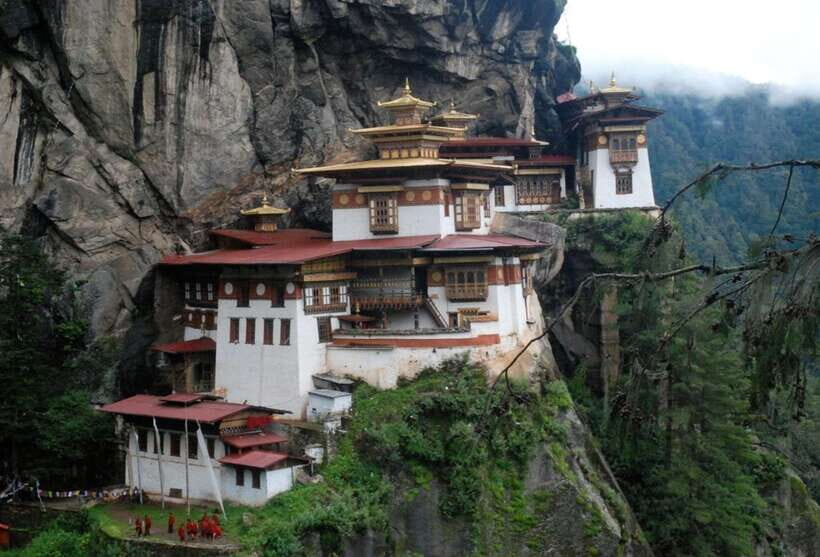
- Taktsang morning with a legend: Satsam Chorten first, then a steep hike to the Tiger’s Nest viewpoint
- Taktsang isn’t inside-access: you’ll see the monastery from afar; it is not open to the public
- Kyichu Lhakhang: one of Bhutan’s oldest, sacred temples after your lunch in Thimphu/Paro area
- Private English-speaking guide support: guides like Tashi are singled out for careful attention to your needs
A three-day Bhutan plan that starts with the right kind of wow
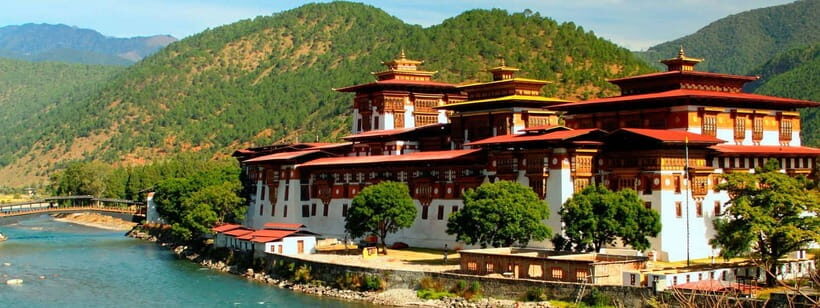
If you’ve ever wondered whether Bhutan is really as peaceful as people say, this tour gives you a clear taste without dragging it out for a week. You land in Paro, trade the airplane world for valley roads, then spend two full days on Bhutan’s spiritual and cultural heartbeat.
What I like about the structure is that it puts the most famous sight—Taktsang—on Day 2 morning, when you’re freshest. That means you get the walk done before the day gets busy, and you can still enjoy the temple afternoon stop without feeling rushed in the dark.
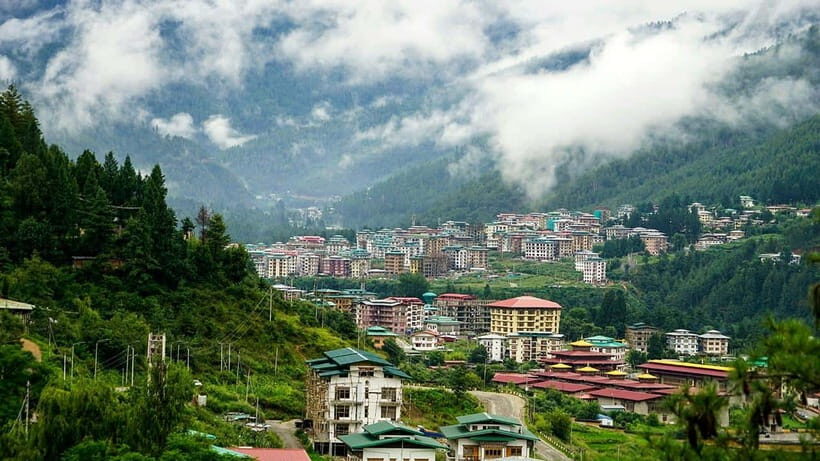
You’re also moving between two different vibes. Thimphu feels like the country’s calm, modern center. Paro feels like the gateway, with more of that postcard-mountain air hanging around outside your window.
You can also read our reviews of more historical tours in Kathmandu
Druk Air into Paro: why that one-hour flight sets the tone
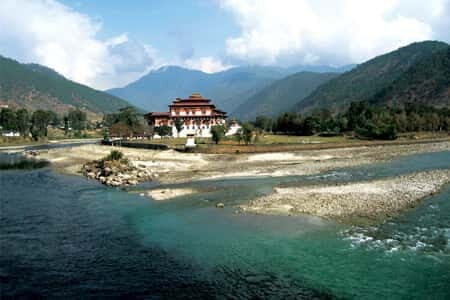
This itinerary uses a 1-hour Druk Air flight from Kathmandu to Paro, followed by customs and visa control, then a drive onward. Even if you’ve flown in mountains before, the big deal here is the dramatic approach into the Bhutan valley.
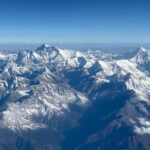
That descent matters more than you might expect. It’s the moment your brain switches from planning to noticing. The route into Paro is famous for giving you broad Himalayan views from the air, and it becomes your first real “Bhutan is different” moment before you even reach town.
Once you land, you’re not left to untangle logistics. You get a Bhutanese guide after arrival, and then you’re transferred by private vehicle. On Day 1, that drive is about 54 km (around 2 hours) to reach Thimphu, so you’re not stuck in a long, slow slog.
Practical tip: sit where you’ll have the best view for your flight (ask your guide/agent which side typically offers better scenery) and keep your camera handy for the approach.
Thimphu in a day: textiles, paper, and stamp-nerd joy
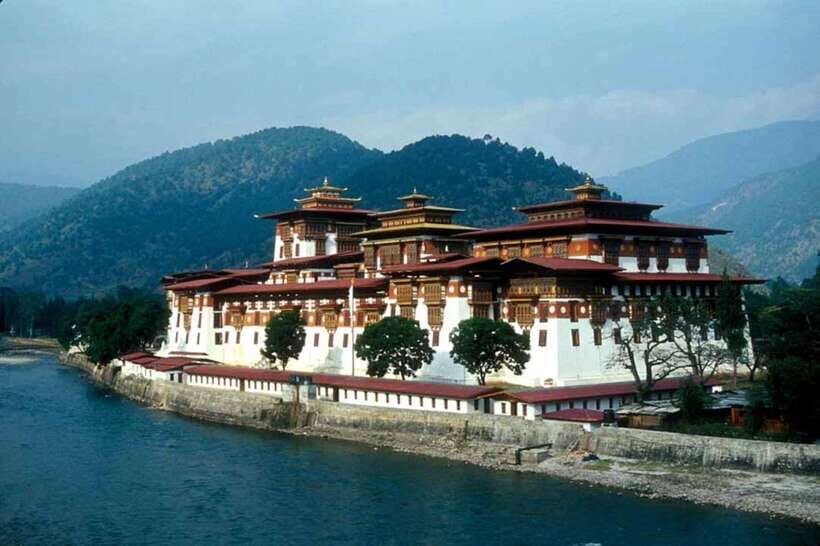
Most “capital city” days can become a blur of monuments. This one slows down and lets you watch craft, not just look at buildings.
On Day 1, after lunch at a local restaurant, you start sightseeing in Thimphu. Three stops are the core of the cultural flavor:
- Textile Museum: You get a deeper look at Bhutan’s textile traditions rather than just seeing colorful fabrics in passing.
- Traditional paper making factory: This is the kind of place where you can actually imagine the materials behind the culture. It also breaks up the day visually.
- Post office: Bhutan’s stamps are more than decoration. They depict myths, traditions, and country themes—so you can use the stamps like mini story prompts.
You’ll likely also have an option to keep it lighter: your guide can steer you toward less formal town walking if that suits your pace better. That flexibility is useful if you’re tired from travel or if you prefer street-level Bhutan over museum-time.
How I’d think about the Thimphu day: it’s not just a checklist. It’s a way to understand what Bhutan values—craft, faith, and storytelling—before you go chase the big cliff monastery next morning.
Even the timing helps. Day 1 ends with a welcome dinner and an overnight stay in Thimphu at an A grade 3-star hotel. That’s a comfortable reset before Taktsang.
Taktsang (Tiger’s Nest) morning: what you’ll do, what you’ll see
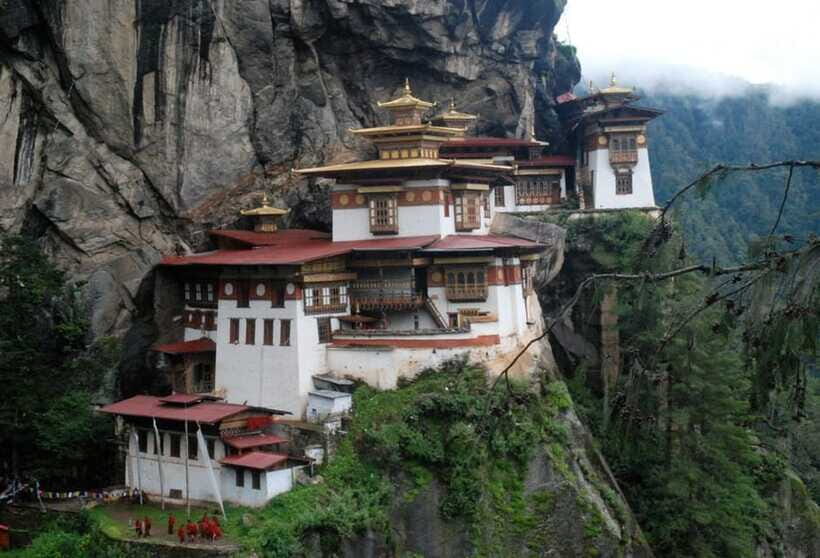
Day 2 is the star day. You start with a drive to Satsam Chorten, then you hike to Taktsang (Tiger’s Nest) Monastery.
The tour information includes the legend, and it’s worth taking a minute to absorb it before you start climbing. Guru Rimpoche—also known as Guru Padmasambhava—is said to have meditated at the site for three months, after arriving by the back of a tigress from Tibet. Whether you treat it as faith history or story-myth, it frames why the place feels so powerful.
Then you walk. The climb is about 1.5 hours up a wide mountain path, and it’s described as steep. Translation: pace yourself. Take a breath when you need it and don’t sprint just to keep up with the group.
Here’s the key point: Taktsang can only be viewed from afar. The monastery itself is not open to the public. That sounds like a disappointment if you’re expecting inside access, but it changes the experience in a good way—you’re visiting the viewpoint, the setting, the sheer cliffside presence. You’ll feel that distance as reverence, not obstruction.
A detail that adds context: Taktsang was rebuilt after a disastrous fire in April 1998. So while you’re staring at this ancient-seeming perch, you’re also looking at the resilience that brought it back.
When you finish the hike and lunch is waiting, it’s a clean handoff from exertion to reflection. You then move on to your next sacred stop.
Kyichu Lhakhang: finishing the spiritual loop
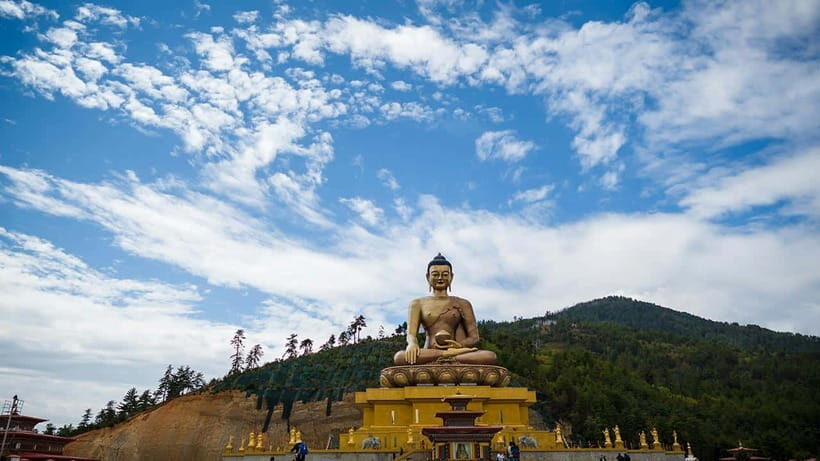
After lunch on Day 2, you visit Kyichu Lhakhang, described as one of Bhutan’s oldest and most sacred temples.
I like putting Kyichu after Taktsang instead of the other way around. Taktsang is dramatic—cliff, height, legend, steep walking. Kyichu feels more grounded and timeless. It gives your day a second flavor of spirituality without repeating the same kind of scenery.
From a reader’s point of view, this stop helps balance the schedule:
- If Taktsang is the workout and the spectacle,
- Kyichu becomes the slower, quieter spiritual checkpoint.
Even if temples aren’t your main focus, Kyichu is the kind of site where you’ll likely notice Bhutan’s approach to sacred spaces: respect, symbolism, and calm surroundings rather than crowds and chaos.
That Day 2 ends with an overnight stay back at your hotel, followed by your Day 3 departure from Paro.
You can also read our reviews of more tours and experiences in Kathmandu
Paro departure day: the calm ending you want
Day 3 is straightforward. After breakfast, a Bhutanese agent escorts you and bids you farewell at Paro Airport for the return flight to Kathmandu.
This is one of those days that’s easy to underestimate. Having a tidy ending matters because it lets you avoid last-minute scramble. You’re not trying to squeeze in extra sightseeing while also fighting checkout times, traffic, or transport uncertainty.
The itinerary keeps the final day light: just breakfast, then departure support. That’s a good match after two days of driving and one steep hike.
Price and value: what you’re really paying for at $1,649
At $1,649 per person for three days, you might think you’re paying mostly for sightseeing. In reality, a big chunk of the value comes from what’s included that usually becomes a headache on short, international trips.
This package includes:
- Round-trip airfare between Kathmandu and Paro (Druk Air)
- Airport transfers and private transportation based on the itinerary
- A grade 3-star hotel in Bhutan
- All meals: breakfast, lunch, and dinner
- Government taxes, permits, and sightseeing entrance fees
- Bhutan visa fee
- An English-speaking tour guide
What’s not included matters too:
- Airport departure tax
- Bar bills and laundry
- Travel insurance, including evacuation
- Nepal visa
So the money isn’t only covering the hotels and the guide. It’s also covering the friction: the permits, the entrance fees, the visa fee, and the transport coordination. For a three-day itinerary, that kind of planning support is worth a lot.
One more value note: the group is private, which usually means you get more flexibility in pacing and questions. You’re not stuck in a one-size-fits-all group script.
The guide and the “paperwork safety net” factor
A trip can have great sights and still feel stressful if the handoffs are messy. This experience is designed to avoid that.
Your guide is English-speaking, and in documented experiences a guide named Tashi has been praised for taking very good care of participants. That matters because you’ll likely want help understanding what you’re seeing, why rules exist at certain sites, and how to manage timing on the hike.
The local agent also plays a behind-the-scenes role. In at least one instance, the Alpine Club of Himalaya agent called repeatedly before arrival in Nepal, then helped with papers and visa sorting—right at the hotel—so you’re not piecing it together while jet-lagged.
If you’re the type who likes to travel with your brain fully switched on (not stuck in paperwork mode), this support can be a big part of why the tour works.
What to pack and what to avoid (so Day 2 doesn’t hurt)
This is a “bring the right gear” type of trip, because one day is built around a hike.
Bring:
- Passport
- Hiking shoes
Don’t bring:
- Pets
- Oversize luggage
And remember the one mandatory admin point: you must have your visa prior to arrival in Paro.
From an everyday comfort standpoint: hiking shoes are non-negotiable. The Tiger’s Nest hike is steep, and you’ll walk about 1.5 hours on a mountain path. If you wear something that’s fine for a city sidewalk, you’ll feel it.
Who this Bhutan tour suits best
This tour is a good match if you want:
- A short, high-impact Bhutan introduction
- The big spiritual highlight of Taktsang, plus Kyichu Lhakhang
- A Thimphu day that includes culture like textiles and paper making
- The comfort of all meals included and private vehicle transfers
It may not be ideal if:
- You want long, slow days with minimal walking
- You dislike steep uphill climbs (Taktsang morning is a clear workout component)
- You’re looking for plenty of free time to wander without guidance
If you’re traveling as a couple or solo and want a private group with an English guide, this format tends to work well. It’s structured, but you’re still guided through choices like whether to do more formal museum time or lighter town walking in Thimphu.
Should you book this 3-day Bhutan Cultural Tour?
I’d say book it if you want Bhutan in a compact format that doesn’t feel cheap or careless. The package covers airfare, hotels, meals, permits, entrance fees, visa fee, and guide time, so you spend your energy on the hike and the temples—not on assembling the trip yourself.
I’d hold off if you’re very sensitive to steep walking or if you prefer a slower pace with more empty hours. This itinerary is built for momentum: Paro arrival, Thimphu culture, Taktsang morning, Kyichu Lhakhang, then a clean departure.
If you do book, plan around the hike. Wear your hiking shoes, take the climb at a steady pace, and treat the Taktsang viewpoint as the main event, not a place where you rush to see everything inside.
FAQ
FAQ
What cities and areas does the tour cover?
You’ll spend time in Paro District and the capital city Thimphu, including a scenic visit around both areas.
How do you travel from Kathmandu to Bhutan?
You fly from Kathmandu to Paro on Druk Air (about 1 hour), then travel by private vehicle to Thimphu.
How long is the hike to Tiger’s Nest?
The hike to Taktsang (Tiger’s Nest) is about 1.5 hours up a wide mountain path.
Can I enter the Tiger’s Nest Monastery?
No. The itinerary notes that Taktsang can only be viewed from afar and it is not open to the public.
What temples are visited during the trip?
You’ll visit Taktsang (Tiger’s Nest) and Kyichu Lhakhang, which is described as one of Bhutan’s oldest and most sacred temples.
Are meals included?
Yes. The tour includes breakfast, lunch, and dinner during the stay in Bhutan.
Is the Bhutan visa included?
The tour includes the Bhutan visa fee, but you must have your visa prior to arrival in Paro.
What should I bring, and what is not allowed?
Bring your passport and hiking shoes. Pets and oversize luggage are not allowed.