This route stacks Nepal’s highlights in one tidy loop. The big win here is hotel pickup plus a friendly, professional guide who helps you move through everything without turning your day into a puzzle. You also get a clear mix of major sights and standout experiences, from UNESCO squares to Chitwan wildlife time.
I really like the pacing that works for different ages. You’re not just doing monuments; you’re also doing views (like the Sarangkot sunrise) and real-life Nepal moments in places such as Chitwan and a Tharu village evening.
One possible drawback: some of the best scenery depends on weather. If haze rolls in, the mountains won’t look as crisp, and you’ll still have to show up early for sunrise.
In This Review
- Key things that make this tour worth your time
- Getting Your Bearings Quickly in Kathmandu
- Patan Durbar Square and Swayambhunath Monkey Temple on Day 2
- The Scenic Drive to Pokhara: rivers, mountains, and a long day
- Sarangkot Sunrise and the Naudanda Hill Hike
- Devi’s Fall, Phewa Lake, and the World Peace Stupa
- Chitwan National Park: jungle lodge life, Tharu culture, and elephants
- Heading back to Kathmandu: bird watching and a calmer pace
- Bhaktapur Durbar Square: carvings, stories, and a full day of detail
- Price and logistics: what $990 buys you (and what it doesn’t)
- Who should book this Best of Nepal route
- Should you book Best of Nepal?
- FAQ
- How long is the Best of Nepal tour?
- Where does the tour start and what cities does it cover?
- What’s included in the price?
- Are hotel pickup and drop-off provided?
- Is the tour family friendly?
- What about group size?
- What tickets are included for specific sights?
- What isn’t included?
- What’s the cancellation policy?
- Are there any physical demands?
Key things that make this tour worth your time
- Hotel pickup and drop-off so you spend less time arranging transport on your own
- UNESCO World Heritage sites including Patan Durbar Square and Bhaktapur Durbar Square
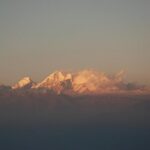
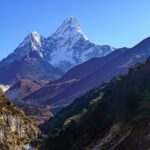
- Sarangkot sunrise with close-up views of Annapurna, Fishtail, and more (weather permitting)
- Chitwan wildlife + Tharu culture including jungle walking, elephant moments, and stick dancing
- Meals included (7 breakfasts, 3 lunches, 2 dinners) to reduce daily budget stress
Getting Your Bearings Quickly in Kathmandu
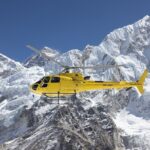
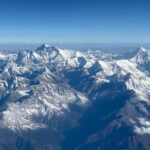
Kathmandu is a fast lesson in how Nepal really lives: temples, alleys, traffic, and people all sharing the same space. On Day 1, the plan keeps things simple. You start with Kathmandu and let the city settle into your senses, especially if you arrive on a clear day and get that first sweep of snow-capped peaks from above.
This kind of “warm start” matters more than you’d think. If you’re only in Kathmandu for a quick stop, you often miss the feeling of orientation. Here, you get a whole trip to absorb how the city connects to the rest of the country.
Also, because pickup is included, you’re not hunting down meeting points with a dead phone battery and a map app that’s confused by everything. That’s a small thing, but it’s the difference between vacation and stress.
You can also read our reviews of more tours and experiences in Kathmandu.
Patan Durbar Square and Swayambhunath Monkey Temple on Day 2
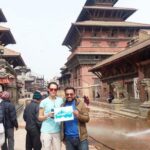
Day 2 is where Kathmandu Valley history turns real. Patan Durbar Square is one of the three Durbar Squares in the valley and sits in Lalitpur, a place you’ll hear described as quieter and more local than Kathmandu proper. The time block here is long enough (about 3 hours) to slow down and actually notice details—carvings, temple forms, and the way the square works as a living museum.
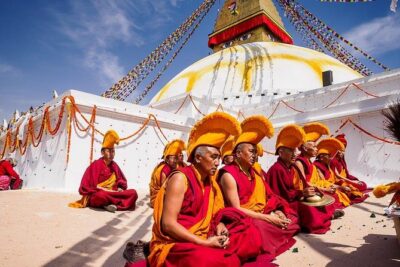
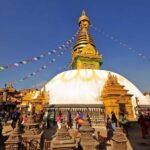
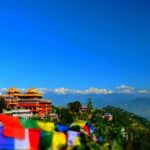
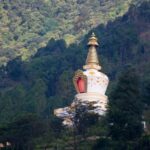
Then you move to Swayambhunath, the Monkey Temple. The temple is described as the largest and holiest Tibetan Buddhist temple outside Tibet. That blend of cultures is one reason this stop feels special: you don’t just see Nepalese architecture, you see Nepal as a crossroads.
Practical tip: bring a little patience for crowds and camera interruptions. This isn’t a private viewing. If you want photos, plan on taking a few short attempts instead of waiting forever in one exact spot.
The Scenic Drive to Pokhara: rivers, mountains, and a long day
On Day 3, you leave Kathmandu and head to Pokhara by road. The drive takes about 7 hours and follows the Trisuli and Marsyangdi River corridors. That matters because the scenery changes from valley bustle to river scenery. You’ll also get viewpoint moments along the way, including glimpses like Ganesh Himal and Manaslu peak as you approach Pokhara (again, weather plays a role).
This is also the day where you’ll notice how Nepal distances feel different. You’re not “just driving.” You’re traveling through mountain foothills, river bends, and shifting villages. If you’re prone to motion sickness, you’ll want to plan for it—this is a long road segment.
When you arrive in Pokhara, the plan keeps things lighter than Kathmandu days. Breakfast is included, and then you roll into the next chapter without having to squeeze in extra activities before dinner.
Sarangkot Sunrise and the Naudanda Hill Hike
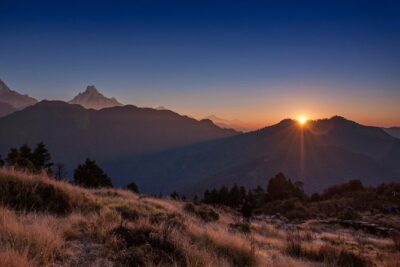
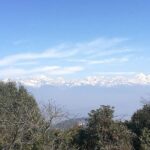
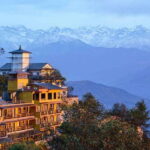
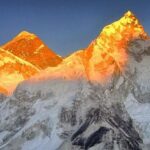
Day 4 is built around altitude and sunrise—meaning it can be spectacular, or it can be a little muted, depending on the sky. You’ll start early and drive to Sarangkot, famous for sunrise views over the Himalaya. The sights listed here include Annapurna, Fishtail, and others. Even when you don’t get perfect clarity, the experience of watching the light shift over peaks is usually worth the early start.
After sunrise, you head to Naudanda and hike for about 3 hours on a mostly level path, then drive back to Pokhara (roughly 4 hours). This is one of the better parts of the itinerary if you like “legs moving” without a full-on trekking commitment. You get a country-walk feel instead of only temple photos.
Real talk: sunrise days come with tiredness later. Pack water and keep your energy steady. If you’re traveling with kids or anyone who tires easily, this is still manageable, but plan on a slower pace after you’re back in Pokhara.
Devi’s Fall, Phewa Lake, and the World Peace Stupa
Day 5 turns Pokhara into a mix of nature and viewpoint religion. You start with breakfast, then take a boat ride across Phewa Lake. After that, you hike up to the World Peace Stupa, which is described as taking about an hour.
If you like viewpoints, this stop is usually the payoff. You’re higher up than most of the lake scene, so you’re looking out over both water and surrounding mountain forms. Even when weather isn’t perfect, the stupa viewpoint tends to feel calm and meaningful compared with city sightseeing.
Devi’s Fall itself is included on this day. This is one of those places that sticks in memory because it feels different from the more familiar temple stops. The way water shapes the area gives it a strange, dramatic feel.
Comfort note: bring shoes that handle uneven ground. You’re doing a hike, and Nepal trails can be slick even when the temperature feels mild.
Chitwan National Park: jungle lodge life, Tharu culture, and elephants
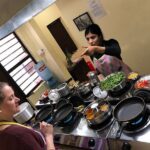
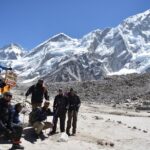
Day 6 is your jump into Nepal’s wildlife side. You travel from Pokhara to Chitwan National Park, check into the jungle lodge, and then shift into a Tharu village experience in the evening. It’s a good pairing: wildlife by day, local culture by night.
The experience described includes:
- Jungle walking
- A Tharu village tour
- Watching elephants bathing
- Visiting the elephant breeding center
- Evening Tharu cultural stick dance
On Day 7, you go further with more jungle time and the elephant-focused moments. This is the part of the itinerary where the “best of Nepal” idea feels justified. Chitwan isn’t a quick photo stop. It’s slow watching, quiet listening, and seeing animals and people in their own rhythm.
Important practical consideration: wildlife experiences can’t be guaranteed in the way a museum ticket can. You’re going to Chitwan because it’s wild, not because it’s controlled. What you can count on is the structure of the day—walks, lodge time, and cultural activities—so even when sightings vary, the day still has substance.
Also, if you’re traveling with kids, this is often a highlight. They get movement, animals, and a cultural performance that’s easy to follow.
Heading back to Kathmandu: bird watching and a calmer pace
On Day 8, you return to Kathmandu by road (about 6 hours) and the morning includes a bird watching tour. That’s a nice choice because it breaks the “temples and squares” pattern. If you like nature without a big physical commitment, birding is one of the most relaxed ways to experience Nepal.
When you arrive, you check into the hotel and keep the evening free. That free time is valuable here. Kathmandu nights can feel busy, and you’ll want time to slow down, get dinner at your own pace, and recharge.
If haze is affecting mountain views, this is where you might feel it most. Even so, Kathmandu’s streets and evening energy can still be rewarding.
Bhaktapur Durbar Square: carvings, stories, and a full day of detail
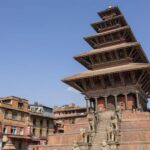
Day 9 is a day trip to Bhaktapur Durbar Square. It’s described as having immense and tragic historical features, and it’s also known for heritage that shows up in sculpture, stonework, and the overall layout of the square.
This is the day where I like to practice the “one more look” habit. Durbar squares reward patience. Don’t rush. Notice how different tiers of architecture create a frame for the city. If you like photography, this is where you’ll get your best architectural shots.
Practical tip: plan to walk. Even if you’re not doing major hikes, the grounds are active and you’ll be moving between viewpoints, stair edges, and courtyards.
Day 10 then returns you to Kathmandu with a lighter end to the trip, leaving you a chance to wrap up shopping, a final meal, or just watching life happen around you.
Price and logistics: what $990 buys you (and what it doesn’t)
The price is $990 per person for an approximately 10-day itinerary covering Kathmandu, Pokhara, and Chitwan, with drives connecting the dots. For that price, you get a lot that normally costs extra on a DIY trip:
- Hotel/port pickup and drop-off
- A local guide
- Meals included: 7 breakfasts, 3 lunches, and 2 dinners
- Taxes, fees, and handling charges
What’s not included is also clear: food and drinks outside the meals. So if you love daily snacks, bottled water choices, or extra restaurant orders, you’ll want to budget for that.
One more logistics note: the group size caps at 30 travelers, so you’re not stuck in a massive crowd, but it’s not private either. If you like quiet, you’ll want to use early mornings and guide moments to get your questions answered.
The tour also includes mobile tickets, which usually helps reduce paperwork stress.
Who should book this Best of Nepal route
This works best if you want a country overview without needing separate bookings for each region. I’d especially recommend it for:
- Families who want structure and included meals
- First-time Nepal visitors
- People who want wildlife and culture in the same trip
- Travelers who like sunrise views but don’t want a full trek
It’s also stated to be family friendly and that most travelers can participate. If you’re bringing kids, note that children must be accompanied by an adult.
If you’re the kind of traveler who wants every day to be free-form, this may feel a bit scheduled. But if you prefer knowing what’s next, it’s a strong fit.
Should you book Best of Nepal?
Yes, I think you should book if you want the “big hits” of Nepal stitched together with pickup, meals, and guided clarity. This itinerary is built for momentum: Kathmandu history, Pokhara views, and Chitwan wildlife plus Tharu culture in one continuous story.
I’d hesitate if you’re chasing only perfect mountain photos. In Nepal, the best peaks depend on weather. Still, even with haze, the temples, squares, lake views, and Chitwan experience usually deliver the kind of memories you can’t get from a short layover.
If you book, do two things: sleep early on sunrise days, and don’t over-plan your evenings in Kathmandu—save energy for the day after.
FAQ
How long is the Best of Nepal tour?
It’s listed as 10 days (approximately).
Where does the tour start and what cities does it cover?
The tour is based in Kathmandu, Nepal and the itinerary includes Kathmandu, Patan, Pokhara, Sarangkot/Naudanda, Chitwan National Park, and Bhaktapur Durbar Square.
What’s included in the price?
Included are all taxes/fees/handling charges, a local guide, hotel pickup and drop-off, 7 breakfasts, 3 lunches, and 2 dinners.
Are hotel pickup and drop-off provided?
Yes. The tour includes hotel/port pickup and drop-off.
Is the tour family friendly?
Yes, it’s described as family friendly. Children must be accompanied by an adult.
What about group size?
The tour has a maximum of 30 travelers.
What tickets are included for specific sights?
Some sights list admission as included, such as Patan Durbar Square, Sarangkot, Devi’s Fall, and Bhaktapur Durbar Square. Other items like Swayambhunath (Monkey Temple) are shown as free in the itinerary.
What isn’t included?
Food and drinks are not included.
What’s the cancellation policy?
You can cancel up to 6 days in advance for a full refund. 2–6 days before start time gives a 50% refund, and less than 2 days before start time has no refund.
Are there any physical demands?
Most travelers can participate, but the itinerary includes hiking (such as the Naudanda hike) and early starts for sunrise, so you should be ready for some walking and timing demands.