REVIEW · KATHMANDU
Tourist Bus Tickets: Kathmandu to Pokhara or Pokhara to KTM
Book on Viator →Operated by Mountain Hike Nepal · Bookable on Viator
That road deserves a plan. This Kathmandu to Pokhara (or Pokhara to KTM) tourist bus ticket is built for the “I just want to leave on time” traveler, with a seat reserved for you and your details sent digitally.
I like the big practical idea here: you avoid the headache of hunting for seats on the spot, and your ticket info is delivered to your hotel so you’re not scrambling at the last minute. I also like that the ride includes a planned 30-minute lunch stop at a clean, hygienic eatery along the way, which breaks up the long stretch.
One caution: bus quality and comfort can vary. If you’re sensitive to old, uncomfortable seats or a slightly dirty cabin, you’ll want to go in prepared—or consider another option.
In This Review
- Key points at a glance
- Why the Kathmandu–Pokhara Tourist Bus Line Makes Sense
- Price, Time, and What You Actually Get for $16.10
- Hotel Reception Ticket Collection and Digital Tickets: Less Stress, More Control
- Departure Points You Should Know: Sorakhutte to Nayabazaar, and Lakeside’s Tourist Bus Park
- On the Road: When Your 7 Hours Can Stretch
- The Lunch Stop: A Clean Break, But Meals Aren’t Included
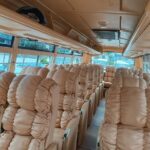
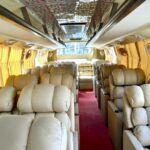
- Bus Comfort Reality Check: Seats, Cleanliness, and How to Prepare
- Safety and Confidence: Why a Tourist Bus Still Beats the Chaos
- Who This Bus Is Best For (and Who Might Want Another Option)
- Practical Packing Tips for a 7-Hour Ride
- Should You Book This Kathmandu–Pokhara (or Pokhara–KTM) Bus Ticket?
- FAQ
- What is the departure time for Kathmandu to Pokhara?
- What is the departure time for Pokhara to Kathmandu?
- How long does the bus ride take?
- Is this a one-way ticket or round trip?
- Does the ticket include meals?
- Where do I collect or access my ticket?
Key points at a glance
- Hotel reception ticket collection so you check in smoothly before departure
- Two departure options (7:00 AM KTM→Pokhara, 7:30 AM Pokhara→KTM) with clear reporting times
- Around 6–7 hours on the road, depending on traffic and road works
- Lunch break included for comfort, but meals are not included in the price
- Small group size with a maximum of 30 travelers, plus mobile ticket support
- A bottle of mineral water included for the ride
Why the Kathmandu–Pokhara Tourist Bus Line Makes Sense
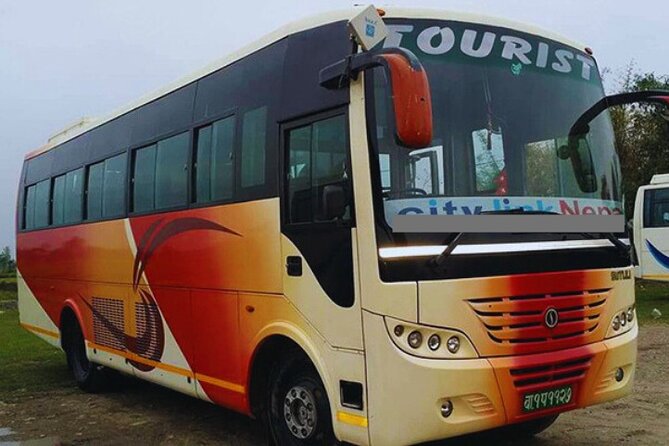
The Kathmandu–Pokhara route is popular for a reason. It’s scenic, it’s the classic Nepal “from capital to lakeside” move, and it’s busy. The downside of busy routes is simple: if you wait too long, your options get worse fast—crowds, uncertain departure times, and higher stress.
This is why I like this tourist bus ticket approach. It’s a one-way seat reservation you can pre-book, then use without drama. You also get the peace-of-mind of a more tourist-focused setup than random public buses.
Another thing I appreciate is the time structure. You’re not guessing when the bus leaves or when you should show up. You get a reporting time and a departure time, which matters on travel days when you’ve got luggage, hotel plans, and connections.
You can also read our reviews of more tours and experiences in Kathmandu
Price, Time, and What You Actually Get for $16.10
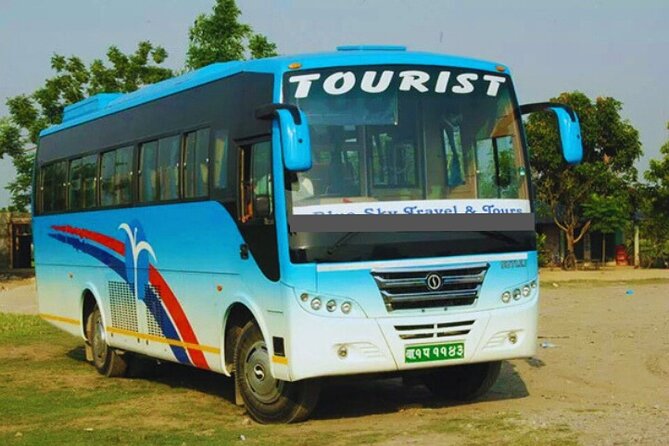
At $16.10 per person one way, this is priced like a practical transport option, not a luxury transfer. And that’s exactly what you should treat it as: a way to get from Kathmandu to Pokhara (or back) with less friction.
The ride is listed as 6 to 7 hours, and you should expect closer to seven hours when traffic, road works, or slower sections hit. On a route where departure time is fixed early in the morning, that extra hour can change what you can do after you arrive. So I recommend planning your Pokhara afternoon—or your Kathmandu evening—around that reality.
What’s included is also pretty clear. You get the bus ticket service plus a mineral water bottle. What’s not included: meals (even though there’s a lunch stop) and bus terminal transfers. So if you’re thinking you’ll be taken door-to-door, you’ll need to do a little work yourself at both ends.
Hotel Reception Ticket Collection and Digital Tickets: Less Stress, More Control
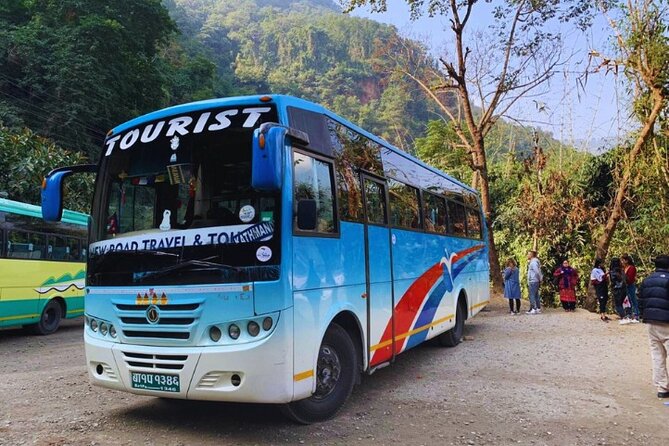
Here’s the part that makes this service feel smoother than many DIY transport plans: the ticket is handled before you even reach the bus.
Your ticket and travel details are sent to you via email or WhatsApp, and you can collect it from your hotel reception. That means you’re not trying to manage paper tickets while you’re rushing, or trying to translate details at a chaotic counter. It also helps if your travel days include multiple steps—getting cash, grabbing a snack, or making sure you’re on time.
You’ll still want to keep it simple: arrive early enough for check-in and have your phone ready in case the digital details are needed. On an early-morning departure, being prepared beats being hopeful.
Departure Points You Should Know: Sorakhutte to Nayabazaar, and Lakeside’s Tourist Bus Park
This isn’t a vague “meet somewhere downtown” situation. You have specific start and end locations, which is a big deal when you’re tired and carrying a bag.
For Kathmandu to Pokhara, the bus departs from Sorakhutte, Nayabazaar, Kathmandu. Reporting time is 6:45 AM, and departure is 7:00 AM.
For Pokhara to Kathmandu, the bus departs from Tourist Bus Park, Lakeside, Pokhara. Reporting time is 7:00 AM, and departure is 7:30 AM.
Why this matters: Kathmandu and Pokhara each have busy areas, and getting to the right pickup point early saves you from the “I’m running late—what do I do?” scramble. It also helps with taxi planning and timing, because you know exactly where you need to be.
One more note: the “end” is a different location, with details given by the service. Just remember there are no included terminal transfers, so you’ll want a plan for how you reach your hotel after arrival.
On the Road: When Your 7 Hours Can Stretch
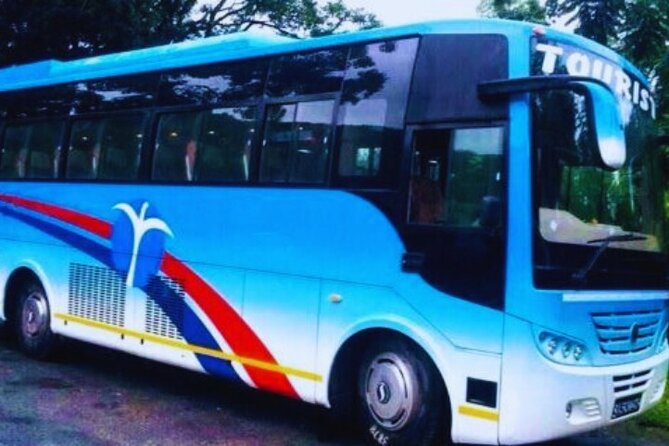
The ride is described as roughly seven hours, but it’s also clearly dependent on what the road throws at you. You’re going to encounter traffic and road works, and that’s normal for this route.
The schedule you should expect is simple:
- Early reporting, then boarding
- Departure at the stated time
- A long drive with typical stop-and-go sections
- A planned 30-minute lunch break
- Arrival after the road allows it
One practical reality to keep in mind: the bus may make extra roadside stops while collecting passengers. That can slow the start, even if departure time looks clean on paper. So don’t schedule tight connections for the exact arrival moment—buffer time is your friend.
If you’re prone to motion sickness, it’s worth taking your usual precautions. This is a long ride on a route that can be rough, with stops and road changes.


The Lunch Stop: A Clean Break, But Meals Aren’t Included
The service includes a half-hour lunch break at a hygienic eatery en route. That’s a real comfort upgrade on a long bus day, because you’re not stuck waiting indefinitely for something to eat.
But meals are not included. Translation: the lunch stop is for you to buy food if you want it. Bring cash or ensure you can pay where you’re stopping, and use that break to reset.
Also, don’t overplan your lunch. Because the bus needs to get moving again, it’s better to eat something simple and fast rather than trying to turn the stop into a full restaurant experience.
Bus Comfort Reality Check: Seats, Cleanliness, and How to Prepare
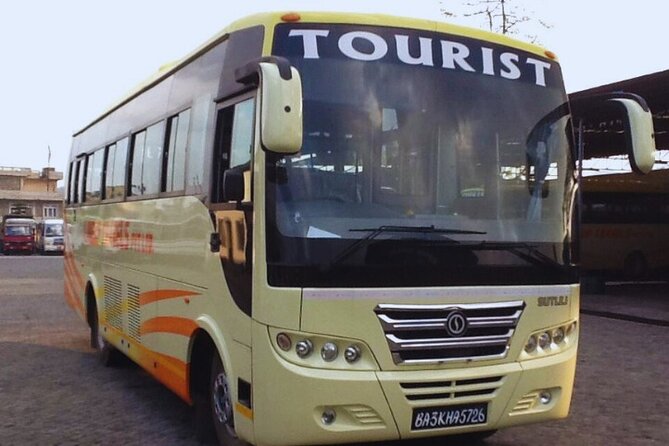
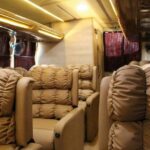
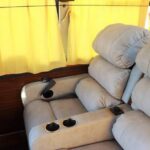
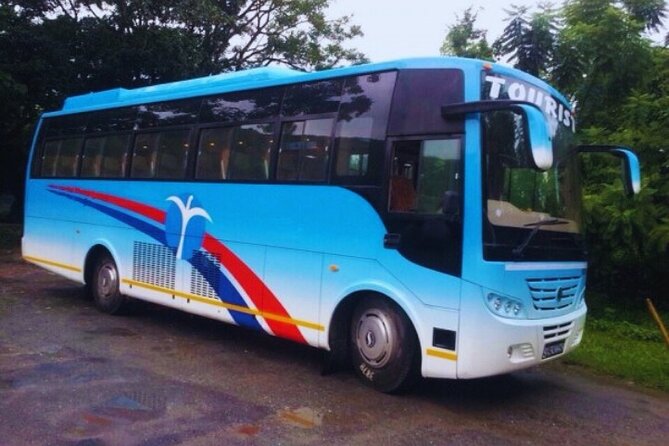
The biggest “it depends” factor here is comfort. The service is positioned as safer and more comfortable than crowded public buses, and that intention is good. But you should not assume modern, plush seating.
Some rides have been described as having old, uncomfortable seats and a bus that felt dirty. That doesn’t mean every trip is like that, but it’s enough to change how you pack and how you set expectations.
Practical steps that help:
- Bring a small seat cushion or folded layer if you’re sensitive to hard seats
- Have a light scarf or tissue pack in case the cabin feels dusty
- Keep your most important items in reach, since you’ll be sitting for a long time
If comfort is your top priority—especially for a multi-hour road ride—then go into this with your eyes open.
Safety and Confidence: Why a Tourist Bus Still Beats the Chaos
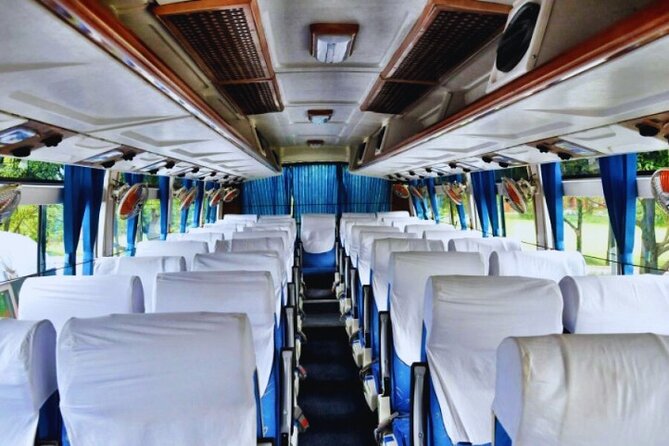
One big reason to pre-book is seat security. The Kathmandu–Pokhara route is popular, and popular routes can turn into stressful searches. Pre-booking reduces the chance you’re stuck with whatever is left—or trying to force a last-minute plan.
Safety-wise, the service is marketed as a more controlled, tourist-focused ride instead of the crowded, more unpredictable public bus experience. Still, Nepal road travel involves real conditions: traffic, road works, and a bus that may stop for passenger pickups.
So aim for confidence without pretending the road is perfect. Sit where you feel safest, keep your bag secured, and follow the bus instructions during any stops. And if the cabin feels warm or smells off, step out during the lunch break rather than forcing yourself to endure.
Who This Bus Is Best For (and Who Might Want Another Option)
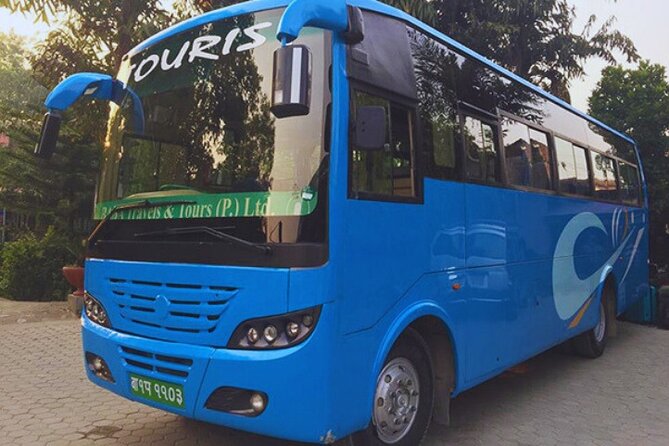
This bus ticket is a strong fit if you:
- Want a fixed departure time with clear reporting
- Prefer pre-planning over seat hunting
- Like the idea of a tourist bus rather than squeezed public transport
- Appreciate the small group size (up to 30 travelers) and a more organized ride feel
It may feel less ideal if you:
- Are extremely picky about cleanliness and seat comfort
- Need a very predictable arrival window for next-day plans
- Don’t want any chance of extra roadside stops before you reach your lunch break
For many people, this is exactly the right middle option: not fancy, but sensible. You’re paying for fewer unknowns.
Practical Packing Tips for a 7-Hour Ride
For this specific ride length and early departure, I’d pack for “comfort + control.”
- Bring a light layer. Long bus rides can swing between warm and cooler air.
- Pack a small bag with water, snacks you’re comfortable with, tissues, and your phone charger. (You’ll get one mineral water bottle, but having backup helps.)
- Keep your documents and ticket info offline on your phone so you’re not relying on spotty signal.
- If you’re doing the Kathmandu to Pokhara direction, plan your hotel check-in time around arriving later than you expect.
Small prep turns the whole day from stressful into easy.
Should You Book This Kathmandu–Pokhara (or Pokhara–KTM) Bus Ticket?
I’d book it if you want a straightforward, organized way to move between Kathmandu and Pokhara. The ticket-at-your-hotel approach, the clear departure times, and the lunch stop make it a strong value for the money.
But I wouldn’t book it as your top choice if comfort and cleanliness are non-negotiable for you. The ride can be long, and seat conditions can be less than what you’d expect from a “premium” transfer.
If you’re flexible, you’ll likely like it. It’s the kind of service that helps you get on the road with fewer worries, which is half the battle when you’re traveling in Nepal.
FAQ
What is the departure time for Kathmandu to Pokhara?
The bus departs Kathmandu at 7:00 AM, with a reporting time of 6:45 AM.
What is the departure time for Pokhara to Kathmandu?
The bus departs Pokhara at 7:30 AM, with a reporting time of 7:00 AM.
How long does the bus ride take?
The journey takes about 6 to 7 hours, roughly around seven hours depending on traffic and road conditions.
Is this a one-way ticket or round trip?
This is a one-way ticket. You can book travel in either direction.
Does the ticket include meals?
No. Meals are not included, even though the trip includes a 30-minute lunch stop where you can buy food.
Where do I collect or access my ticket?
Your ticket details are sent to you via email or WhatsApp, and you can collect the ticket from your hotel reception. A mobile ticket option is also listed.