REVIEW · KATHMANDU
Kathmandu: Kailash Mansarovar Yatra Tour 2025
Book on GetYourGuide →Operated by Peregrine Treks and Expedition P Ltd · Bookable on GetYourGuide
Mount Kailash is only the start. This Kathmandu: Kailash Mansarovar Yatra Tour 2025 strings together UNESCO Kathmandu culture, Tibetan plateau travel, and the truly unforgettable Kailash Kora around the sacred mountain and its north-face views.
I especially love how the plan gives you time for real acclimatization before the high trekking push, and I like that the whole trip is built around an experienced English-speaking Tibetan guide plus permits and entrance fees handled. One thing to weigh: the trek and the Tibet side are remote, so basic guesthouse comfort and weather/route changes are part of the story, not a surprise.
In This Review
- Key takeaways before you commit
- Why the 2025 Kathmandu to Kailash route feels different
- Kathmandu UNESCO sights that actually set the stage
- Nagarkot hike and the Rasuwagadhi drive: a smart altitude warm-up
- Crossing into Tibet: Kerung and Saga as your plateau settling-in period
- Lake Mansarovar day: sacred water, quiet intensity, and basic comforts
- The Kailash Kora trek: Derapuk and the north-face moment
- Droma La Pass and Zutulpuk: the toughest spiritual math on the trip
- Completing the Kora: drive back to Saga, then the long descent rhythm
- Price and value: what $4,013 covers, and what can still cost extra
- Comfort level: 3-star hotels, shared guest houses, and what to pack for real life
- Safety, altitude, and the list of who should not try this
- Tibet rules that you must respect (yes, even for your phone)
- Practical questions and planning notes before you go
- Should you book the Kathmandu Kailash Mansarovar Yatra Tour 2025?
- FAQ
- How long is the Kathmandu Kailash Mansarovar Yatra Tour 2025?
- What’s included for accommodations and breakfasts in Tibet?
- Do I have to get a Chinese visa for Tibet?
- Are lunches and dinners included during the Kailash tour?
- Will I have a guide, and what language do they speak?
- Is there an optional helicopter ride, and what does it cost?
- Is this trip suitable for everyone?
Key takeaways before you commit
- Small group (up to 10) means less waiting, more attention, and easier pacing on tight logistics.
- Droma La Pass is the emotional and physical centerpiece, where the spiritual meaning of the pass meets serious altitude effort.
- Lake Mansarovar rituals are the calming counterweight to the hiking days, with serene views of the Kailash region.
- High-altitude trek planning includes acclimatization days, which matters more than “toughing it out.”
- Tibet rules are strict about certain items and sharing content related to Tibetan leaders, so pack and behave accordingly.
Why the 2025 Kathmandu to Kailash route feels different
This isn’t a “see everything on a checklist” tour. It’s built like a pilgrimage with a rhythm: city culture to orient you, then border-crossing travel, then lake serenity, then the Kora circuit around Mount Kailash, and finally the long drive back.
The itinerary also respects how altitude works. You don’t jump straight from Kathmandu air into high passes. You get time to settle, ride up to the plateau area, and start the trek with a gradual build that helps your body handle the altitude better.
For value, I like that your core costs aren’t just transportation. The package includes Tibet travel permit and necessary entrance fees, plus a Tibetan guide and a big chunk of the infrastructure that normally makes this type of trip stressful.
The tradeoff is simple: you’re going to trade comfort for meaning. Accommodation on the Tibet side includes shared guest houses in key nights, and you’ll feel the remoteness in your daily routine.
You can also read our reviews of more tours and experiences in Kathmandu.



Kathmandu UNESCO sights that actually set the stage
Your first week of the journey starts in Kathmandu, and that choice isn’t random. Before you deal with borders and thin air, you get a concentrated dose of the sacred geography your pilgrimage is connected to.
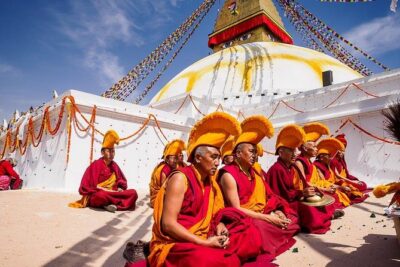
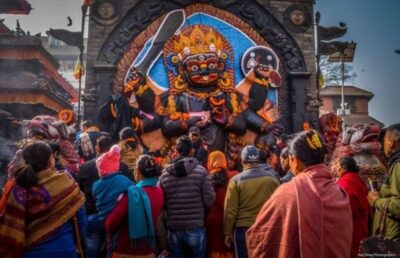
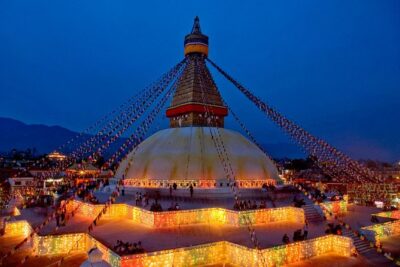
Day 2 focuses on four major UNESCO World Heritage sites: Kathmandu Durbar Square, Swayambhunath (Monkey Temple), Boudhanath Stupa, and Pashupatinath Temple. This matters because these places teach you the visual language of devotion—temple architecture, ritual spaces, and how communities move through religious sites.
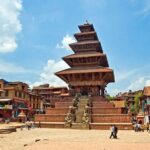
Then Day 3 adds Patan and Bhaktapur Durbar Squares, where Newari craftsmanship and architecture show up in details you’ll otherwise miss. Even if you’re not a historian, you’ll feel the difference when you’re later at Tibetan monasteries and kora trails—same spiritual gravity, different style.
There’s also a practical bonus: Day 2 includes passport/visa processing time. That gives you a smoother transition into the logistical side of the yatra, not just the spiritual side.
Nagarkot hike and the Rasuwagadhi drive: a smart altitude warm-up
Day 4 adds a day hike from Bhaktapur to Nagarkot. It’s not the main climb, but it’s a great “gear check.” You test your shoes, your layering system, and your breathing before you ever reach the higher Tibetan altitudes.
Nagarkot also gives you early Himalayan views, which helps you mentally prepare for the scale you’ll see later near the Kailash plateau. I find that early scenery makes the later days feel less like a shock and more like a progression.
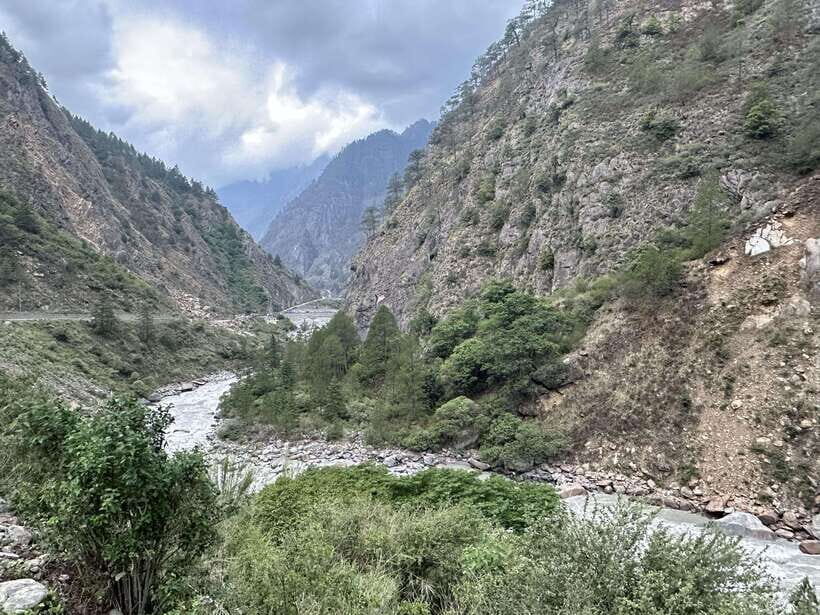
Day 5 brings the scenic drive through the Langtang region to Rasuwagadhi, the Nepal-Tibet border town. Roads are part of the yatra experience here. Expect a long ride, bumps, and the kind of “journey fatigue” that’s normal before you enter a remote travel zone.
Crossing into Tibet: Kerung and Saga as your plateau settling-in period
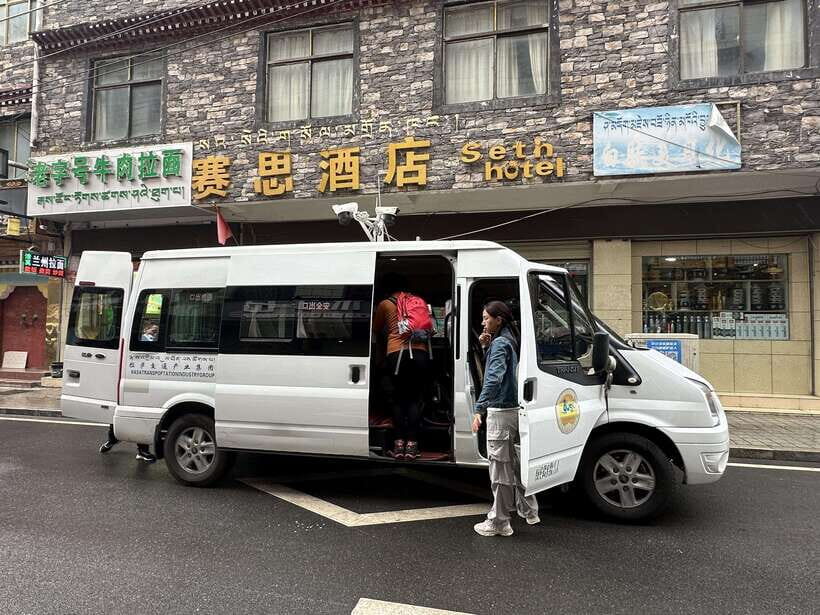
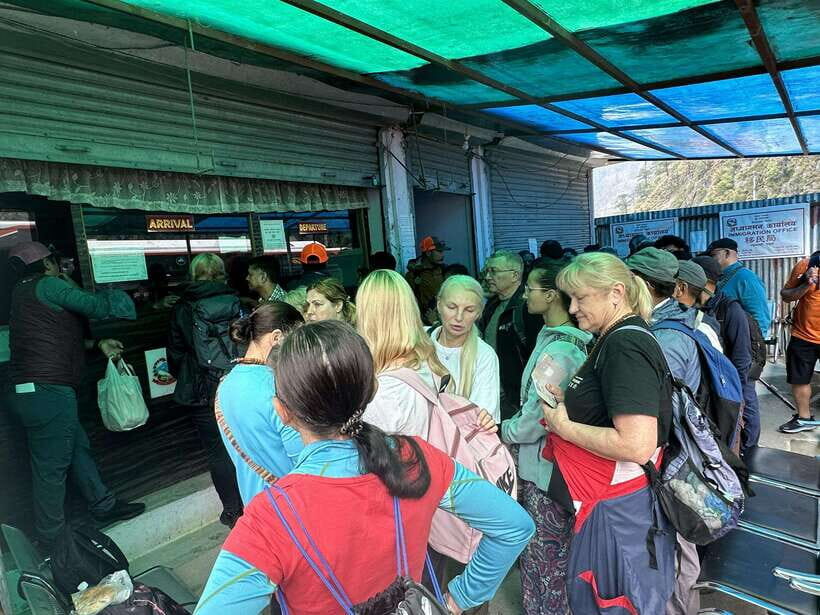
Day 6 crosses the border and drives to Kerung, where you get time to explore the town and local temples. This is the buffer day. It helps you transition from Nepal’s rhythm into Tibet’s pace without immediately starting your hardest trekking work.
Day 7 drives deeper to Saga. The itinerary frames it around plateau views and the Brahmaputra River region. Even if you think you’ve seen high scenery already, this is a different kind of openness—fewer distractions, more sky, and a travel feeling that’s more “expedition” than “tour.”
This is also where I’d pay attention to how you’re handling altitude. If you feel strong, don’t celebrate too early. If you feel slow, that’s useful information. Your guide’s pacing decisions will matter here.
Lake Mansarovar day: sacred water, quiet intensity, and basic comforts
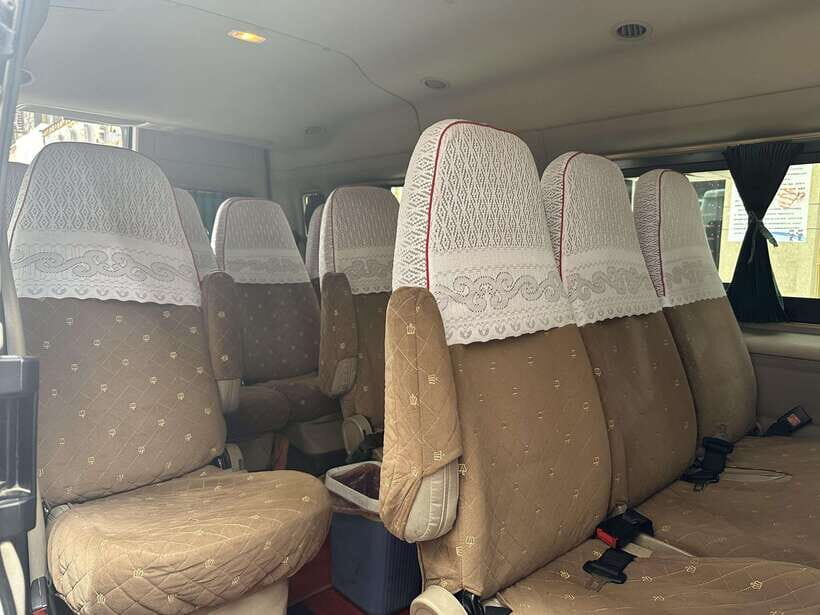
Day 8 is Lake Mansarovar, and it’s the emotional reset of the trip. The lake is revered as a symbol of purity and enlightenment, and the whole experience is built around spiritual rituals by the water.
In real-world trip stories, people often talk about a lake-side purification moment and special spiritual stops around the area. That’s consistent with what you should expect from a day focused on Mansarovar’s religious importance, not just photos from a shoreline.
Day 9 then moves you to Darchen, the area used as base for Mount Kailash. Here you’re close enough to feel the pilgrimage energy, but you’re still before the full Kora hiking pressure. This day is about preparation—sleeping, hydrating, and getting your body ready for the trek days.
One practical note: remote travel means you’ll want to manage expectations for food variety and room comfort. The spiritual payoff is real, but you’re not staying in a spa hotel.



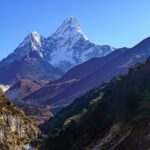
The Kailash Kora trek: Derapuk and the north-face moment
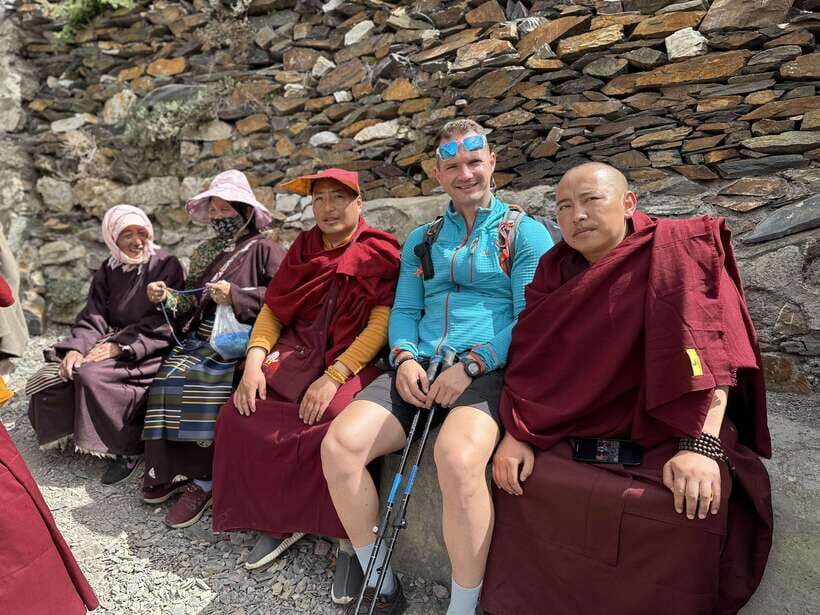
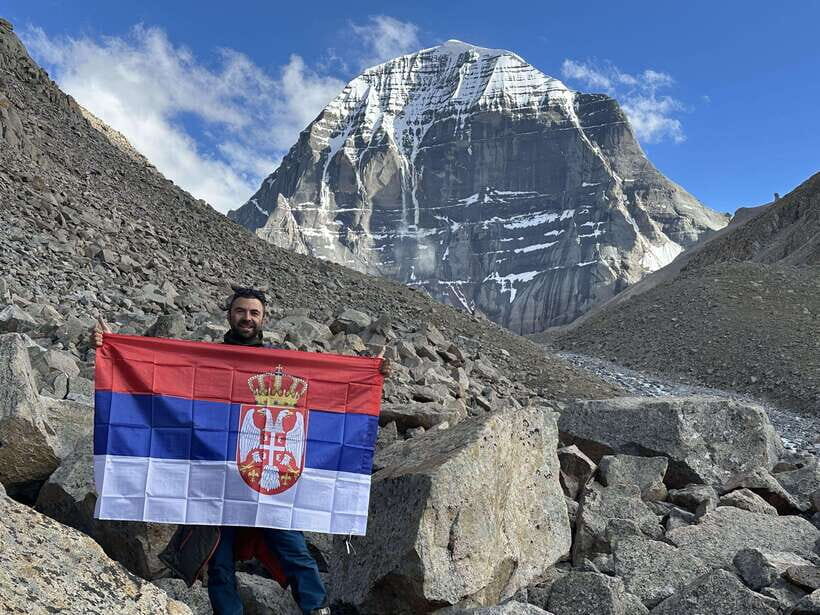
Day 10 begins the Kora with a trek to Derapuk. This is where the pilgrimage stops being abstract and becomes physical. You’ll be walking the sacred circuit around Mount Kailash, and the north-face views are the payoff.
It’s not just sightseeing. The Kora is about repetition, rhythm, and focus. Even if you’re traveling for photography or curiosity, the walking pattern and the devotional atmosphere change how you experience the mountain.
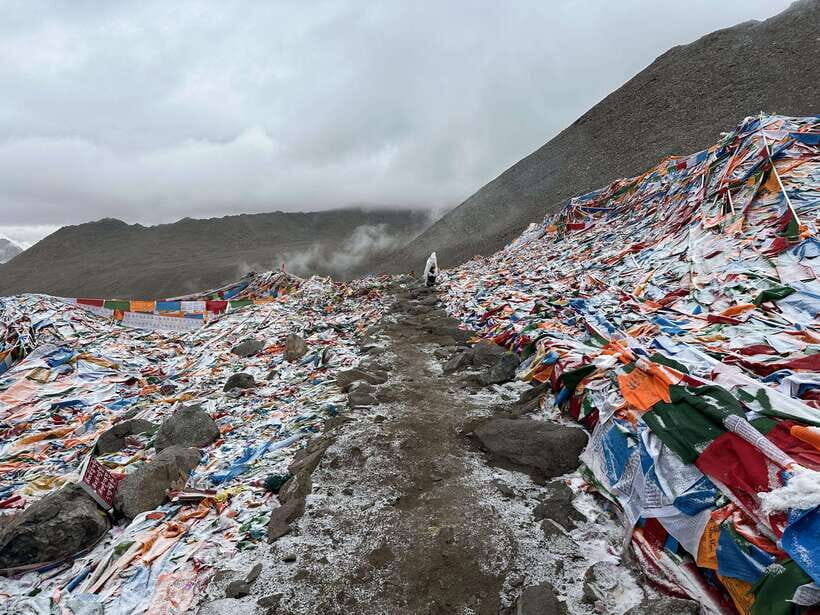
Day 11 continues the Kora via Droma La Pass toward Zutulpuk Monastery. This is the day that pushes most people closest to their limit. The pass is the highest point of the trek, and it’s also the point where your altitude preparation and trekking pace get tested.
A note on pacing: go slower than you think you need to. On altitude treks, your body punishes bravado.
Droma La Pass and Zutulpuk: the toughest spiritual math on the trip
Droma La Pass is described as a reflection point, and the trail supports that. You cross the high point and then move toward Zutulpuk, including a monastery visit that adds spiritual context to the physical effort.
This day is challenging enough that your physical fitness matters more than your enthusiasm. You’re dealing with high altitude and a demanding crossing, so planning your effort is key.
The itinerary builds in the end-of-day monastery atmosphere, which helps you “come down” mentally after the pass. When you reach Zutulpuk, it’s less about conquering and more about finishing with respect.
Also, comfort can be tough here. In trip accounts, accommodation at Zutulpuk is often described as poor compared to other nights, with many people preferring simpler, outdoor-type routines. That doesn’t spoil the Kora, but it changes what you should pack and how you should manage expectations.
Completing the Kora: drive back to Saga, then the long descent rhythm
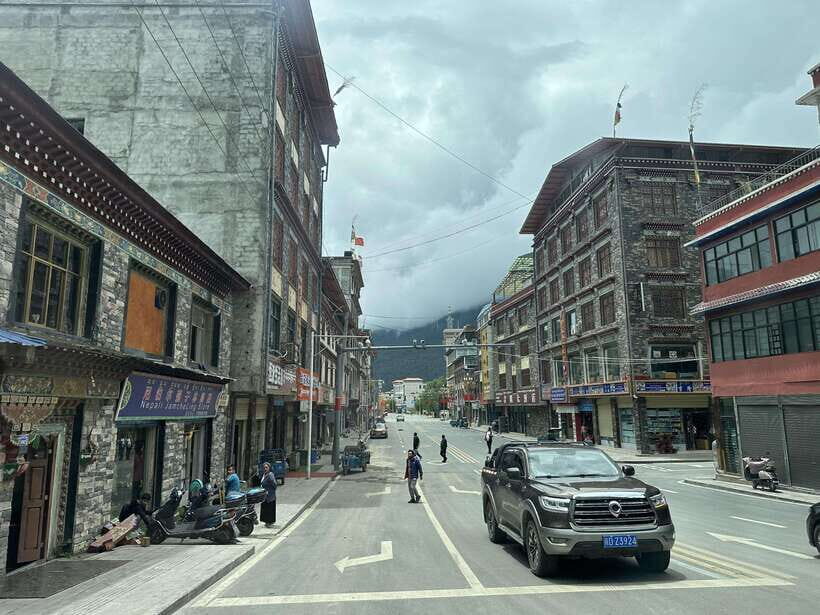
Day 12 is when the Kora finishes back at Darchen, followed by a drive to Saga. That shift—from walking to riding—feels huge. Your body will appreciate it, but your mind will also need a day to catch up, because Kora days run on emotion and focus.
Day 13 then drives back toward the Nepal border via Kerung. At this stage, it’s not about big sightseeing moments anymore. It’s about staying comfortable on the ride, keeping hydrated, and preparing for your final Nepal return.
Day 14 crosses back into Nepal and drives to Kathmandu. You’ll likely feel the difference immediately—more access, more infrastructure, and a return to familiar daily routines.
Day 15 is the departure day, with airport transfer as per your flight details.
Price and value: what $4,013 covers, and what can still cost extra
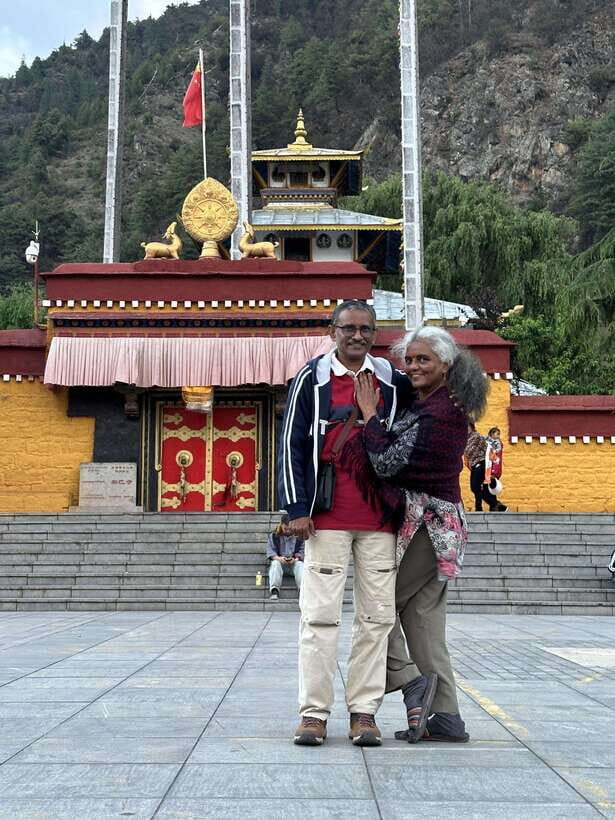
At $4,013 per person for 15 days, this price can look high until you unpack what’s included. You’re paying for private vehicle support in Kathmandu (with driver, fuel, and entrance fees), a guided Nagarkot hike setup, private jeep transport from Kathmandu to Rasuwagadhi and back, and all transportation within Tibet per the itinerary.
You’re also getting 9 nights of accommodation in Tibet split across six nights in 3-star hotels and three nights in shared guest houses (Mansarovar, Darchen, Zutulpuk). Add in breakfast included for all nine mornings in Tibet, plus English-speaking Tibetan guiding and the Tibet Travel Permit and necessary permits/entrance fees.
Where costs can surprise people is in the exclusions and the reality of remote travel. Lunch and dinner during the Kailash tour are not included, and porter services ($350 for three days) and pony hiring ($600 for three days, if needed) are additional options. If you need extra help with carrying on trek days, budget for it early.
Then there’s the weather/route factor. In recent yatra experiences, rain and landslides have caused itinerary changes and extra nights in Kerung, with travelers covering some added expenses. That’s not unique to this operator—it’s how pilgrimage routes work when nature gets a vote.
You should also budget visa realities. International airfare and travel insurance are not included. Nepal visa fees are not included. And for Chinese visa processing, the tour lists USD 250 for American, Canadian, and British passport holders.
If you’re trying to judge value, ask yourself this: would you rather pay for permits, guided coordination, and transport—or pay for the same things yourself and deal with the headaches? For most people, the included structure is worth paying for.
Comfort level: 3-star hotels, shared guest houses, and what to pack for real life
This itinerary isn’t designed for luxury. It’s built for access and safety in remote regions.
In Kathmandu, you get a 3-star hotel with breakfast for three nights. That’s your baseline for shower comfort and a decent bed before the more basic nights on the Tibetan side.
On the Tibet leg, you’ll mix 3-star hotels and shared guest houses at Mansarovar, Darchen, and Zutulpuk. Shared guest houses can mean tight space, simpler facilities, and fewer creature comforts than you’re used to at home.
So pack like a practical mountain traveler. Warm layers matter. Bring a hat, warm clothing, sunscreen, comfortable shoes, and water. Snacks can help on long days when you’re walking or sitting through transport.
Also, carry cash for personal expenses. The tour specifically warns that ATMs may not be available. That’s the kind of detail that can save your mood on day 11.
Safety, altitude, and the list of who should not try this
This yatra includes a high-altitude trek and includes acclimatization days, but it’s still physically demanding. The tour notes it requires good fitness.
If you have heart problems, back problems, are pregnant, or need wheelchair access, this route is not suitable. Children under 10 are also not recommended.
On the ground, follow the guide’s instructions for safety. On a Kora day, the group pace and timing help prevent altitude trouble and reduce risk on uneven trail sections.
If you’ve got any medical concerns, talk to a doctor before booking. This is one of those trips where “I’ll be fine” is not a strategy.
Tibet rules that you must respect (yes, even for your phone)
There are strict restrictions during the Tibet portion. You’re explicitly told not to carry items such as photos, books, CDs, DVDs, or digital devices related to the Dalai Lama or other Tibetan leaders. You’re also prohibited from sharing or posting content about the Dalai Lama on social media platforms like Facebook, Twitter, or YouTube.
That’s not a moral lecture. It’s a practical compliance issue, and it’s worth treating seriously to avoid getting delayed or denied entry to certain areas.
Also keep your behavior in line with local expectations: the tour states no alcohol and drugs, and no littering. Simple stuff, but it affects your entire group’s experience.
Practical questions and planning notes before you go
Before you book, think about your season and your flexibility. The itinerary runs as a 2025 schedule, but conditions change quickly at altitude. The route is weather-sensitive, and landslides and rain have affected real trips, including extra waiting time in Kerung.
If you’re the type who hates uncertainty, build in breathing room. Many people plan extra Kathmandu time at the end to handle delays and help things feel less rushed.
Lastly, since this is a small group up to 10, you’ll live more “as a unit” than on huge bus tours. Be ready to share pace, keep things calm, and act like a teammate.
Should you book the Kathmandu Kailash Mansarovar Yatra Tour 2025?
I’d book this if you want a pilgrimage-centered itinerary with Mount Kailash’s Kora as the core goal, you’re comfortable with real trekking effort and high altitude, and you value guided coordination (permits, transport, entrances) more than DIY freedom.
I would skip it if you’re looking for cushy lodging, easy walking days, or a trip where weather won’t matter. Even with acclimatization and planning, this route can change if conditions shift.
If you do book, pack thoughtfully, budget for the trekking extras you might need (porter or pony options), and keep your plans flexible around border-zone delays. Do that, and the spiritual and scenic payoff is the kind of experience that stays with you long after the trekking boots come off.
FAQ
How long is the Kathmandu Kailash Mansarovar Yatra Tour 2025?
The tour lasts 15 days, from arrival in Kathmandu to departure from Kathmandu.
What’s included for accommodations and breakfasts in Tibet?
You get 9 nights in Tibet: six nights in 3-star hotels and three nights in shared guest houses (Mansarovar, Darchen, Zutulpuk). Breakfast is included for all nine mornings in Tibet.
Do I have to get a Chinese visa for Tibet?
Yes. The tour states a Chinese visa fee of USD 250 for American, Canadian, and British passport holders. The international airfare and travel insurance are also not included.
Are lunches and dinners included during the Kailash tour?
No. Lunch and dinner during the Kailash tour are not included.
Will I have a guide, and what language do they speak?
Yes. The tour includes an English-speaking Tibetan tour guide, and the Nagarkot day hike also includes an English-speaking guide.
Is there an optional helicopter ride, and what does it cost?
Yes. A private helicopter is listed at USD 1600, and a shared helicopter is listed at USD 320 per person.
Is this trip suitable for everyone?
No. It is not suitable for children under 10, pregnant women, people with back problems, people with heart problems, or wheelchair users. The itinerary also includes a high-altitude trek that requires good fitness.