REVIEW · EVENING EXPERIENCES
Kathmandu: Pashupatinath Temple Evening Aarati Tour
Book on GetYourGuide →Operated by Breakfree Adventures Pvt. Ltd. · Bookable on GetYourGuide
Six PM at Pashupatinath feels different. This evening Pashupati Bagmati Aarati beside the Bagmati River is part prayer, part pageant, and part reminder that Hindu devotion is lived out in public. The tour also gets you there at the right time, with the ritual typically beginning around 6:00 to 6:30 PM.
I love two things most. First, the guide helps you land a good viewing spot when the area gets packed—on a busy Saturday night, the guide I’m reading about, Razz, managed that for at least one group. Second, the explanations make the whole scene click, from the oil-lamp movements and chants to how the cremation ghats fit into what you’re seeing. On top of the Hindu practice, I also like that some guides bring in extra context, like Buddhism, so the symbolism feels less random.
The main consideration is that this is a sacred, working riverside space. You’ll deal with crowding, incense smoke, and chanting noise, and non-Hindus can’t go into the main temple area—viewing is from the Bagmati River banks. Also, keep your guard up near the temple shops; one guest reported an unpleasant push for purchases with what they felt was inflated pricing.
In This Review
- Key things to know before you go
- Pashupatinath at 6 PM: Why the Bagmati Aarati Matters
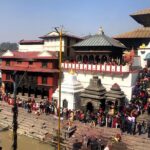
- What You Actually See on the Bagmati Riverbank
- The 3-Hour Run: Pickup, Timing, and Your Viewing Window
- Entering Temple Space the Right Way: Dress, Rules, and Respect
- Crowds, Smoke, and That Good Seat Feeling
- Price and Value: The $22 Tour Plus NPR 1,000 Entry Fee
- Guide Quality: When Names Like Razz, Ravi, and Shankar Help
- Best Fit: Who Will Enjoy This Evening Aarati Tour Most?
- Should You Book This Evening Aarati Tour? My Call
- FAQ
- What time does the Pashupati Aarati usually start?
- How long is the Kathmandu Pashupatinath Evening Aarati Tour?
- Where are the pickup locations in Kathmandu?
- Where will I be dropped off after the tour?
- Is the monument entry fee included in the price?
- Is this tour suitable for non-Hindus?
- Can I take photos during the Aarati?
- What should I wear to the temple area?
- Do I get an English-speaking guide and transportation?
- What is the cancellation policy?
Key things to know before you go
- Aarati starts around 6:00–6:30 PM, so plan on arriving with time to settle in.
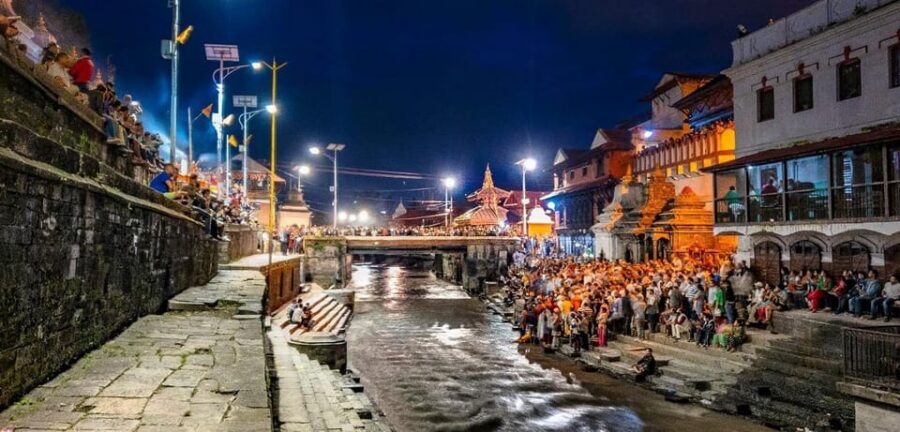
- View from the Bagmati River banks gives you the best angle without crossing into restricted temple space.
- Oil lamps in circular motions + chanting + bhajans are the core experience, not just sightseeing.
- Good guide context matters, and names like Razz, Ravi, and Shankar show up in strong feedback.
- Crowds and smoke are normal during peak days and festivals, so patience helps.
- Monument entry fees aren’t included (NPR 1,000 per person), so budget for that day-of.
Pashupatinath at 6 PM: Why the Bagmati Aarati Matters
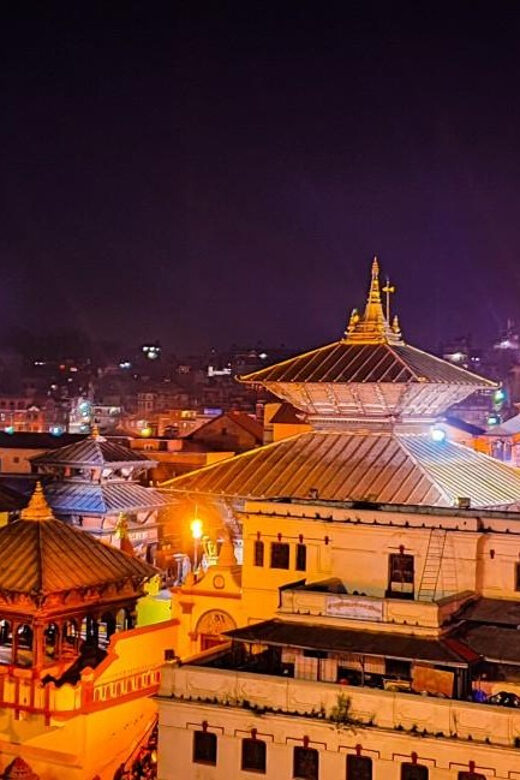
If you’ve ever wondered what religious ritual looks like when it’s actually part of daily life, this is the answer. At Pashupatinath, the evening Aarati on the Bagmati River is one of those moments where devotion spills into the open—lamps lit, chants rising, and people gathering with a purpose.
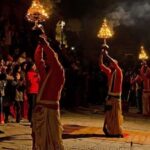
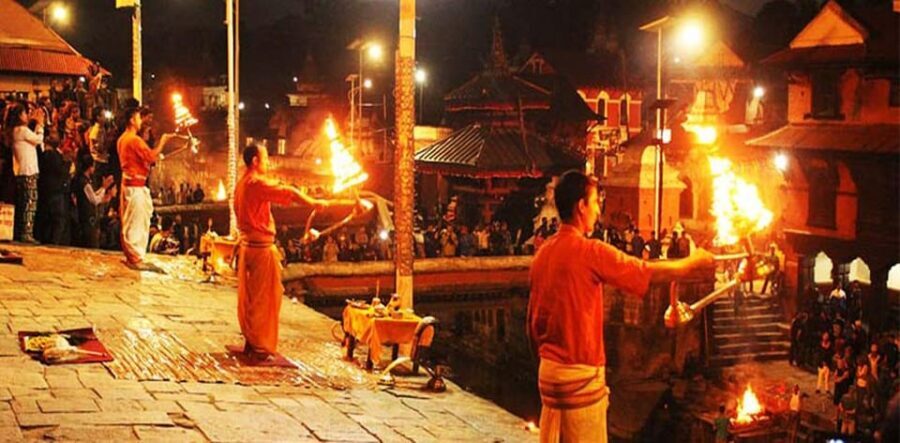
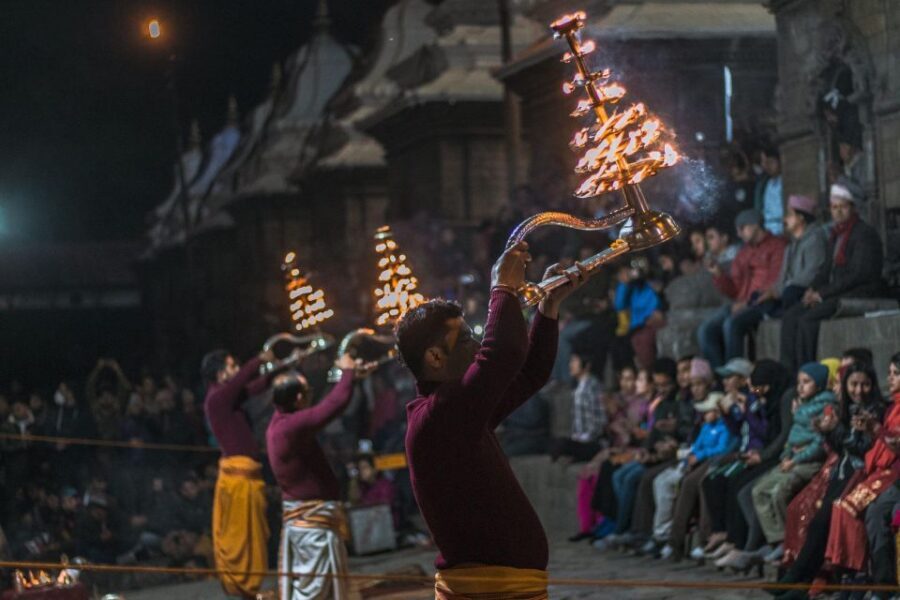
The heart of it is the Pashupati Bagmati Aarati. Priests perform worship beside the river using oil lamps while chanting sacred words, and the lamps move in circular motions as a visible gesture of devotion. You’ll also hear bhajans—devotional songs—that help set the tone. Even if you don’t follow Hindu theology, you can still feel the rhythm of community prayer.
There’s also a big belief attached to this river. Bathing in the Bagmati is seen as something that washes away sins, so the ritual isn’t just symbolic theater. It’s tied to an idea of cleansing and spiritual renewal that people come for every day—and more so on holidays.
You can also read our reviews of more evening experiences in Kathmandu



What You Actually See on the Bagmati Riverbank
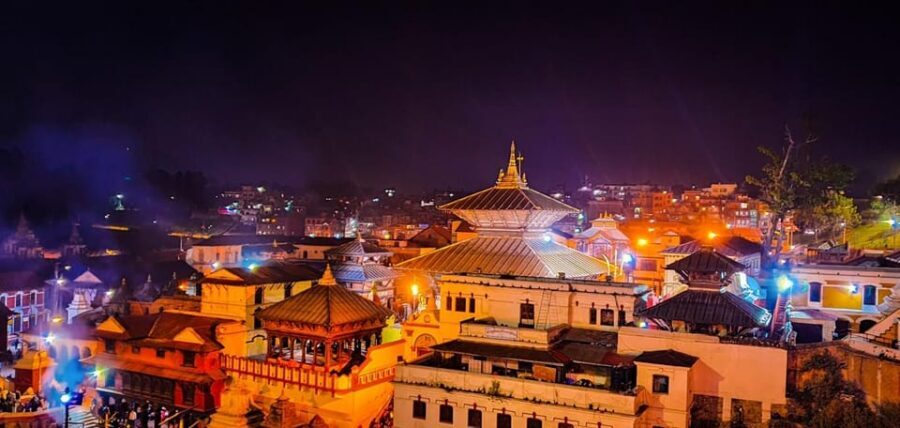
Plan on your best views coming from the Bagmati side of the temple complex. The main temple is off-limits for non-Hindus, but the Aarati is designed so that the sacred action is visible from the river banks. That detail matters because it changes your approach: you’re not touring inside a museum space. You’re watching a ritual happen in a real place, in real time.
Here’s what you can expect visually during the Aarati:
- Priests use oil lamps as the focal point of the worship.
- The circular lamp movements are repeated as chanting continues.
- Devotees sing bhajans, which adds layered sound rather than just one speaker droning on.
- The atmosphere is calm and prayerful, even when the crowd is large.
The tour also gives you a guided look around the Pashupatinath area before the main ritual. One guest specifically called out that the guide explained more than just temple facts—there’s explanation around the cremation process and the religious meaning around it. That matters because at Pashupatinath, death-related rites are part of the spiritual landscape, not something hidden away behind walls.
You might see cremations in the ghats area from a respectful distance depending on what’s happening that evening. If that’s sensitive for you, it’s better to know ahead of time and mentally prepare. If it doesn’t bother you, the explanations can make it feel less shocking and more understandable: Hindu belief here connects ritual, river, and the cycle of life and release.
The 3-Hour Run: Pickup, Timing, and Your Viewing Window
This is built for the evening timing, not a long day of driving around Kathmandu. The total time is 3 hours, so you’re mainly spending your energy at Pashupatinath when the ritual is happening.
Pickup is from central Kathmandu options, with three choices:
- Boudhha
- Thamel
- Kathmandu city center
Then you’re taken to Pashupatinath by private vehicle with air conditioning, which is a nice stress-saver in Kathmandu traffic. The guide stays with you the whole time and is there to translate what you’re seeing into plain language.
Timing-wise, the Aarati typically starts around 6:00–6:30 PM. That means you should treat the “start time” as a real arrival target, not a casual guideline. Crowds are part of the deal, and your viewing experience improves when you arrive early enough to get situated.
Entering Temple Space the Right Way: Dress, Rules, and Respect
This is a sacred Hindu site, and it shows in the rules you need to follow. Dress modestly and cover shoulders and knees. It’s not about fashion or comfort alone; it’s about showing you understand where you are.
Non-Hindus aren’t permitted inside the main temple area, but you can watch the Aarati from the Bagmati River banks. That’s a practical detail you should bank on. Don’t plan on going “all the way in” expecting full access. Instead, focus on where you can stand and where your sightline will be best.
Photography is generally allowed, but you’ll want to be respectful. Keep your phone down during the most intense chanting parts, and don’t block someone’s view for your best shot. If you’re unsure, follow the guide’s cues.
Also expect incense smoke. That isn’t a “maybe”—it’s part of the spiritual experience. If you’re sensitive to smoke or strong incense, bring sunglasses and consider a light face covering.
Crowds, Smoke, and That Good Seat Feeling
This is one of those tours where logistics affects how meaningful it feels. On busy evenings—weekends and festival days—areas near the river can get crowded quickly. The good news: the tour is set up with a guide and pickup, so you’re not left to scramble at the last second.
If you’re trying to take photos or just keep your view clear, arrive with the mindset of waiting. You’ll be standing near chanting and lamp-light movement while people sing. On a busy Saturday night, one guest singled out that the guide found a good place to sit even with the crowd.
The “consideration” side of this: you’ll be in a live ritual setting, not a quiet walkway. Expect chanting, smoke, and the press of bodies as the ceremony reaches key moments. If you hate crowds, this might test your nerves.






Price and Value: The $22 Tour Plus NPR 1,000 Entry Fee
At $22 per person for a 3-hour guided evening tour, this can be good value—mainly because you’re paying for transportation, a professional English-speaking guide, and smooth pickup/drop-off in Kathmandu.
What you need to budget extra: monument entry fees are NPR 1,000 per person, which you pay on the day of your visit. That fee isn’t included, so don’t assume your $22 covers everything. Also plan for personal expenses and any meals or drinks, which aren’t included.
Where this price feels most justified is the “time it saves.” A private vehicle pickup means you’re not trying to figure out timing and routes while everyone else is heading to the river for the ritual. The guide also helps you avoid confusion about what you’re looking at—especially helpful if you don’t know Hindu terms and you want the meaning without studying a textbook.
There’s also a skip-the-line benefit for entry. That’s especially valuable when the area is crowded and you’re working against evening timing.
Guide Quality: When Names Like Razz, Ravi, and Shankar Help
The difference between a good ritual viewing and a great one is often the guide. In the feedback here, guides show up by name, and that’s telling.
Razz gets high marks for English ability and for explaining the rituals and symbolism in a way that’s engaging even if you’re not familiar with the culture. One guest also said Razz brought in context beyond Hinduism—adding Buddhism—which helped make the larger religious picture feel more coherent.
Another guest mentioned a guide named Shankar, who explained religion and the gods and also connected what they saw during the cremation process with the final Aarati ceremony. This matters because at Pashupatinath, the ritual isn’t just the lamp-light moment. It’s part of a broader spiritual setting tied to the river.
Ravi also comes up in a positive pickup-and-driving note, which suggests the experience starts smoothly even before you reach the temple grounds.
One caution, because I think it’s fair: one booking complained about a guide allegedly working with shop sellers and pushing high-priced purchases for commission. I can’t verify details, but I can tell you what you can control. Keep your shopping optional, don’t let urgency hijack your decision-making, and if someone starts steering you hard toward purchases right next to the temple area, take a breath and decide after you’ve had time to think.
Best Fit: Who Will Enjoy This Evening Aarati Tour Most?
This tour suits you if you want more than photos. You’ll get the most out of it if you enjoy guided religious context and you’re comfortable being in a crowd for a live ceremony.
I’d especially recommend it for:
- First-timers to Kathmandu who want one “do not miss” evening experience
- People who like understanding symbolism, not just seeing monuments
- Visitors who can handle smoke and chanting in close proximity
- Anyone curious about Hindu beliefs around river ritual and devotion
If you’re strongly uncomfortable with viewing cremation ghats areas—even from a distance—then consider whether the guided explanations and potential views will feel okay for you emotionally. The tour focuses on the Aarati, but the setting around it is part of the whole story.
If you’re traveling with someone who gets overwhelmed by crowds, plan for a slower pace mentally even if the schedule is tight. Also note that non-Hindus can’t enter the main temple, so manage expectations about access.
Should You Book This Evening Aarati Tour? My Call
Book it if you want an evening ritual that’s real, not staged, and you want a guide to translate the meaning as the lamps begin to move. The $22 price feels fair for 3 hours with private air-conditioned transport and an English-speaking guide, especially if you value not having to fight timing and crowds on your own.
Skip it or reconsider if you can’t handle smoke, chanting, and crowding, or if the idea of being near cremation-related activity will spoil your comfort. Also, keep shopping optional and protect your wallet around temple-side vendors.
When it works well—and with the guide quality mentioned by name, it often does—it’s the kind of Kathmandu evening you remember because you understood what you were watching, not just because you got a photo.
FAQ
What time does the Pashupati Aarati usually start?
It typically starts around 6:00 to 6:30 PM, and the exact timing can vary by season.
How long is the Kathmandu Pashupatinath Evening Aarati Tour?
The tour lasts about 3 hours.
Where are the pickup locations in Kathmandu?
Pickup options include Boudhha, Thamel, and Kathmandu city center.
Where will I be dropped off after the tour?
Drop-off locations include Kathmandu, Thamel, and Boudhha.
Is the monument entry fee included in the price?
No. The monument entry fee is NPR 1,000 per person, paid on the day of your visit.
Is this tour suitable for non-Hindus?
Non-Hindus are not permitted inside the main temple, but the Aarati can be viewed from the Bagmati River banks.
Can I take photos during the Aarati?
Photography is generally allowed, but you should remain respectful during the ritual.
What should I wear to the temple area?
Dress modestly and cover your shoulders and knees.
Do I get an English-speaking guide and transportation?
Yes. You get a professional English-speaking tour guide and private transportation by air-conditioned vehicle.
What is the cancellation policy?
You can cancel up to 24 hours in advance for a full refund.