REVIEW · HISTORICAL TOURS
Private Kathmandu UNESCO World Heritage Sites Tour
Book on GetYourGuide →Operated by Breakfree Adventures Pvt. Ltd. · Bookable on GetYourGuide
Kathmandu’s sacred skyline tells stories fast. This private UNESCO tour is a smart way to see the city’s biggest religious and heritage sites without turning it into a stressful checklist. I love two things most: a professional English-speaking guide who puts history and tradition into everyday context, and the flexible choice of 2, 4, or 7 sites so your day matches your energy and time. The only real drawback to plan for is that monument entrance fees are extra, depending on how many UNESCO stops you choose.
In practical terms, it’s built for convenience. You get hotel pickup and drop-off by private vehicle (inside the ring road), plus air-conditioned transport with a skip-the-ticket-line approach. Reviews highlight that guides like Dipesh and Subash don’t just point at carvings; they help you pace the day, including accommodating breaks when you need them.
For families, first-timers, or anyone who wants to understand what you’re seeing (not just photograph it), this format works well. Just know that a longer 7-site option can stretch your day up to 9 hours, so you’ll want good shoes and a realistic sense of how much walking fits between stops.
In This Review
- Key highlights worth your attention
- A Private UNESCO Day in Kathmandu: pick 2, 4, or 7
- Price and logistics: where the $28 value really comes from
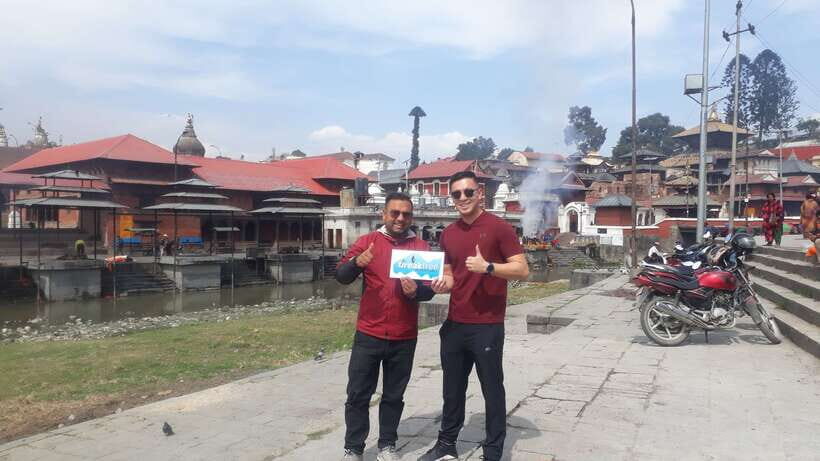
- Pashupatinath Temple: rituals, ghats, and why people remember it
- Boudhanath Stupa: Tibetan Buddhism in a living, everyday way
- Kathmandu Durbar Square: palace-temple heritage in one enclosed world
- Swayambhunath (Monkey Temple): hilltop views that organize the city
- Patan Durbar Square, Bhaktapur Durbar Square, and Changu Narayan Temple
- Patan Durbar Square
- Bhaktapur Durbar Square
- Changu Narayan Temple
- How long it takes and how to plan your day
- Guides that turn stone and stories into a day that makes sense
- Skip-the-ticket-line plus private pickup: the smooth part you’ll feel
- Should you book this Kathmandu UNESCO private tour?
- FAQ
- FAQ
- How many UNESCO sites can I choose to visit?
- How long is the tour?
- What is the price per person?
- What’s included in the tour price?
- Are monument entrance fees included?
- How much are the monument entrance fees?
- Does the tour skip the ticket line?
- Is this a private group tour?
- Where do pickups happen?
- What language is the tour guide?
- What should I bring?
- Is free cancellation available?
- Can I reserve now and pay later?
Key highlights worth your attention
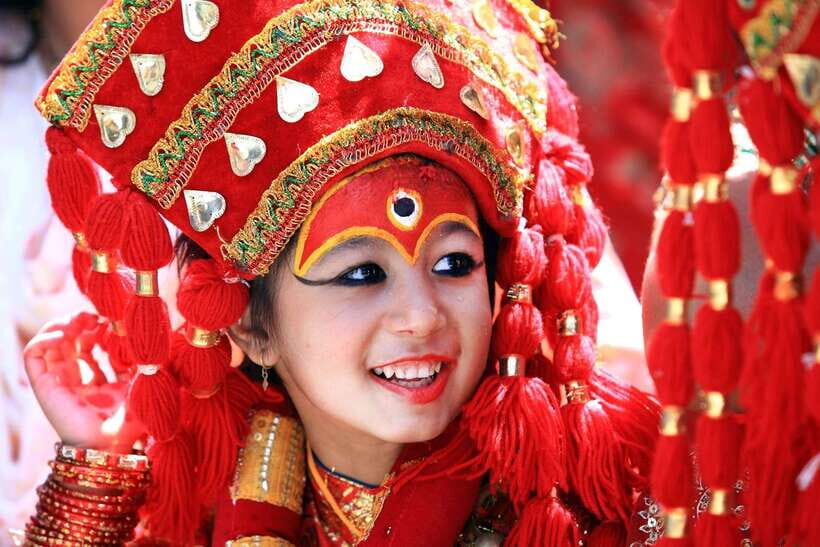
- Choose-your-own UNESCO count: 2, 4, or 7 sites lets you control time vs. depth
- Skip the ticket line: less waiting at monuments on the day you arrive
- AC private transport + pickup inside the ring road: fewer logistics headaches
- Religious rituals get explained, not just observed: Pashupatinath and Boudhanath are handled with context
- Guides are a major part of the value: Dipesh, Roshan, Madan, and Shankar Bhattarai are repeatedly praised
- A long-day option that stays organized: the 7-site route covers Kathmandu Valley’s key heritage stops
A Private UNESCO Day in Kathmandu: pick 2, 4, or 7
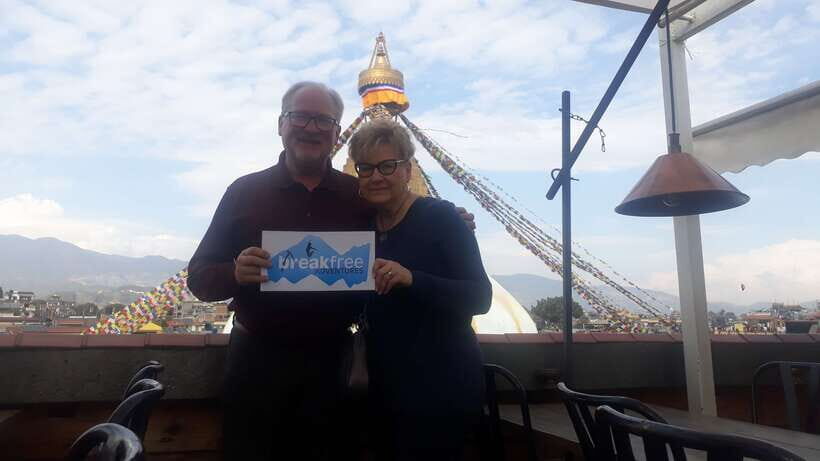
This tour is straightforward in the best way: you select how many UNESCO World Heritage Sites you want to cover, then a private guide helps you move through Kathmandu Valley’s most important temples, squares, and stupas. That flexible structure matters because Kathmandu can be a maze—traffic, stairs, crowds around holy sites, and sudden weather changes all affect how a day feels. With a private format, you aren’t trapped with someone else’s pace.
If you choose 2 sites, you’ll focus on the most spiritually charged stops: Pashupatinath Temple and Boudhanath Stupa. Go for 4 sites and you add the old-city heritage core—Kathmandu Durbar Square and Swayambhunath (Monkey Temple). The 7-site option is for you if you want an end-to-end Kathmandu Valley heritage sweep: Patan Durbar Square, Bhaktapur Durbar Square, and Changu Narayan Temple, plus the core Kathmandu sites.
That choice is also a budget decision. The tour price is low, but entrance fees scale with the number of UNESCO monuments. I like how transparent the fee structure is, because it lets you plan your total cost instead of guessing.
You can also read our reviews of more private tours in Kathmandu
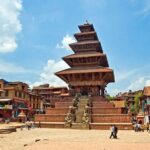
Price and logistics: where the $28 value really comes from
The advertised price is $28 per person, for a private guided tour in an air-conditioned vehicle with hotel pickup and drop-off (inside the ring road). Taxes are included, and the guide is English-speaking. Add to that the “skip the ticket line” approach, and the tour becomes less about saving time and more about getting your day run cleanly.
Here’s the part that affects your real total: monument entrance fees are not included. The tour lists these amounts (payable on the day):
- NPR 1400 for 2 UNESCO sites
- NPR 2600 for 4 UNESCO sites
- NPR 6000 for 7 UNESCO sites
So the value math looks like this:
- For a 2-site day, you’re paying a modest entrance fee on top, and you get two major anchors of Nepalese spiritual life.
- For 4 sites, you get broader city context—Durbar Square plus the hilltop views at Swayambhunath—without turning it into a marathon.
- For 7 sites, you’re paying the highest entrance fees, but you also get the widest “Kathmandu Valley highlights” coverage.
If your schedule is tight, the 2-site version can be the best value per hour. If you have a full day and want architecture, temples, and multiple royal squares, the 7-site plan can be worth it—just keep in mind it’s the longest option (up to 9 hours).
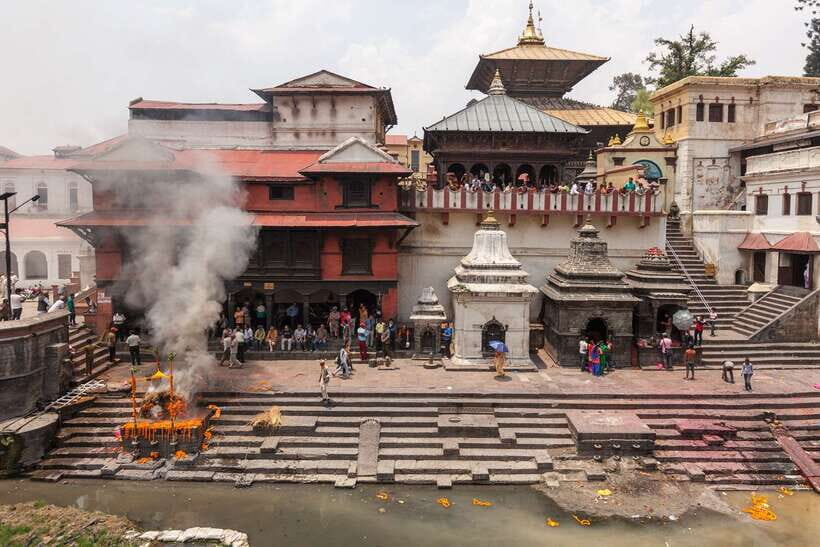
Pashupatinath Temple: rituals, ghats, and why people remember it
Pashupatinath Temple is the Nepalese spiritual heart for many Hindu visitors. On this tour, it’s not treated like a quick photo stop. Your guide gives the stories and traditional context that help you understand what you’re seeing, especially around daily religious practice and the sacred river setting.
A standout point from the experience is how strongly people react to the Hindu cremation ghats area. One review described it as an encounter unlike anything they had seen. That’s not meant to shock you—it’s meant to set your expectations. Pashupatinath is intense in a way that temple-adjacent places often aren’t. If you’re the type who wants to know the “why” behind what’s happening, this stop is built for you.
Practical note: holy sites can require slower movement and careful respect (dress, behavior, and where you can stand). The tour format helps because you’re not guessing your way through; your guide can steer you toward the right vantage points and explain what’s happening.
Boudhanath Stupa: Tibetan Buddhism in a living, everyday way
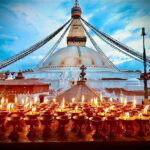
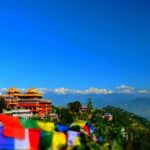
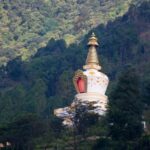
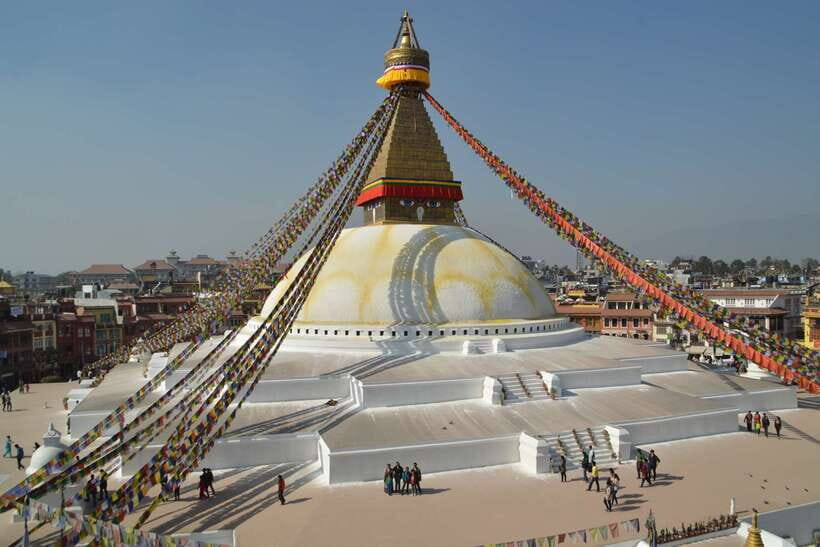
After Pashupatinath, the tour shifts to Boudhanath Stupa, described as one of the largest stupas in the world. Here, the atmosphere turns toward Tibetan Buddhist traditions, and the stupa becomes the center of daily life—prayer, movement, and quiet focus.
The best part of this stop is not just seeing the monument. It’s learning how the traditions around it function. Your guide shares legends and traditions tied to the site, which helps you read the space beyond the obvious grandeur.
One review even mentioned having lunch in a good spot with a view over the Tibetan stupa area. That’s a reminder of how well Boudhanath supports a break: you can slow down, look around, and let the surroundings settle into your head. If you chose the 4- or 7-site option, Boudhanath also acts like a “reset moment” between major heritage stops.
Kathmandu Durbar Square: palace-temple heritage in one enclosed world
If you pick the 4-site or 7-site option, you’ll visit Kathmandu Durbar Square. This is the kind of UNESCO site where the details matter. It’s a complex of palaces, temples, and courtyards, so it rewards steady attention and a guide who can connect the architectural pieces to their cultural meaning.
What I like about this stop in a private format: you can take your time inside the square instead of being rushed through. Reviews also point out that having space to pace each location is a key benefit—especially if you’re comparing carvings, courtyards, and temple layouts.
The main consideration? Durbar Square is popular. Even with skip-the-ticket-line support, you’ll still face the realities of an active historic district—crowds near key points and limited room to move. If you hate shoulder-to-shoulder sightseeing, it helps to accept that you’ll sometimes need patience and short pauses for photos.
You can also read our reviews of more historical tours in Kathmandu


Swayambhunath (Monkey Temple): hilltop views that organize the city
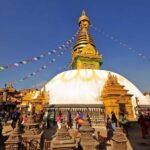
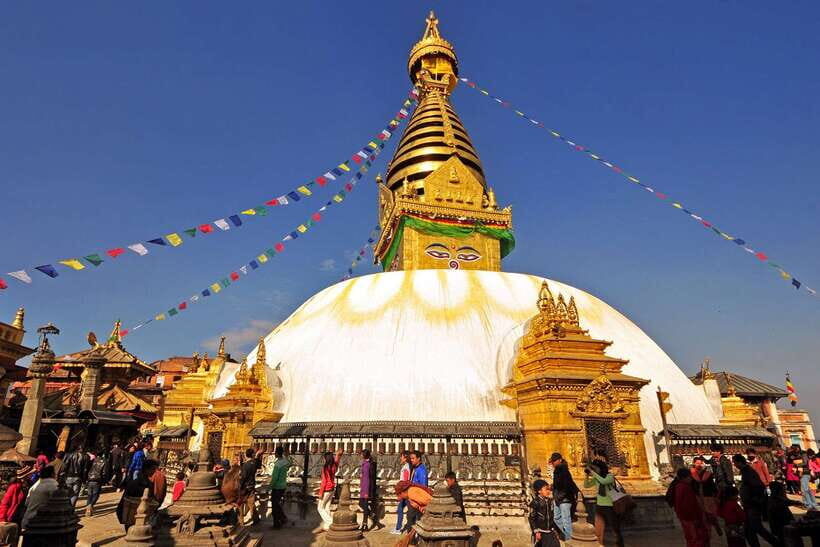
Swayambhunath Stupa, also known as the Monkey Temple, sits on a hill with panoramic city views. When you add it to your itinerary, you get two things at once: a sacred landmark and a practical way to orient yourself in Kathmandu’s layout.
Your guide can explain the stories and traditions tied to the site, which matters here because Swayambhunath isn’t just “a stupa on a hill.” It’s a vantage point with layers of meaning—people come for spiritual reasons, and the views are part of why the place feels important.
Expect stairs and uneven footing, which is the only real “drawback” to watch for. It’s not unique to this tour, but it’s worth mentioning because the longer your site list, the more time you spend moving between levels and viewpoints.
Patan Durbar Square, Bhaktapur Durbar Square, and Changu Narayan Temple
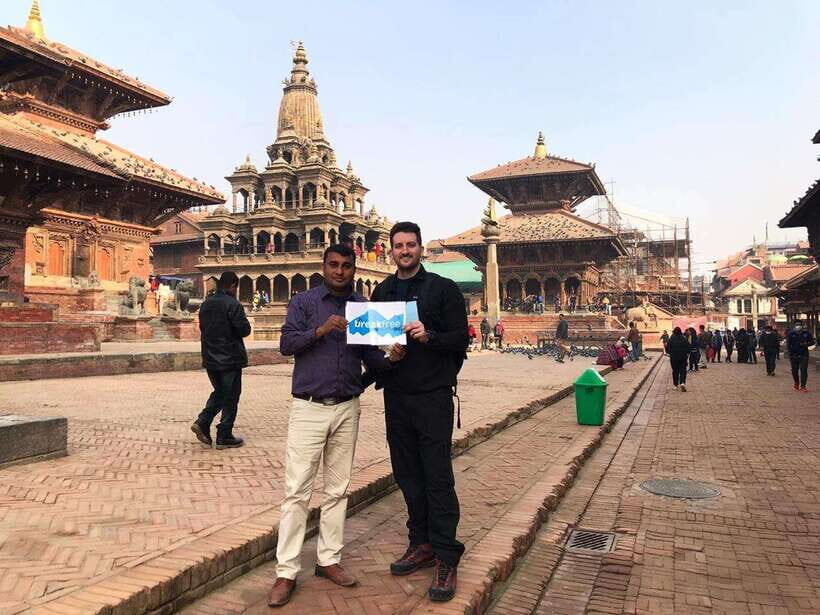
If you go for 7 UNESCO sites, you’ll add three major heritage stops: Patan Durbar Square, Bhaktapur Durbar Square, and Changu Narayan Temple. Together, they turn the day into a Kathmandu Valley heritage tour instead of only a Kathmandu city tour.
Patan Durbar Square
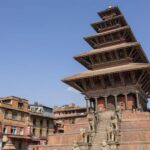
Patan Durbar Square expands your view of royal-era architecture and ceremonial space. You’ll be looking at palaces, temple structures, and the kind of stonework where a good guide changes the experience from sightseeing into understanding.
Bhaktapur Durbar Square
Bhaktapur Durbar Square is another royal centerpiece. If you’re the sort who enjoys comparing styles and layouts between sites, this is where the day starts to feel more “complete.” You also get a better sense of how different areas of the valley express heritage.
Changu Narayan Temple
Changu Narayan Temple rounds out the lineup with a more focused temple experience. If you want a strong spiritual and architectural moment inside the overall heritage sweep, this stop is a good anchor.
One important reality: the 7-site plan can stretch up to 9 hours. That doesn’t mean it’s poorly planned—it just means you’ll need to treat the day like a full cultural outing. Wear comfortable shoes, keep water handy, and plan for occasional waiting as you move through active historic areas.
How long it takes and how to plan your day
The tour duration is listed as 3–9 hours, depending on which UNESCO site option you select. That range makes sense. Two sites can be a half-day focus, while seven sites are a full-day program with added travel time and more monument entry stops.
If you’re trying to squeeze Kathmandu into a limited stay, I’d lean toward:
- 2 sites if you want the biggest spiritual impact with less walking.
- 4 sites if you want a solid “greatest hits” day plus a hilltop viewpoint.
- 7 sites if you love architecture, old squares, and want Kathmandu Valley’s heritage in one organized go.
Also, because entrance fees are payable on the day, you’ll want to have cash ready in the local currency. Your guide will handle where to pay; your job is simply to be prepared.
Guides that turn stone and stories into a day that makes sense
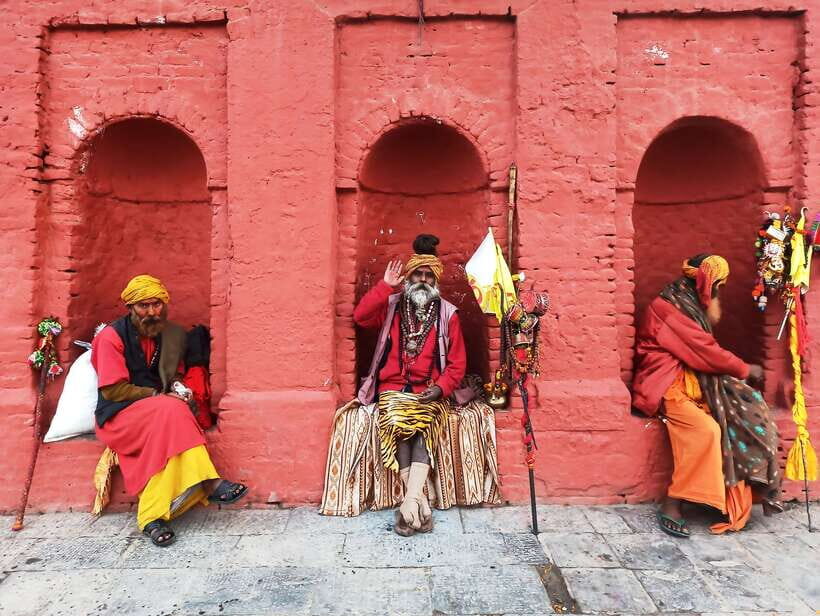
The guide is a key reason this tour gets such high marks. Reviews repeatedly mention guides such as Dipesh, Subash, Roshan, Madan, and Shankar Bhattarai. The praise isn’t vague. People point out that guides explain the history and traditions behind the temples and stupas in a clear way—and they also help the day stay flexible.
One memorable pattern from the feedback: accommodation. Dipesh is described as letting people get to a restaurant earlier when they wanted a break. That’s not a small detail. It tells you the tour isn’t run like a factory line.
If you care about learning while you sightsee, this matters. UNESCO sites in Kathmandu can feel like a lot of detail at once. A strong guide helps you connect the dots: what the site is, why it matters, and what you should notice while you’re there.
Skip-the-ticket-line plus private pickup: the smooth part you’ll feel
Two small logistics points make a difference in real life:
- Hotel pickup and drop-off inside the ring road keeps you from wasting time on meet-up puzzles.
- Private transportation with air conditioning gives you recovery time between stops, which matters when you’re hopping from temple to stupa to square.
The skip-the-ticket-line element also helps. Even when waits are short, they can steal energy from the day. When your itinerary is built around moving, saving time at entrances is a practical win.
Should you book this Kathmandu UNESCO private tour?
Book it if you want UNESCO sites with context, not just snapshots. The private guide, English delivery, and the option to pick 2, 4, or 7 sites are a strong match for first-timers, culture lovers, and anyone who’d rather pace their day than rush it.
I’d think twice if your schedule is extremely tight and you dislike any walking on stairs and uneven ground, because even the shorter itineraries can include movement around major monuments. And if you’re on a strict budget, factor in the listed entrance fees on top of the $28 price.
Overall, this is good value for what you’re getting: a focused UNESCO day, handled with private transport, smooth logistics, and guides who can explain why Pashupatinath, Boudhanath, and the Durbar Squares matter. If that’s your goal, it’s an easy yes.
FAQ
FAQ
How many UNESCO sites can I choose to visit?
You can choose between 2, 4, or 7 UNESCO sites for your private tour.
How long is the tour?
The duration is listed as 3 to 9 hours, depending on how many sites you select.
What is the price per person?
The price is $28 per person.
What’s included in the tour price?
Included are hotel pickup and drop-off by private vehicle, a professional English-speaking tour guide, private air-conditioned transportation, and all taxes.
Are monument entrance fees included?
No. Monument entrance fees are not included and must be paid on the day.
How much are the monument entrance fees?
The tour lists these fees payable on the day:
- NPR 1400 for 2 UNESCO sites
- NPR 2600 for 4 UNESCO sites
- NPR 6000 for 7 UNESCO sites
Does the tour skip the ticket line?
Yes, the tour includes skipping the ticket line.
Is this a private group tour?
Yes, it is a private group tour.
Where do pickups happen?
Pickup and drop-off are included inside the city (inside the ring road).
What language is the tour guide?
The tour guide is English.
What should I bring?
Bring a passport or ID card.
Is free cancellation available?
Yes. You can cancel up to 24 hours in advance for a full refund.
Can I reserve now and pay later?
Yes, the option is available to reserve now & pay later.