REVIEW · HISTORICAL TOURS
Kathmandu’s 7 UNESCO Heritage Gems: Private Full-Day Tour
Book on GetYourGuide →Operated by Kashyap Raj Pandit · Bookable on GetYourGuide
Seven UNESCO sites, one unforgettable Kathmandu day. This private full-day route helps you connect the dots across Kathmandu’s UNESCO landmarks, and I especially like the local food tastings that turn temple hopping into a real break, not just walking. One key consideration: monument entrance fees are not included, and they add up (in Nepali rupees) even though the day is guided.
The pacing works well because you’re not stuck doing it all alone. Your guide for the day, Kashyap Raj Pandit, can keep things moving and adjust the plan when traffic gets messy, which matters in Kathmandu. You’ll also get flexibility from the private format, with optional pickup and drop-offs around major areas.
In This Review
- Kathmandu’s 7 UNESCO Heritage Gems: What Makes This Full-Day Tour Click
- The Real Value: Packing Seven UNESCO Stops Without Losing Your Mind
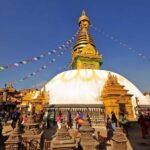
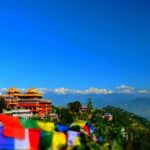
- Start at Swayambhunath: Monkey Temple Views and Calm Inside the Crowd
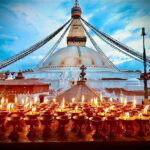
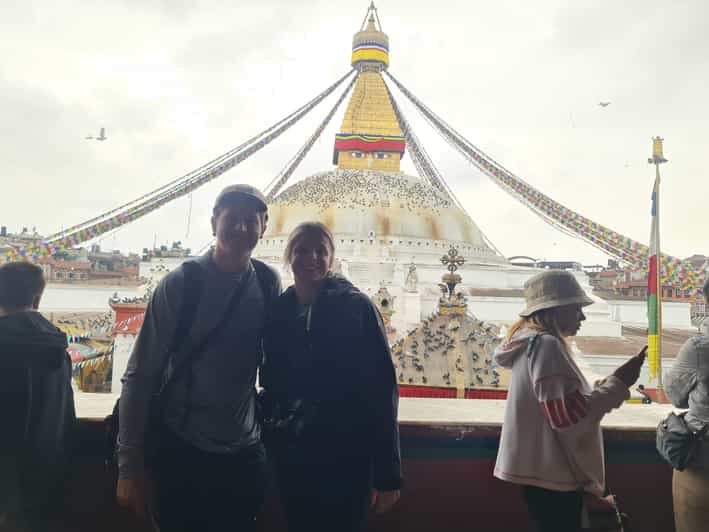
- Boudhanath Stupa: One of Nepal’s Largest, With a Serious Feeling of Peace
- Kathmandu Durbar Square: Where Temples and the Kumari Ghar Meet
- Bhaktapur Durbar Square: Royal Palaces, Nyatapola, and the 55-Window Detail
- Changunarayan Temple: Ancient Hindu Architecture and Intricate Carvings
- Patan Durbar Square and the Golden Temple: Palaces, Temples, and a Photo-Friendly Center
- Boudha to Pashupati Flow: From Stupa Calm to Riverbank Ritual
- Food Tastings and Bottle of Water: Small Inclusions That Save the Day
- Tickets, Entrance Fees, and the Budget Reality Check
- The Guide Factor: Why Kashyap Raj Pandit Makes It Worth It
- Transportation Choices: Public Segments vs. Private Comfort
- Who This Tour Suits Best (And Who Might Want Something Slower)
- Should You Book This Kathmandu 7-UNESCO Tour?
- FAQ
- What sites are included in the Kathmandu 7 UNESCO Heritage Gems tour?
- How long is the tour?
- Are entrance fees included?
- What food is included in the tasting?
- Do you get a guide, and what languages are offered?
- Is pickup available?
- Can I cancel, and what is the cancellation rule?
Kathmandu’s 7 UNESCO Heritage Gems: What Makes This Full-Day Tour Click
- Seven UNESCO World Heritage Sites in one day so you see the big names without the stress of planning connections
- Swayambhunath first stop timing that sets the tone with panoramic valley views and guided context
- Boudhanath Stupa with calm, guided walking at one of Nepal’s best-known Buddhist landmarks
- Durbar Square circuit across three heritage hubs (Kathmandu, Bhaktapur, Patan) with temples, palaces, and key icon spots
- Bhaktapur lunch break built in so you can sit down before the second half of the day
- Pashupatinath at day’s end with Bagmati aarti to close with a deeply spiritual riverbank moment
The Real Value: Packing Seven UNESCO Stops Without Losing Your Mind
Kathmandu can feel like a maze. This tour gives you a straight path through some of the most important heritage sites in the city area, without you needing to stitch together tickets, directions, and route logic on the fly.
At $40 per person for an 8-hour private group tour, the headline value is that you’re buying time and guidance. You’re also getting practical extras included in the price: a professional English-speaking guide, a bottle of water, and a local food tasting (momo and hog plum candies). The comfort piece depends on what you choose for transportation, but even with public transport included for part of the route, the guide helps you keep the day coherent.
The main thing to plan for is not the price. It’s the add-ons. Entrance fees are not included, and the list is long enough that you should budget for it up front.
You can also read our reviews of more private tours in Kathmandu
Start at Swayambhunath: Monkey Temple Views and Calm Inside the Crowd
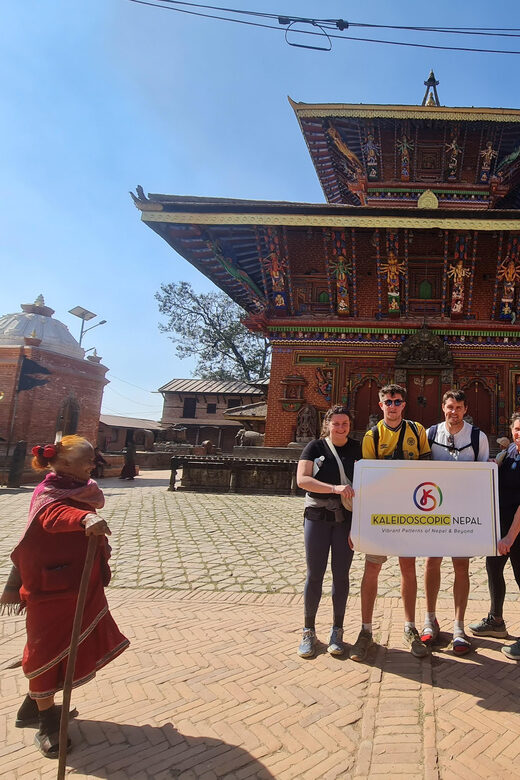
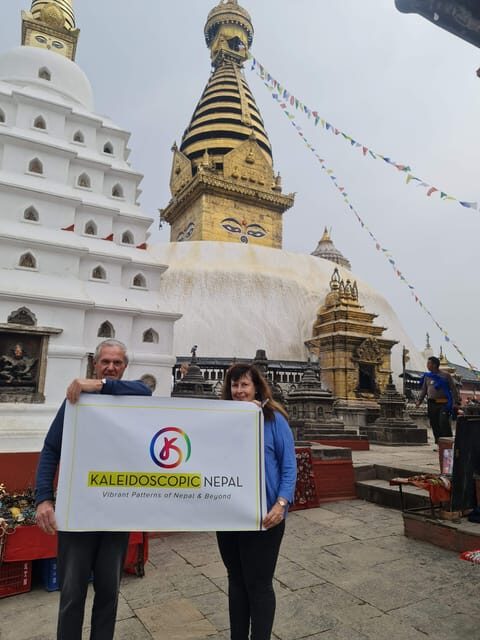
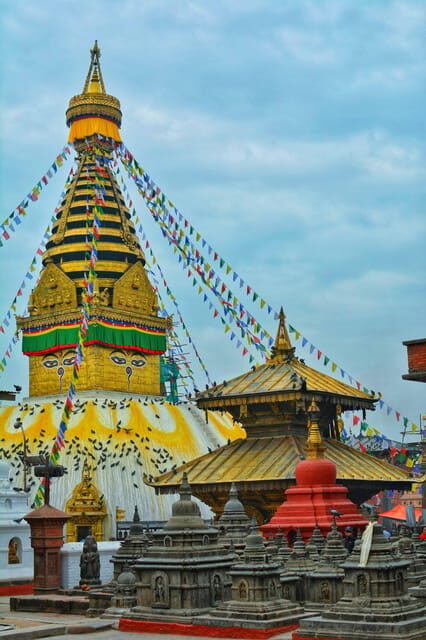
The day begins at Swayambhunath, often called the Monkey Temple. You’ll go with a guided visit and do a walk as you make your way around the stupa area. The standout benefit here is the panoramic view of the Kathmandu valley, which gives you immediate orientation for everything you’ll see later.
You’re not just walking in a loop, either. The guided part matters because the stupa complex and surrounding monasteries can feel like a visual blur if you don’t have a basic storyline. With a guide, you can connect what you’re seeing to what you’re supposed to notice: the symbolism of the stupa setting and the way the site functions as a spiritual anchor for the neighborhood.
What to watch for: the complex involves a lot of moving around, and the day stays active after this stop. If you’re the type who needs long seated breaks to recover, consider pacing yourself early so you don’t hit an energy wall later.
Boudhanath Stupa: One of Nepal’s Largest, With a Serious Feeling of Peace
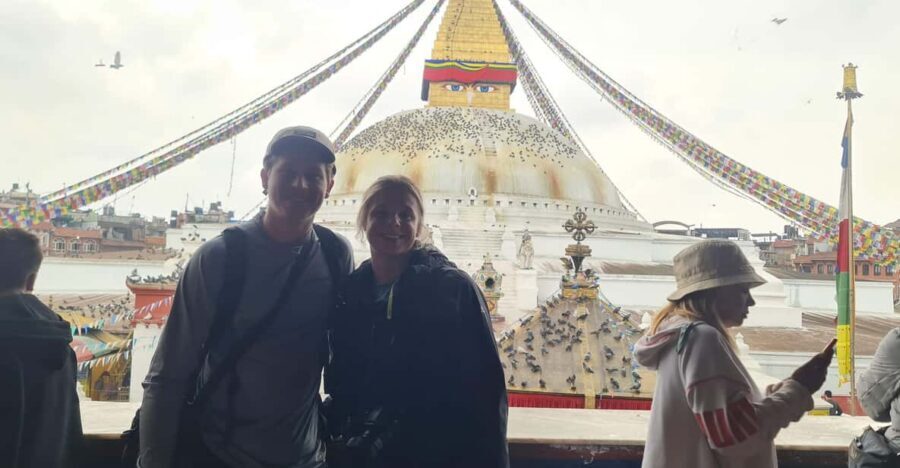
After the early momentum, you head toward Boudhanath Stupa, with guided sightseeing time and scenic walk sections along the way. This is one of Nepal’s largest stupas, and the tour format gives you a chance to see it from more than just a passing angle.
I like how this stop is framed. A big monument can turn into a photo sprint, but the plan includes guided time so you slow down just enough to catch what makes it different. The atmosphere here is described as serene, and that’s one of the reasons this tour’s route works: it offers contrast between busy heritage squares and a calmer religious space.
Practical tip: keep your expectations flexible. Even with guidance, Boudhanath is still a living religious site. If you’re respectful and move at a steady pace, you’ll enjoy it more than if you treat it like an “attraction” checklist.
Kathmandu Durbar Square: Where Temples and the Kumari Ghar Meet
The tour includes Kathmandu Durbar Square, and the key value of this stop is how concentrated it feels. You’ll explore historic temples and the Kumari Ghar, the residence associated with the Living Goddess.
This is a powerful moment in the day because it’s not just architecture. It’s a reminder that heritage here isn’t frozen in time. It’s tied to ongoing cultural and religious life, so your guide’s explanations help you understand why the square matters beyond looks.
Possible drawback: durbar squares can get crowded. If you’re sensitive to tight spaces or you dislike slow moving groups, you might find this segment slightly frustrating. Still, the guided approach helps you get the important parts without wasting time wandering blindly.
Bhaktapur Durbar Square: Royal Palaces, Nyatapola, and the 55-Window Detail
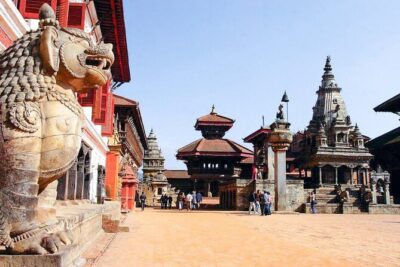
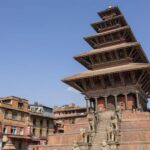
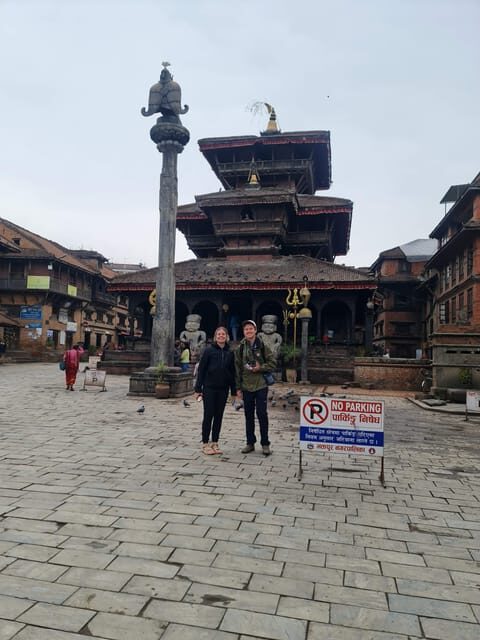
Next comes Bhaktapur Durbar Square, one of the most rewarding heritage shifts in the itinerary. Here you’ll explore the royal palace complex plus major landmarks like Nyatapola Temple and the 55-Window Palace.
I like Bhaktapur in a day like this because it adds texture. Kathmandu’s heritage can feel more intense and fast. Bhaktapur brings you back to scale and detail—exactly what you want after multiple stops with a lot of crowds and movement.
You also get a built-in break: the tour includes a leisurely lunch at a local restaurant in Bhaktapur. That matters. It stops the day from turning into constant walking plus quick snacks that don’t reset your energy.
If you’re short on stamina, do yourself a favor: treat this lunch as a real recovery period, not a quick bite. You’ll need it for the remaining temples later.
You can also read our reviews of more historical tours in Kathmandu


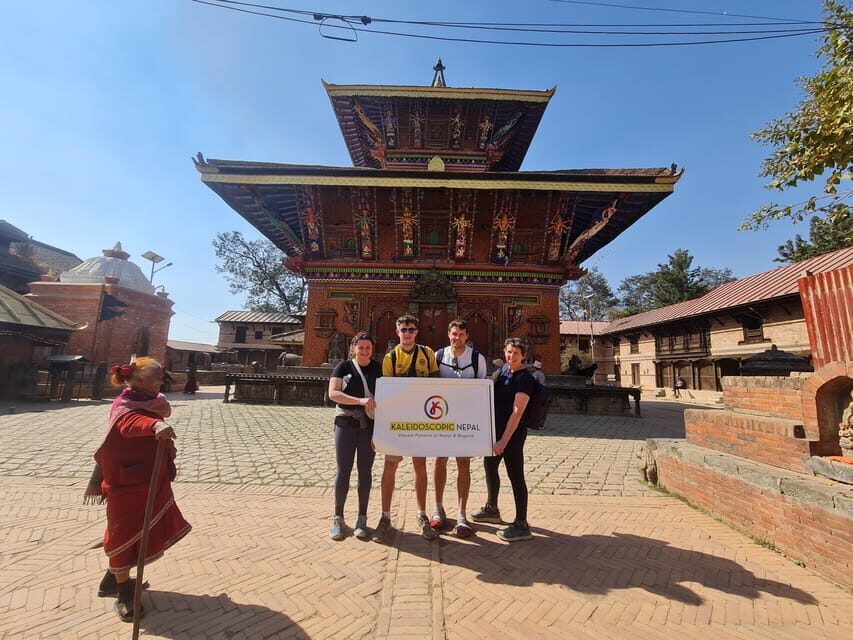
Changunarayan Temple: Ancient Hindu Architecture and Intricate Carvings
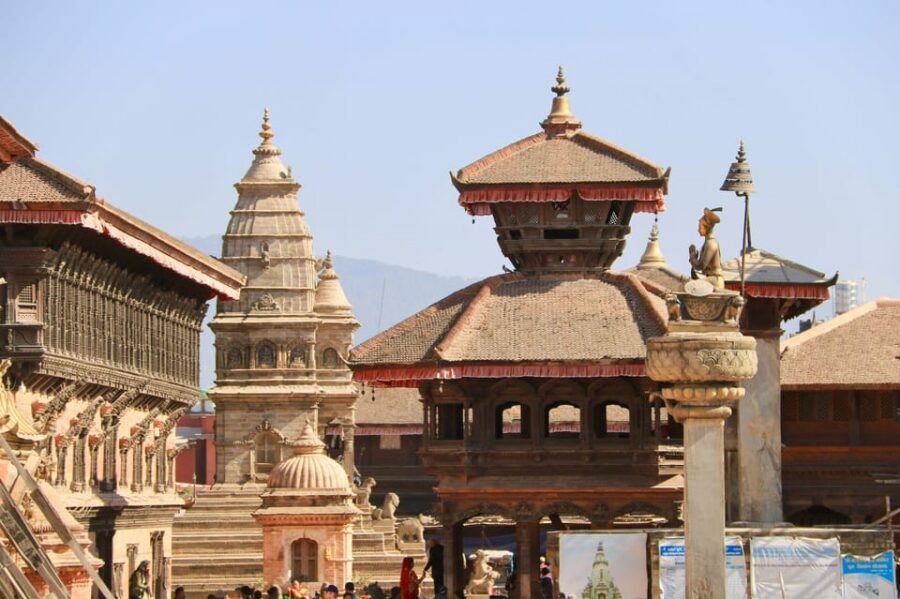
The tour also includes Changunarayan Temple, noted as a UNESCO site recognized for ancient Hindu architecture and intricate carvings. This is a stop that works best when you slow down and look at small details rather than racing to the “big view.”
A guided visit helps here because carvings can look like decorative noise if you don’t know what to focus on. With the tour format, you can learn what makes the architecture and carving style significant, and you’ll appreciate the craftsmanship more than you would on your own.
Consideration: since this is a detail-focused stop, it can take time even if you don’t see it as a long visit. If you’re the type who skims quickly, ask your guide to point out what’s most worth your attention.
Patan Durbar Square and the Golden Temple: Palaces, Temples, and a Photo-Friendly Center
Then you move to Patan Durbar Square, another major heritage hub. The plan includes palaces and temples, plus a visit to the Golden Temple.
This part of the day gives you a nice visual payoff: Patan is known for being very “readable” as a heritage complex, and that makes it easier to enjoy even if you’re starting to feel the length of the day. Your guide helps keep it from becoming just another square by giving you structure—what to see first, what to notice, and why the layout matters.
Practical note: this is another active walking area. Wear comfortable shoes and keep your pace steady. If you keep stopping too often for photos, you may feel rushed in later segments.
Boudha to Pashupati Flow: From Stupa Calm to Riverbank Ritual
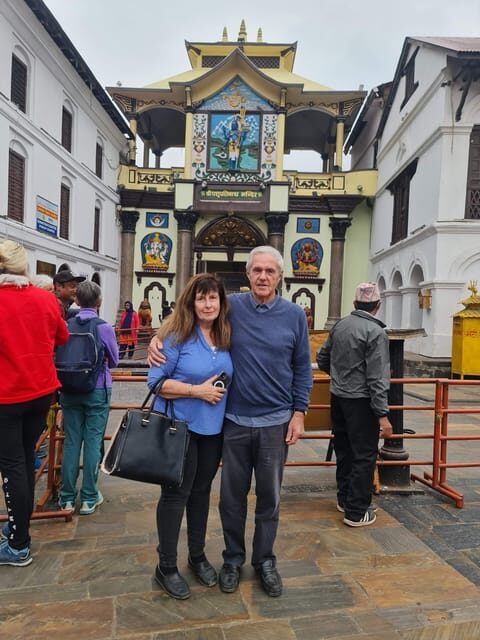
After the major squares and temples, the tour finishes with Pashupatinath Temple. This is described as a sacred Hindu site on the banks of the Bagmati River, and the ending includes an evening aarti ritual on the riverbanks.
This is the emotional payoff for the whole itinerary. You get a shift from architectural heritage and religious monuments into something live and time-specific. The aarti segment is built into the tour, so you’re not left to guess when to show up or how to find a good view among crowds.
What to expect in terms of behavior: you’ll want to be respectful and observant during the ritual. Even if you’re not religious yourself, the best way to enjoy this kind of moment is to watch, don’t interfere.
Transport and drop-offs also matter here. The tour offers three drop-off locations at the end: Pashupatinath Temple, Sorhakhutte, and Thamel. If your hotel is in Thamel, that’s a convenient finish.
Food Tastings and Bottle of Water: Small Inclusions That Save the Day
One of the most practical perks here is the included food tasting: momo (dumplings) and local hog plum candies. It’s not a full meal, but it helps you break up temple visits with something you can actually taste and share your reaction to.
Couple that with the included bottle of water, and you’ll avoid the common Kathmandu problem of constantly searching for small purchases that end up taking your attention away from the sites. It’s a small thing, but on a long day it counts.
If you’re picky with spice, you might still want to ask your guide what to expect with the candies and dumplings before you dive in. The tour keeps it simple, but food in Nepal can be bold.
Tickets, Entrance Fees, and the Budget Reality Check
Entrance fees are not included, and the tour lists the required amounts for key sites:
- Swoyumbhunath (Swayambhunath): 200 Nrs
- Kathmandu Durbar Square: 1000 Nrs
- Bhaktapur Durbar Square: 1800 Nrs
- Changunarayan Temple: 400 Nrs
- Patan Durbar Square: 1000 Nrs
- Boudhanath Stupa: 400 Nrs
- Pashupatinath Temple: 1000 Nrs
That means your total spend will depend on how your day breaks down and what you pay at each counter. Plan to carry cash in Nepali rupees for these fees. Since the meeting point is at the ticket counter at Swayambhunath, you can handle the first chunk early.
The tour also says it helps you skip the ticket line. In practice, that can mean less waiting at the start and smoother transitions between stops. Still, the fees are real, so treat this as part of your Kathmandu heritage budget, not as an optional extra.
The Guide Factor: Why Kashyap Raj Pandit Makes It Worth It
This tour is anchored by the guide, and that’s where private format shines. Your guide is Kashyap Raj Pandit, and the tour runs with live guiding in English and Hindi.
From the way the day is described and the feedback tone, one theme comes through clearly: the guide keeps things moving and can adapt the schedule when the city demands it. Traffic planning is not a small detail in Kathmandu. It affects your time at temples, your energy level, and your patience.
In a day like this, where you’re switching between multiple heritage clusters, a strong guide makes the difference between seeing places and understanding what you’re seeing.
Transportation Choices: Public Segments vs. Private Comfort
The tour offers private or public transport options. The itinerary even notes a public transport segment of about 45 minutes, so your day could include a bit of moving on local transport depending on what you select.
If you choose a transportation add-on, the idea is simple: fewer hassles between sites and easier transitions when streets get clogged. A smoother route is especially helpful when you’ve got a long list of stops and you want more time at monuments, not less.
If you’re doing the public option, you’ll likely get more local movement in the mix. That can be rewarding, but you’ll need to stay flexible and accept that the day can feel less controlled.
Who This Tour Suits Best (And Who Might Want Something Slower)
This full-day UNESCO circuit is a great match for you if:
- You have limited time in Kathmandu and want major sites in one day
- You prefer a guide to set order and meaning for the places you’ll visit
- You like a mix of Buddhist and Hindu sites, plus a ritual ending on the Bagmati River
You might want to consider a slower day or different pacing if:
- You don’t enjoy walking and crowded heritage areas
- You hate paying multiple entrance fees spread across several monuments
- You need lots of long breaks to stay comfortable
Should You Book This Kathmandu 7-UNESCO Tour?
I’d book it if you’re time-limited and you want the Kathmandu heritage highlights connected by a real guide, not random tickets and guesswork. The included food tasting and water are nice, and the ending at Pashupatinath with the evening aarti is the kind of experience that often makes long travel days feel worth it.
I would hesitate only if entrance fees and a packed schedule would stress you out. If that’s you, you might still enjoy the route, but you’ll want to plan your budget carefully and go in with comfortable-shoe stamina.
If you’re the type who likes structure, this tour gives it. If you’re ready to do a lot in one day, it’s a strong value way to see Kathmandu’s UNESCO core.
FAQ
What sites are included in the Kathmandu 7 UNESCO Heritage Gems tour?
The tour visits Swayambhunath Stupa, Kathmandu Durbar Square, Bhaktapur Durbar Square, Changunarayan Temple, Patan Durbar Square, Boudhanath Stupa, and Pashupatinath Temple.
How long is the tour?
The duration is listed as 8 hours.
Are entrance fees included?
No. Entrance fees are not included, and the tour lists amounts in Nrs for each site (including Swayambhunath, Kathmandu Durbar Square, Bhaktapur Durbar Square, Changunarayan Temple, Patan Durbar Square, Boudhanath Stupa, and Pashupatinath Temple).
What food is included in the tasting?
You get a local food tasting that includes momo (dumplings) and hog plum candies.
Do you get a guide, and what languages are offered?
Yes, you have a live tour guide. The tour offers English and Hindi.
Is pickup available?
Pickup is optional. The tour notes that you can be picked up from your hotel.
Can I cancel, and what is the cancellation rule?
The tour offers free cancellation up to 24 hours in advance for a full refund.