REVIEW · GUIDED
Best of Kathmandu : Private Guide, Car & Personalized Tour
Book on GetYourGuide →Operated by Enticing Himalayas Travels Private Limited · Bookable on GetYourGuide
Kathmandu in one day can feel like magic. This private tour turns the usual list of sights into a route built around you, led by a certified local guide who can work in your chosen language. What I love most is the personalization—you set the pace for temples, viewpoints, and streets—and it still hits the major UNESCO anchors like Boudhanath and Swayambhunath.
Best of all, you can ride comfortably by private car or cut down on vehicle time with scenic walks, then refuel with Newari cuisine at smaller, local places. I’m also a fan of how guides steer the day with real stories; Pranav’s patient, question-friendly approach and Karma’s heartfelt explanations make the monuments feel more human. One thing to plan for: entrances and lunch are usually extra, and the day is active enough that you’ll want good shoes and a basic rain/heat plan.
In This Review
- Key things I’d focus on before you go
- A private day in Kathmandu Valley that actually feels personal
- Your route through the UNESCO anchors: squares, stupa, and temple areas
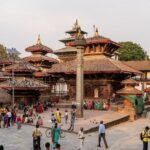
- Durbar Square areas: where Kathmandu shows its architecture up close
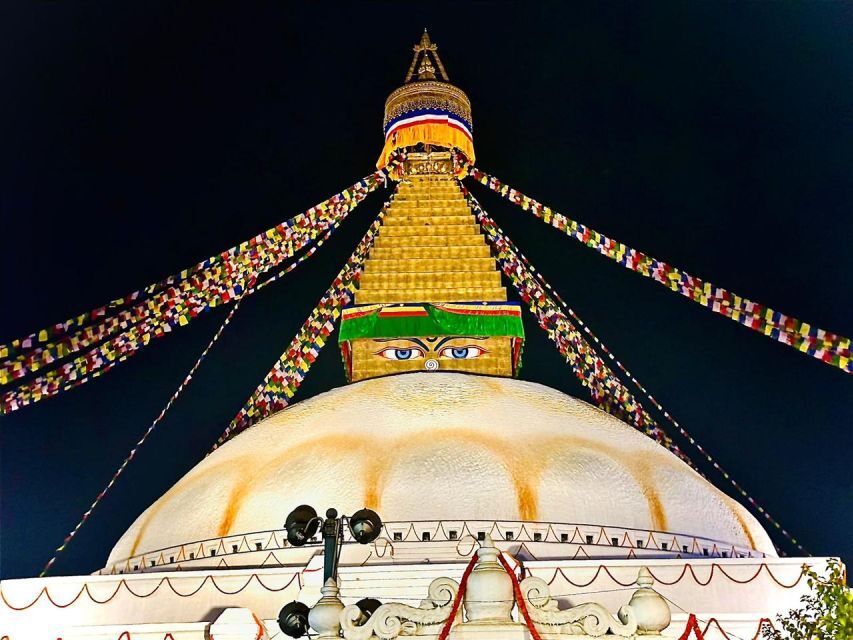
- Boudhanath Stupa: one of the big spiritual magnets
- Pashupatinath Temple: sacred space with powerful atmosphere
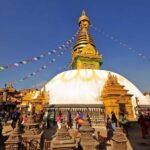
- Swayambhunath Stupa: the hilltop stupa with layers of meaning
- How the walking time actually helps you see the city
- Bagmati zone and a traditional village stop: the day beyond the postcard
- Off-the-beaten-path options and sunrise/sunset viewpoints
- Newari food during the tour: plan for real meals, not just snacks
- Price and value: what $61 buys you (and what it won’t)
- Who this tour suits best, and where it may not
- Should you book this private Best of Kathmandu day?
- FAQ
- FAQ
- What’s the duration of the Kathmandu tour?
- Is this tour private or shared?
- Do I get a guide in English?
- Are entrance fees included?
- Is lunch included?
- Can I skip the ticket line?
- Is the tour accessible for wheelchair users?
- Can I cancel for a full refund?
- What should I bring?
Key things I’d focus on before you go
- Certified guide + language option so you can ask questions and actually understand what you’re seeing
- UNESCO-heavy route with major stops tied together in one logical day
- Private car or walking choices that help you match comfort and budget
- Morning or evening hill viewpoints as an option if you want sunrise or sunset views
- Local food during the tour, not just after you’re exhausted
- Skip-the-ticket-line when available, so you don’t lose time to queues
A private day in Kathmandu Valley that actually feels personal
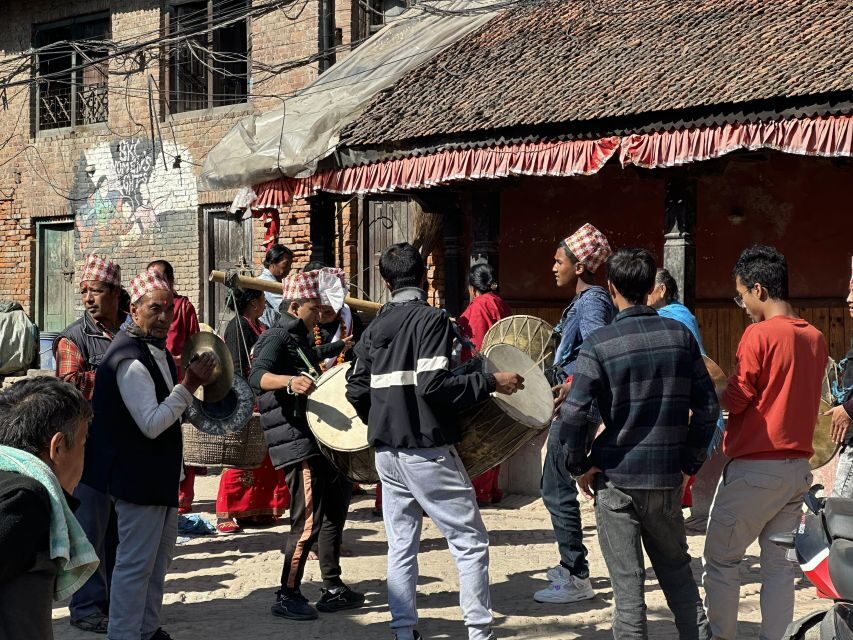
The difference with this tour is simple: you’re not stuck with a fixed script. You start with a certified local guide, and you can shape the order and emphasis—heritage temples, city squares, photo stops, neighborhoods, viewpoints, and even shopping time. If you know what you want (or you’re not sure yet), you get help choosing.
I like the way the plan stays flexible. One day can lean iconic—Durbar Square areas, Boudhanath, Pashupatinath, and Swayambhunath—or it can skew toward quieter places like Kritipur, Sankhu, Thimi, Khokana Village, Pharping, Nagarkot, or Dhulikhel. That flexibility matters in Kathmandu because the best moments often happen on the way, not only at the headline monuments.
The tour is also built as a private group, so you’re not fighting for attention. That turns the guide’s job from reciting facts into explaining what you’re actually looking at—why the carvings matter, what rituals look like, and how the city’s spiritual traditions share space.
You can also read our reviews of more guided tours in Kathmandu
Your route through the UNESCO anchors: squares, stupa, and temple areas
You can expect a full-day mix of UNESCO monument zones and landmark stops. The biggest names you’ll likely cover include the Durbar Square areas (Kathmandu, Patan, and Bhaktapur), plus Boudhanath Stupa, Pashupatinath Temple, and Swayambhunath Stupa. Even when your exact order changes with your interests, the logic stays the same: squares first to get oriented, then major sacred sites, then neighborhood time.
Durbar Square areas: where Kathmandu shows its architecture up close
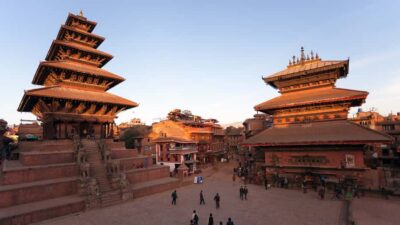
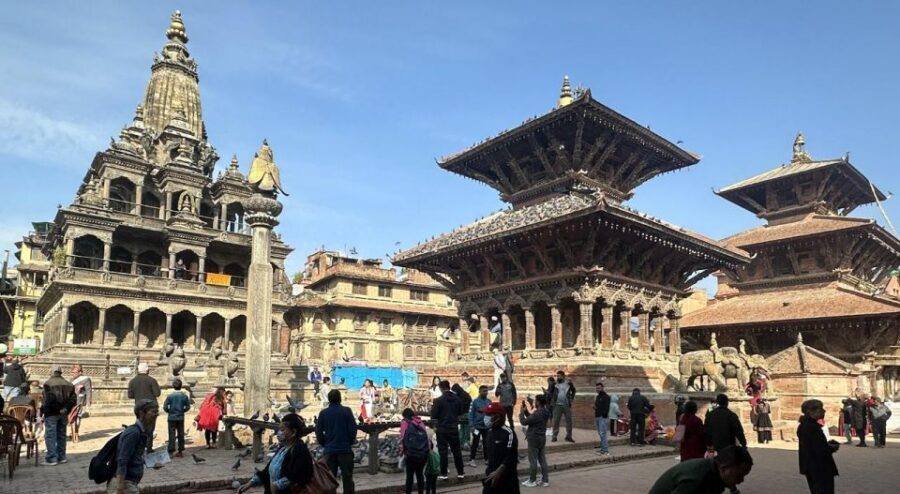
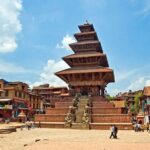
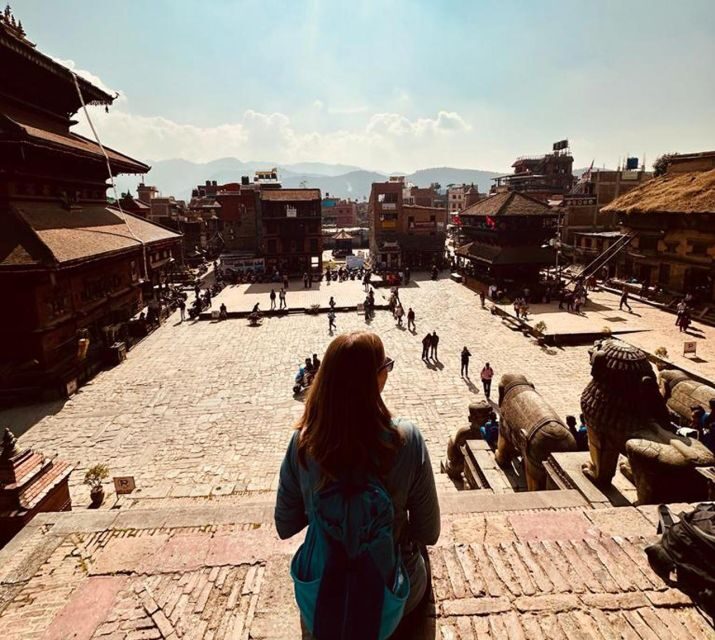
Durbar Squares are where the city feels most like a living museum. You’ll spend time walking, pausing for photos, and looking closely at the temples, courtyards, and stonework that reflect older royal-era design. This is also where your guide’s storytelling adds value, because you can connect the carvings and layout to what people used to do there.
A practical note: these areas are active and busy. It helps if your guide sets expectations early—where to stand for the best views, which lanes to move through slowly, and how to navigate crowds respectfully.
Boudhanath Stupa: one of the big spiritual magnets
Boudhanath is the kind of stupa where your eyes keep traveling. You’ll likely have time for photos and guided explanations, plus a bit of free time. The real payoff here is watching how the space is used by visitors and local practitioners, which your guide can frame in plain language.
If you’re sensitive to long periods of standing, ask your guide to build in more breaks. This stop can be long, not because it has to be, but because it’s visually hard to leave.
Pashupatinath Temple: sacred space with powerful atmosphere
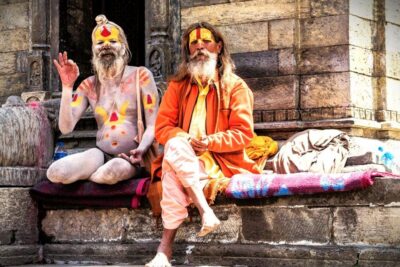
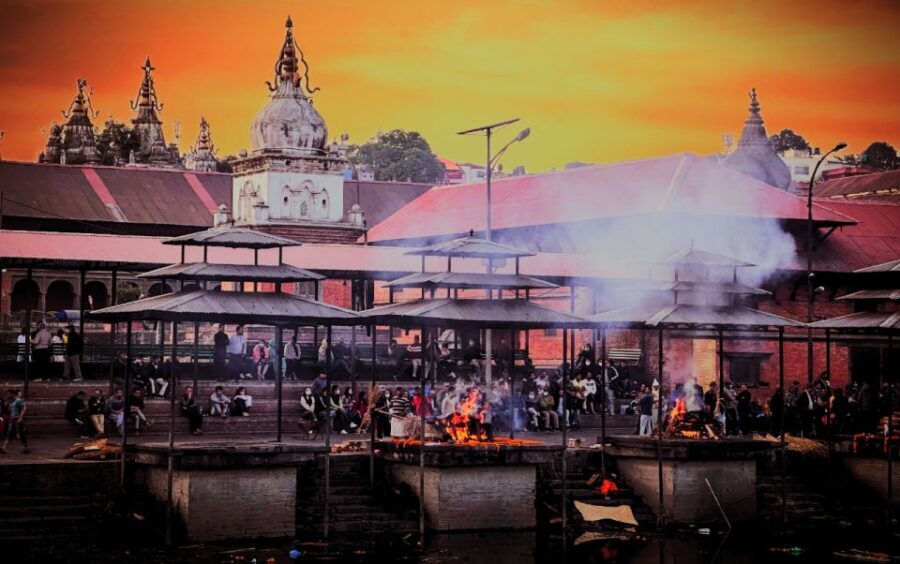
Pashupatinath is central to Hindu devotion in Kathmandu. Your guide can explain what you’re seeing and how to behave appropriately around a functioning holy site. Expect walking, viewpoints along the way, and more time on the edges of the complex than you might get on a rushed group tour.
Because this is an active religious place, you’ll want to keep your pace steady and comfortable. If you want a calmer experience, say so during the itinerary planning.
You can also read our reviews of more private tours in Kathmandu

Swayambhunath Stupa: the hilltop stupa with layers of meaning
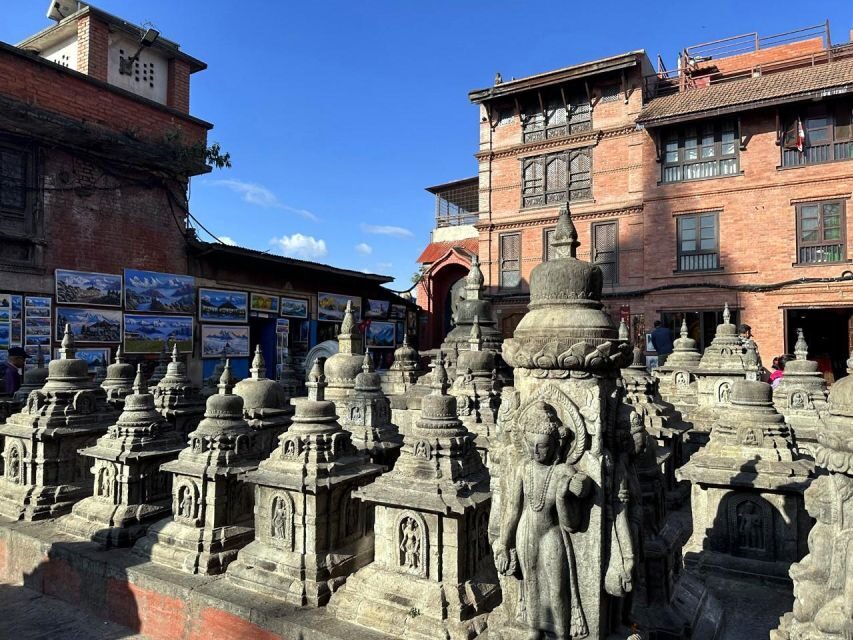
Swayambhunath sits above the city, and the approach alone can feel like a small pilgrimage. You’ll have guided time plus opportunities for photos and sightseeing. This stop tends to satisfy both types of visitors: the architecture lovers and the spirituality-curious.
Bring your patience for the stairs and pathways. If you want to keep energy high, ask your guide to prioritize viewpoints where you can see the city’s layout.
How the walking time actually helps you see the city
This tour includes a mix of on-foot segments and vehicle time. The early part of the day includes walking around the city core—time for break, photos, street scenes, and market browsing—so you’re not just transferring between monuments. Then you spend more time moving through the broader Bagmati zone area, with scenic drives, more photos, and guided explanations.
Why this matters: Kathmandu can be disorienting if you’re relying only on maps. A guide gives you a sense of direction fast—what area you’re in, what’s culturally important there, and how to get from place to place without wasting effort.
If you’re trying to save money on transportation, this is where your choices count. The tour description makes it clear you can opt for road transport to reduce transportation costs and you can also cut vehicle time if you’re comfortable walking. That means you can dial the day toward sightseeing intensity or toward comfort.
Bagmati zone and a traditional village stop: the day beyond the postcard
After the first core walking stretch, the tour spends a long block on the Bagmati zone with a blend of photo stops, guided time, shopping, scenic views from the route, and self-guided moments. This kind of pacing works because it lets you shift gears: listen to your guide, then absorb the streets on your own for a little while.
Later, you’ll likely include time for a traditional village experience, plus arts-and-crafts market time. That part tends to be less about a single monument and more about how everyday life looks—handicrafts, small commercial lanes, and the texture of community spaces. If you want to understand Kathmandu beyond heritage sites, this is a useful segment to keep.
One practical consideration: village areas and markets can mean lots of foot traffic and frequent stops. Wear shoes you can trust, because you’ll probably end the day with sore feet even if you’re not doing “long hikes.”
Off-the-beaten-path options and sunrise/sunset viewpoints
One of the best values here is choice. You can pick a mainly iconic day (Durbar Squares plus the big stupas and temples) or choose a route that swaps some of the main-city stops for quieter places.
Options that can shape the day include:
- Off-the-beaten areas like Kritipur, Sankhu, Thimi, Khokana Village, Pharping, Nagarkot, and Dhulikhel
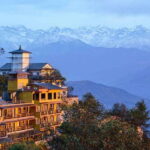
- A sunrise or sunset viewpoint from nearby hills, if you want scenery and fewer crowds
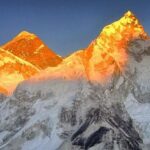
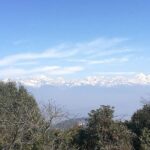
If you like photography, this matters. Viewpoints add a different kind of understanding: you see why Kathmandu’s valleys and hilllines look the way they do, and you get a sense of distance between spiritual sites and neighborhoods.
If you hate early wake-ups, you can still enjoy hill views during daylight hours, but sunrise/sunset options depend on your chosen plan. Tell your guide your comfort level up front so the day doesn’t feel like a compromise.
Newari food during the tour: plan for real meals, not just snacks
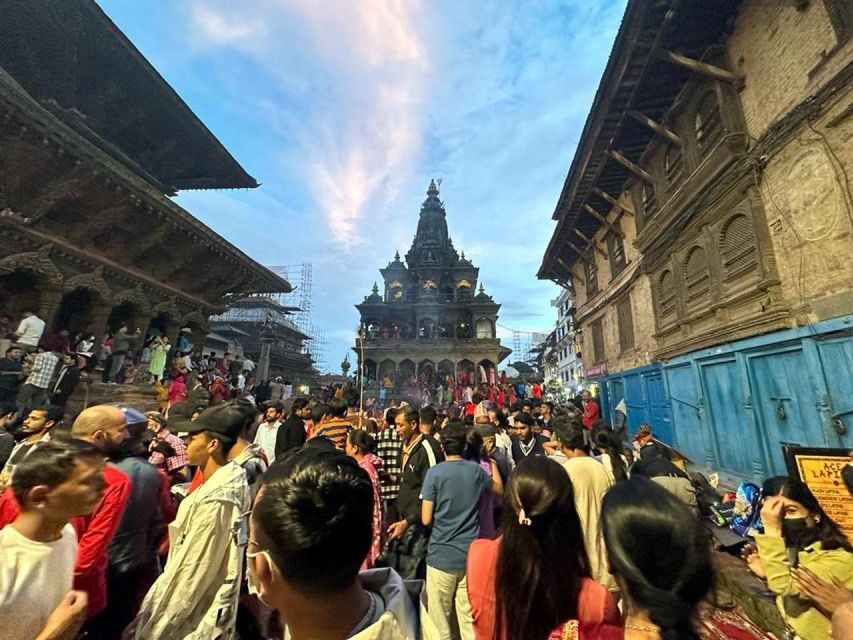
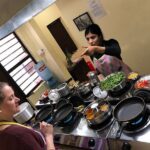
Food isn’t an afterthought with this experience. The itinerary includes street-food time and food market visits, and there’s also an optional chance to choose local dishes with your guide—specifically Newari cuisine.
I find this approach works because your guide can steer you toward places that match your comfort level (spice, seating, busy vs. calmer streets). It also helps you avoid the common mistake of eating something bland or too touristy after a long day of temples.
Two practical things to remember:
- Lunch is not automatically included unless you ask to include it.
- Bring water and expect to drink more than you think, especially if you’re walking in warm hours.
When you build your food stops into the schedule, you end up enjoying the day more. You’re not constantly guessing where to eat, and you’re not losing time hunting while everyone’s already hungry.
Price and value: what $61 buys you (and what it won’t)
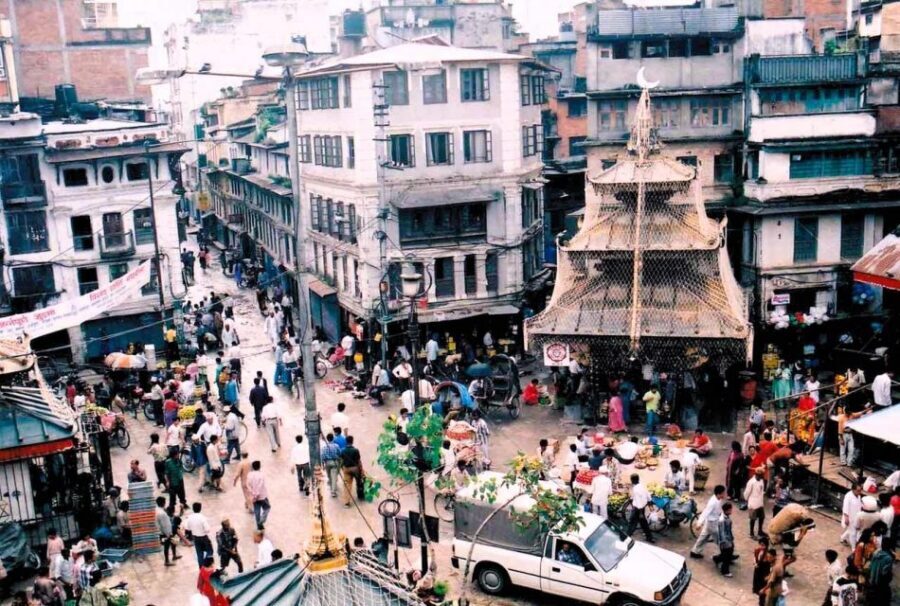
At $61 per person for a private day, this is aiming for good value in Kathmandu. You’re not paying only for driving. You’re paying for a certified local guide, a full-day structure, and itinerary flexibility that can fit how you like to travel.
Here’s the honest math of what to expect:
- Included: guide, a full-day experience across UNESCO heritage sites in the Kathmandu Valley, and transportation options (car or walking strategy).
- Not included: entrance fees for specific sites, and personal food and beverage costs unless you arrange lunch.
So the total price depends on entrances and how you handle meals. Still, if you’re the type who wants explanations (not just photos), the guide time often ends up being the best part of your Kathmandu budget.
Also, the tour includes ticket-line skipping where applicable and mentions support from tour managers to book tickets you want. That’s small, but in a place like Kathmandu, saving time on entry can make the day feel smoother.
Who this tour suits best, and where it may not
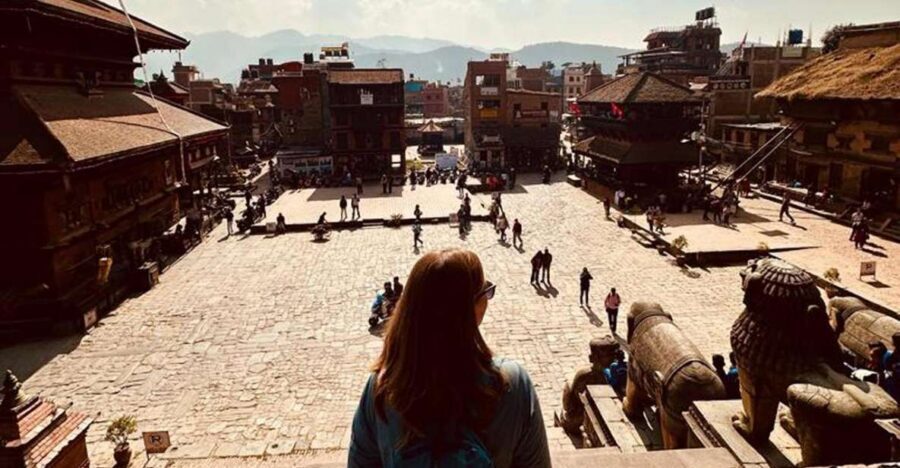
This tour fits best if you want:
- A private day with room to adjust the plan
- A guide who can speak English and tailor your interests
- A full-day mix of major heritage sites plus more local neighborhoods and markets
- A balance of vehicle comfort and walking (your choice)
It may be less ideal if you want a very relaxed pace with minimal walking. The day includes on-foot segments, stairs, and temple-area movement, and the tour notes that it runs regardless of weather conditions. If you’re traveling with mobility limitations, it’s listed as wheelchair accessible, but it’s still a good idea to tell the provider what “accessible” means for you (steps, long distances, and uneven surfaces can still be an issue even with access plans).
Should you book this private Best of Kathmandu day?
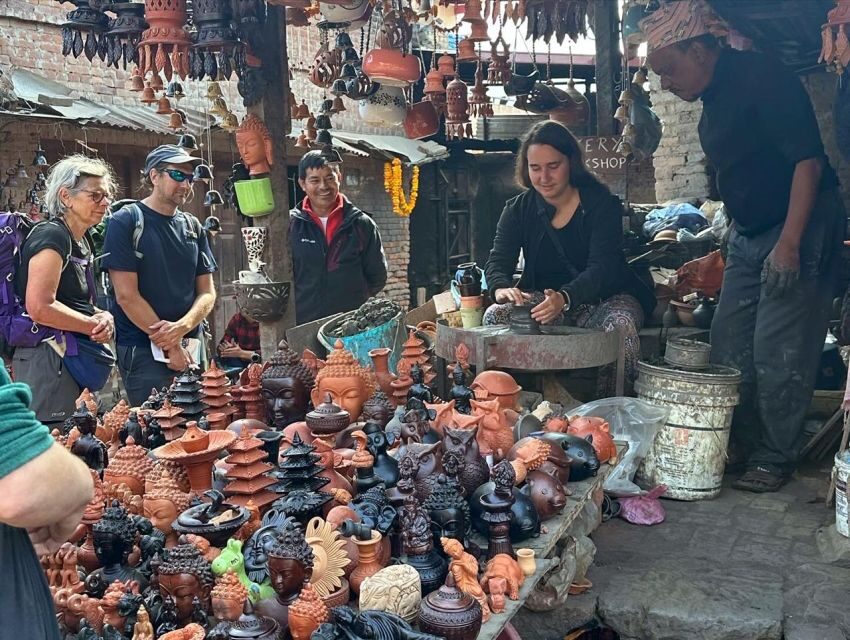
If you want a one-day overview that still feels thoughtful, I’d book it—especially if you like the idea of a certified local guide who can match your language and your pace. The mix of Durbar Square areas, Boudhanath, Pashupatinath, and Swayambhunath gives you the “why” behind Kathmandu’s spiritual landscape, while the markets and traditional village time help you understand the city beyond monuments.
Book it if:
- You’re okay with an active day and want guide-led context
- You’re interested in UNESCO sites but also want food and streets
- You want flexibility: iconic day vs. off-the-beaten choices vs. sunrise/sunset viewpoints
Hold off if:
- You need a fully sedentary itinerary
- You don’t want to budget extra for entrances and meals
- You prefer very small-scope tours focused on just one neighborhood
FAQ
FAQ
What’s the duration of the Kathmandu tour?
The experience is listed as a 1-day tour, with an 8-hour full-day schedule.
Is this tour private or shared?
It’s a private group experience.
Do I get a guide in English?
Yes. The tour includes a live tour guide in English, and the guide is certified and proficient in the language options listed for the booking.
Are entrance fees included?
No. Entrance fees to specific sites like museums or heritage sites are not included.
Is lunch included?
Lunch is not included in the package unless you ask to include it.
Can I skip the ticket line?
The tour notes skip the ticket line.
Is the tour accessible for wheelchair users?
Yes, it is listed as wheelchair accessible.
Can I cancel for a full refund?
Yes. The tour offers free cancellation up to 24 hours in advance for a full refund.
What should I bring?
Wear comfortable shoes and comfortable clothes, and bring water, sunscreen, and a charged smartphone. You should also have your passport or an ID card copy for identification.