REVIEW · EVEREST BASE CAMP TREKS
Everest Base Camp Trek 15 Days
Book on Viator →Operated by Sherpa Expedition & Trekking · Bookable on Viator
Everest Base Camp makes the whole body wake up. This trek ties together Everest views, Sherpa villages, and Buddhist monasteries, with nights spent in warm, clean lodges as the mountains change in front of you. It’s also built for real-world comfort: included meals and even a sleeping bag and duffel bag mean you’re not scrambling for gear on arrival.
I really like two things here. First, the focus on Sherpa traditional villages and customs gives the trek a human center, not just a checklist. Second, the way the team emphasizes comfort and support comes through, especially in the praised guidance of Lakpa and Pasang, plus the care shown by porters like Neema and Kumar.
One consideration: you’ll be trekking with altitude in the mix, since Everest Base Camp sits at 5,364m, and the route requires at least moderate physical fitness. Add weather as a factor too, and you’ll want to be mentally flexible.
In This Review
- Key highlights that make this trek tick
- From Chaksibari Marg to the trail: early start and private-group flow
- 15 days of altitude work: fitness, pacing, and how support helps
- Sherpa villages and Buddhist monasteries: the culture thread that keeps you human
- Alpine rhododendrons, pine forests, and the Khumbu icefall: scenery changes are the real challenge
- Lodge nights and included meals: comfort that keeps your trek going
- The human engine: guides and porters who get high marks
- Price and value: what $2,400 covers (and what you still must budget)
- What to plan for in real life: timing, weather, and altitude reality
- Who this Everest Base Camp trek suits best
- Should you book? My straight answer
- FAQ
- Where does the Everest Base Camp trek start and end?
- What time does the trek start?
- How long is the trek?
- Is pickup included?
- What is included in the price?
- What is not included?
- Do I need to be very fit?
- Is this a private tour?
- What happens if weather is poor?
Key highlights that make this trek tick
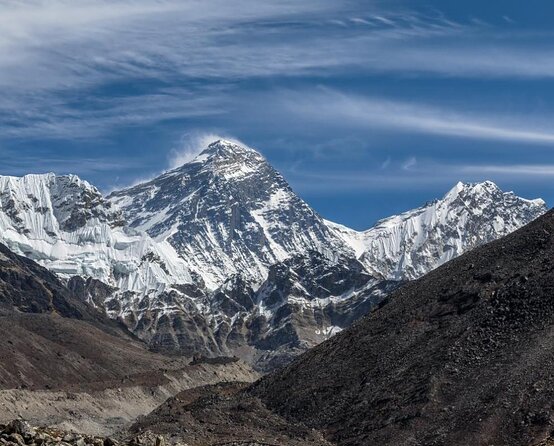
- Everest Base Camp at 5,364m as the big goal, not a side quest
- Sherpa culture and Buddhist monasteries built into the journey, not tacked on
- Clean, scenic lodges for warm nights when your legs are done
- Included meals plus gear (sleeping bag and duffel bag) to simplify your packing
- Guides and porters named in standout feedback for safety focus and hands-on support
- Private tour so your pace and needs matter to your group alone
From Chaksibari Marg to the trail: early start and private-group flow
Your trek begins in Kathmandu at the Sherpa Expedition And Trekking office on Chaksibari Marg (44600). Start time is listed as 6:15 am, which means you’ll want to treat the morning like a mission: get up, get fed, and be ready to move. Pickup is offered, so if you’re staying somewhere convenient, it can cut down on pre-trek stress.
This is also a private tour/activity, meaning it’s only your group. That matters more on a trek than you’d think. Less waiting around, fewer mismatched paces, and more control over how quickly you can adapt day-to-day.
One small practical detail: the meeting area is described as near public transportation. So even if pickup isn’t ideal for your hotel location, you still have options to get there without turning it into a logistics puzzle.
You can also read our reviews of more hiking tours in Kathmandu
15 days of altitude work: fitness, pacing, and how support helps
This experience is described as requiring moderate physical fitness. That’s a useful benchmark, because Everest Base Camp isn’t about speed—it’s about being steady enough to keep moving while your body adapts.
What you can’t ignore is that the final goal is high: 5,364m. The good news is that support is part of the design. In the feedback tied to this operator, guides like Pasang and others are singled out for paying close attention to how people are handling altitude and staying safe while progressing.
That doesn’t mean altitude is automatically easy. It means you’re more likely to get thoughtful pacing rather than a one-size-fits-all march. Your best move: be honest about your fitness before you go, and let the guide know quickly if your breathing, sleep, or energy feels off.
Sherpa villages and Buddhist monasteries: the culture thread that keeps you human
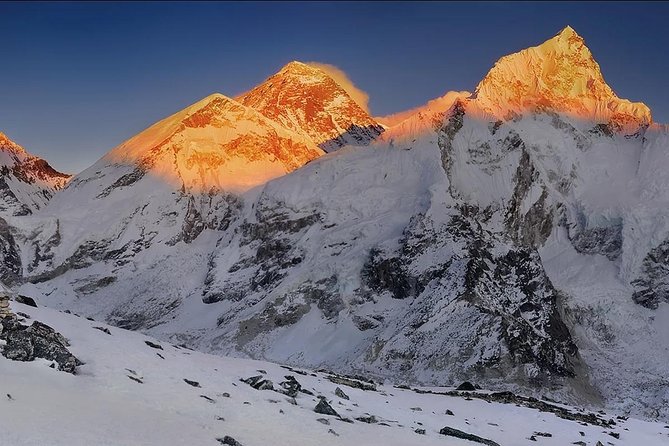
One of the best reasons to choose an Everest Base Camp trek like this is that it doesn’t treat culture as decoration. You’ll be exploring Sherpa traditional villages and learning about Buddhist culture and customs along the way.
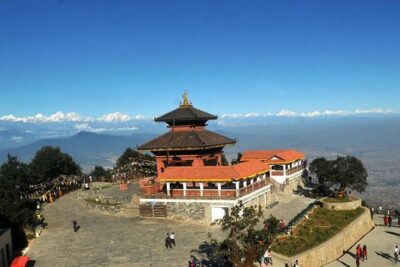
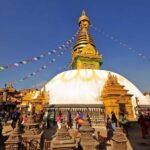
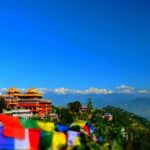
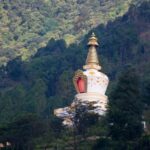
You also visit old heritages and interesting monasteries with dramatic high-peak backdrops. That’s not just scenic—it helps explain why people live (and trek) in this region the way they do. Even if you’re mostly chasing mountain views, this part of the route gives you context for the rituals, daily life, and values you’ll notice as you pass through.
If you care about more than photos—if you want to understand what you’re walking through—this cultural focus is the right fit.
Alpine rhododendrons, pine forests, and the Khumbu icefall: scenery changes are the real challenge
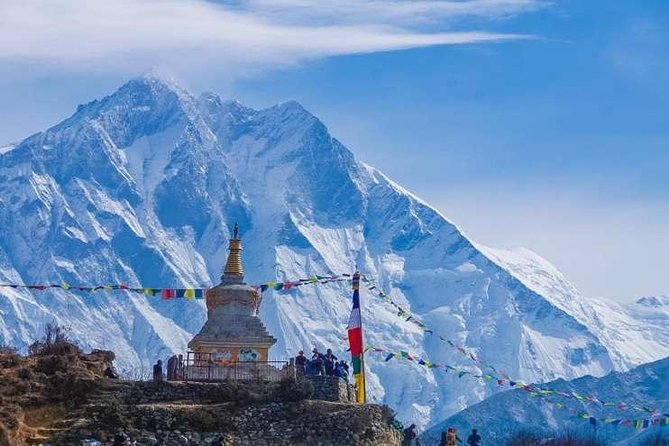
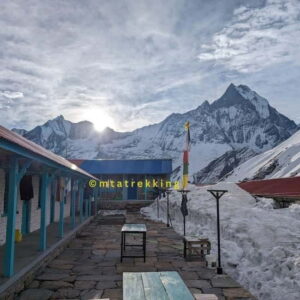
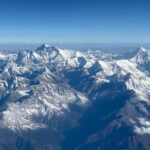
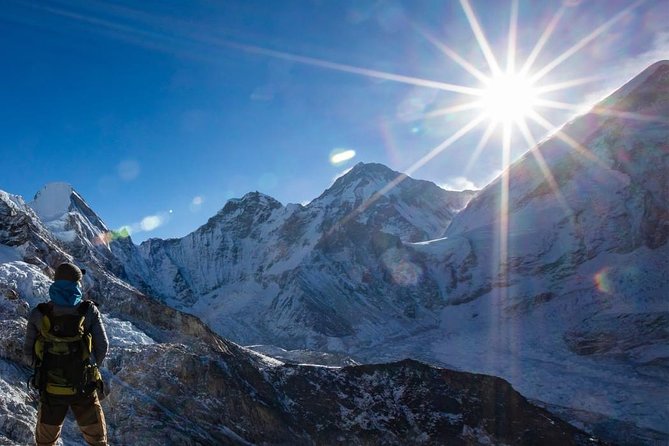
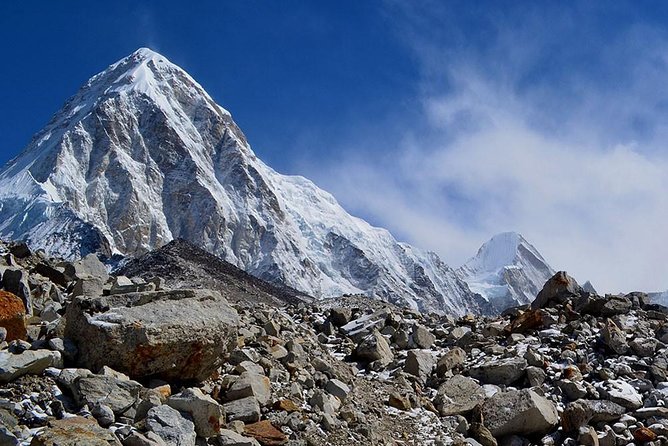
Expect dramatic shifts in what you’re seeing and feeling. The trek description includes alpine rhododendrons and pine forests, then moves into harsher, barer terrain where the Khumbu icefall glaciers come into view.
This kind of scenery swing matters because it changes conditions. Forest sections often mean cooler shade and a steadier walking rhythm. Icefall and glacier-adjacent areas tend to feel more exposed and visually intense—great for your camera roll, but also a reminder that you’re in a serious mountain environment.
A practical tip that doesn’t require guesswork: bring layers. Your comfort will depend on how quickly the temperature and sun change as you move from forested sections toward colder, more barren stretches.
Lodge nights and included meals: comfort that keeps your trek going
The itinerary is built around spending your nights in the warmth and comfort of clean scenic lodges. That’s the kind of detail that sounds small until you’re several days in and your legs are done. Warm lodging helps your sleep, and better sleep makes the next hiking day easier to manage.
Meals are included: breakfast, lunch, and dinner. That’s a big value lever because it reduces decision fatigue. You’re not hunting for food spots mid-trek; you’re eating as part of the plan.
What’s not included matters too. Alcoholic beverages, soda/pop, and snacks are listed as not included. So if you like a drink with dinner (totally fair), budget for it separately and don’t expect it to be covered.
Also, because meals are included, it’s smart to mention any dietary needs early. The trek will run on timing, and you’ll want your food to match that rhythm.
The human engine: guides and porters who get high marks
This is one of the strongest themes in the feedback: the people. Named guides include Lakpa and Pasang, along with Buddha Tamang, and others such as Gumbo and Tendi. Porters are also praised by name—Neema, Pasang’s porter support role as mentioned, Kumar, and more.
What people seem to value most is more than friendliness. They mention real competence: guides guiding with care, porters providing above-and-beyond support, and attention to physical condition and altitude adaptation. That’s a big deal when you’re working at high elevation where you can’t just push through bad feelings.
There’s also a logistics-and-communication angle. Ram is mentioned for clear logistics ahead of time and for flexibility—meeting at the hotel later when flights into Kathmandu were delayed. That kind of responsiveness helps you start the trek calmer, and that sets the tone for everything after.
Bottom line: with Everest trekking, your guide isn’t a background role. In the best versions of this trip, they’re the difference between stressed and steady.
Price and value: what $2,400 covers (and what you still must budget)
At $2,400 per person, this isn’t a budget stroll. But the value case here is that quite a bit is bundled in. Your price includes dinner, breakfast, and lunch, plus a sleeping bag and duffel bag. It also covers all fees and taxes, which can quietly add up in travel that’s heavy on permits and logistics.
The parts not included are clearly listed:
- Nepal visa
- Travel insurance
- Tips for guide/porter
- Alcoholic beverages
- Soda/pop
- Snacks
So the smart way to judge value is to add those likely costs on your side before you compare to other options. If you’re someone who prefers having meals and key gear handled, and you want a private-group experience with strong people-power, the package pricing starts to look more reasonable.
What to plan for in real life: timing, weather, and altitude reality
The trek requires good weather. If weather cancels it, you’ll either get a different date or a full refund. That means you shouldn’t book this as the one trip you can’t move.
You should also know there’s a minimum number of travelers. If the minimum isn’t met, you’ll be offered another date/experience or a full refund. For planning, build in some flexibility around your Kathmandu schedule.
Finally, start time is early (6:15 am). Even if you’re excited, treat the first day like preparation. You’re going from city rhythm to mountain rhythm fast.
Who this Everest Base Camp trek suits best
This trek fits you best if:
- Everest Base Camp is your bucket-list goal and you want it handled with a professional team
- You care about Sherpa culture and monasteries, not only top-of-mountain views
- You want a private-group setup so pacing and needs can stay consistent
- You’d rather have core trekking gear handled (sleeping bag and duffel bag) and meals built in
It may not fit if:
- You’re unwilling to commit to moderate fitness needs
- You want alcohol, snacks, or soda included in the price
- You don’t like the idea of weather-dependent scheduling in the Himalayas
Should you book? My straight answer
I’d book this trek if you want a classic Everest Base Camp experience that blends the big mountain goal with Sherpa village life, Buddhist monasteries, and lodge comfort. The included meals and sleeping gear lower your hassle factor, and the strong emphasis on guide and porter care is exactly what you want when altitude is part of the deal.
If you’re fit enough, comfortable with possible weather shifts, and okay budgeting for visa/insurance/tips and drinks, this is a solid way to do the Everest goal without turning it into logistics work.
FAQ
Where does the Everest Base Camp trek start and end?
The trek starts at Sherpa Expedition And Trekking, Chaksibari Marg, Kathmandu 44600, Nepal, and it ends back at the same meeting point.
What time does the trek start?
The start time is listed as 6:15 am.
How long is the trek?
The duration is approximately 15 days.
Is pickup included?
Pickup is offered.
What is included in the price?
Dinner, breakfast, and lunch are included, along with a sleeping bag and duffel bag. All fees and taxes are also included.
What is not included?
Not included are Nepal visa, insurance, tips for guide/porter, alcoholic beverages, soda/pop, and snacks.
Do I need to be very fit?
The trek is for people with at least a moderate physical fitness level.
Is this a private tour?
Yes. It’s listed as a private tour/activity, and only your group participates.
What happens if weather is poor?
This experience requires good weather. If it’s canceled due to poor weather, you’ll be offered a different date or a full refund.
If you want, tell me your travel month and fitness level (and whether you’re going solo or with a group), and I’ll help you sanity-check whether the timing and pacing style will work for you.