REVIEW · HIKING & TREKKING
Langtang Valley Trek
Book on Viator →Operated by Nepal High Trek & Expedition Pvt. Ltd · Bookable on Viator
Langtang Valley Trek is one of the easier ways to get real mountain time in Nepal, without cramming in extreme altitude. I like that it’s moderate and beginner-friendly, with a gradual rhythm through forests, rivers, and villages. You also get a lot of support baked in: a government-licensed mountain guide for the full trek, permits for Langtang National Park plus TIMS, and hot drinks and meals along the way. One thing to think about up front: the days can still feel long once you factor in driving and steady walking, so you’ll want decent fitness before you sign up.
The best part is how the trip is built around momentum: early Kathmandu pickup, a drive north to Syabrubesi, then foot travel that slowly rises toward Langtang village and the big view goal of Kyanjin Gompa. I also like the value angle for $555, because food, lodging during the trek, and the required permits are included rather than tacked on later. The only real drawback is that optional extras, like a porter or private jeep, cost extra.
In This Review
- Key highlights to know before you go
- Why Langtang Valley is a smart first Himalayan trek
- Price and value: what $555 per person really buys
- Getting there from Kathmandu: the Syabrubesi drive is part of the experience
- Entering Langtang National Park: rivers, farms, and forest breathing room
- Langtang village approach: the river upstream feeling
- Kyanjin Gompa day: where the trek turns into a destination
- The valley day and the return to Lama Hotel: views plus recovery
- Downhill to Syabrubensi and back to Kathmandu
- The guide and crew factor: why the names keep showing up
- Trek pace, altitude reality, and who this is truly for
- What to pack (so the trip feels easy, not stressful)
- Is it worth booking Langtang Valley Trek?
- FAQ
- How many days is the Langtang Valley Trek?
- What time does the trek start?
- Is pickup included?
- Are permits and TIMS included in the price?
- What meals are included during the trek?
- Is a porter included?
- Can I cancel for a full refund?
Key highlights to know before you go
- Permits + TIMS are included, so you aren’t scrambling last minute
- Private accommodation during the trek (6 nights) means more sleep and fewer logistics headaches
- Hot drinks and meals are covered daily, including seasonal fruit to keep you fueled
- Guides with real personality and history talk, from people like Buddhi Tamang to Laku and Nabin
- A manageable trekking profile with lower altitude than many famous routes
- You get local sharing jeeps both ways, which keeps the trip from feeling too complicated
Why Langtang Valley is a smart first Himalayan trek
Langtang Valley is a classic “gateway Himalaya” route. The trek stays in a moderate zone, and the terrain is described as gradual, not a constant grind upward. That matters because it makes the hike feel more like a series of achievable days rather than a battle with the clock.
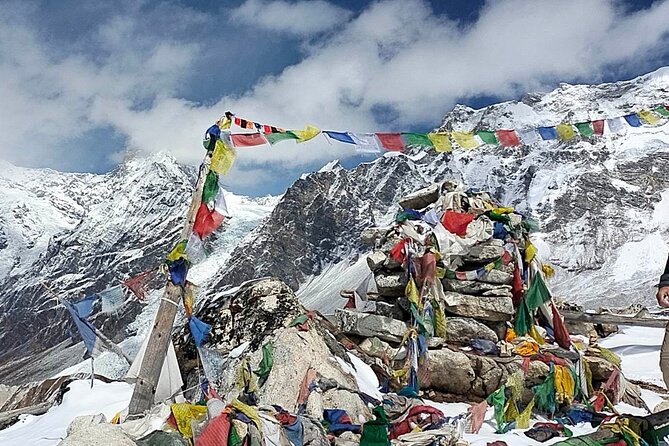
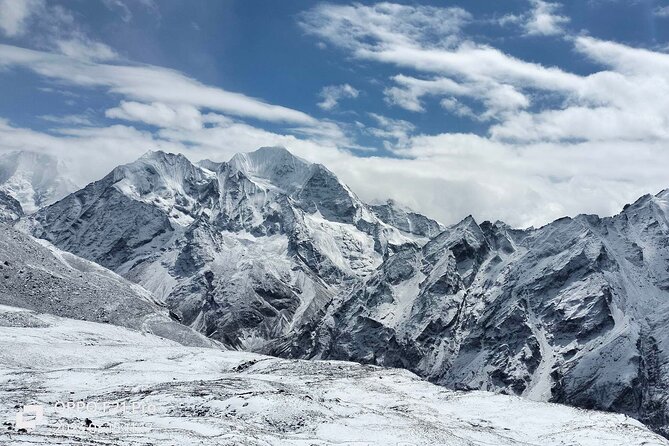
What you’ll notice as you go is that the scenery changes more than the difficulty does. You start with river crossings and farm landscapes, then transition into dense forest sections inside Langtang National Park. Later, the trail pushes you toward the higher viewpoint side of the valley, ending at Kyanjin Gompa. So even if you’re not chasing peak bagging, you still get that up-close Himalayan feeling: ridgelines, steep-sided gorges, and villages that look small but feel lived-in.
Also, this route is often talked about as suitable for beginners and low-adventure travelers. That’s not the same as saying it’s easy. You’ll still hike for most of the day, carry your own daypack (unless you add a porter option), and deal with weather and trail conditions. But compared with higher, more technical treks, Langtang gives you a realistic entry point.
You can also read our reviews of more hiking tours in Kathmandu
Price and value: what $555 per person really buys
At $555.00 per person, the big question is whether you’re paying for the trek itself—or for the paperwork, food, and support too. Here, a lot of the “hidden costs” are included, which is where the value comes from.
What’s included:
- Government license holder mountain guide for 7 days
- Langtang National Park Permit & TIMS Card
- Both-way transportation by local sharing jeep
- 6 night private accommodation during the trek
- Breakfast, lunch, and dinner for 7 days
- 3 cups of hot beverage per day
- Seasonal fruits
- Medical kit bag
What’s not included:
- Travel insurance
- City hotel (in Kathmandu)
- Tips for trekking crew
- Porter cost and private jeep option: $190.00 per booking
For many people, the permit + TIMS + meals + trek lodging bundle is the difference between a smooth first Himalayan trip and an annoying budget surprise. If you’re trying to travel without doing extra homework about permits and logistics, this package style is a big win. And because the guide is explicitly covered for the full time, you don’t get the common problem where you’re “on your own” for parts of the route.
Getting there from Kathmandu: the Syabrubesi drive is part of the experience
Day one starts early, with a 6:45 am meeting time. Then you head north in an overland drive around Langtang Himal. The driving time is listed as about 8 hours, and the full first day totals roughly 12 hours, which tells you this trek begins with movement, not warm-up trail.
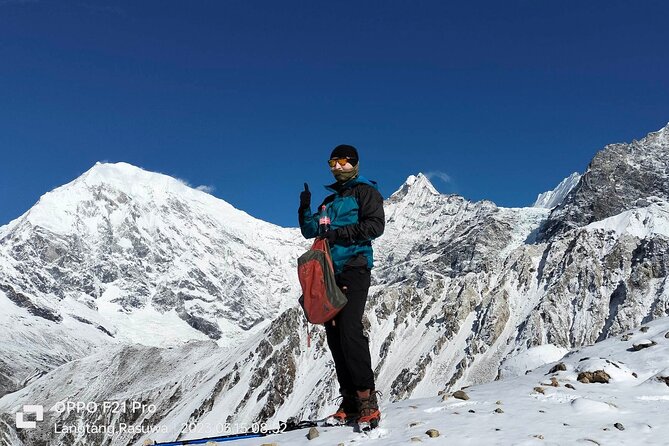
You’ll arrive in Syabrubensi village, your starting point for the walking days. This matters because Syabrubensi is where the rhythm shifts: you go from roads and checkpoints to foot travel with rivers, bridges, and trails. The drive also gives you a first taste of Himalayan snow-capped views, so your brain is already “in mountain mode” before you start hiking.
Practical note: if you’re prone to motion sickness or you like time to acclimate slowly, bring motion-easing help and take water seriously during the drive. Nothing is more annoying than feeling queasy when you’re about to start climbing.
Entering Langtang National Park: rivers, farms, and forest breathing room
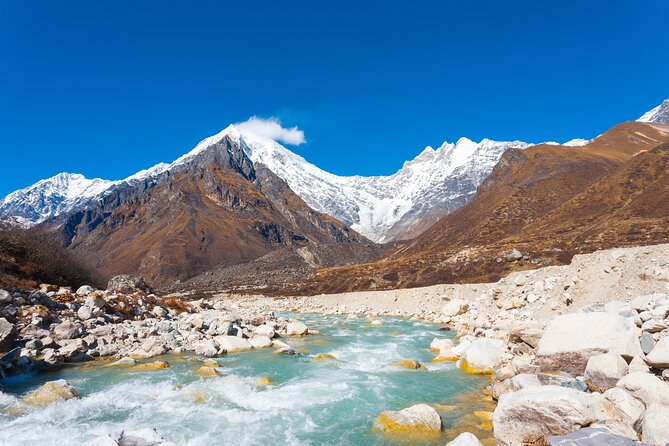
The second day is all about the transition into Langtang National Park. From Syabrubesi, you begin walking and cross a bridge over the Langtang River. Then the day turns into uphill effort through farm areas and into a green, dense forest zone.
This is a good day for finding your stride. The scenery is close and tactile—river sound, tree shade, and a trail that feels like it’s gradually leading you deeper into the valley rather than immediately punishing your legs. It’s also a reminder that Langtang is not only about views. It’s about the route itself: walking through ecosystems that feel like they belong to another altitude band.
You’ll end the day with an overnight stop in the mid-trek area (with Lama Hotel becoming the base point for day three). Expect the walking day total to be long (listed around 14 hours), so plan for a steady pace rather than bursts.
One possible drawback with long days like this: you’ll want to start each morning fresh. That means sleep matters, and so does hydration. If you show up tired, the trek will ask you to pay the debt back.
Langtang village approach: the river upstream feeling
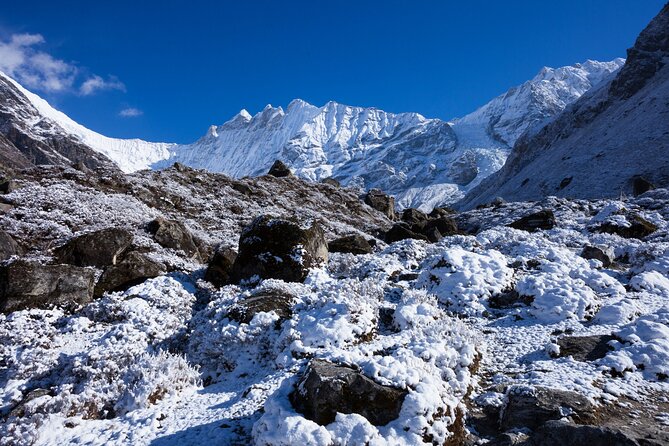
Day three starts at Lama Hotel, and the route follows the river upstream through deeply forested sections and a gorge. This is one of those sections that feels “in the canyon,” even if you’re not technical about the terrain.
Then you pass by Ghodetabla and reach Langtang village for the overnight stop. What I like about this structure is that it gives you a clear line of progress. You’re moving upstream, you’re watching the valley tighten and open, and the route leads you toward a place that feels like a real home base in the valley.
This day is listed as around 15 hours, so treat it as a hike with endurance, not a sprint. If you like steady walking and don’t mind that the best parts can come gradually, this segment will feel satisfying.
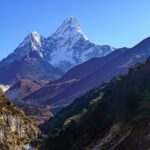
Kyanjin Gompa day: where the trek turns into a destination
On day four, your major goal is Kyanjin Gompa. You get a short steep climb at the start, leaving the forested area, then the trail leads into more exposed views as you head toward a ridge and continue onward.
The “gompa” goal matters because it’s not just another overnight town. It’s a trekking destination with a different mood—less about farms and forest, more about vantage, ridges, and the feeling that you’ve reached the valley’s “looking-out” side. The listing says day four totals around 14 hours, so even if the climb isn’t the whole story, your day is still long enough that pacing is everything.
This is also where the beginner-friendly planning pays off. Even with a steep moment, the trek’s overall approach is to build you toward the final target without skipping steps. You’ve been walking river corridors and forest sections for days; by the time the ridge and gompa arrive, the effort makes sense.
The valley day and the return to Lama Hotel: views plus recovery
Day five is described as an enjoyable time around the Langtang Valley at Kyanjin, followed by a downhill trek to Lama Hotel for overnight.
This is a smart design for most people. You get your “big destination” day four, you spend time in the area day five, and then you start descending while your body is still capable of handling the change. Downhill can be rough on knees, but it’s often mentally easier than constant ascent because you can relax your pace a bit and focus on footing.
Day five totals about 12 hours, which is slightly lighter than day three and day four. If you’re planning for comfort, treat day five as your body’s reset day and make sure you eat well and keep water steady.
Downhill to Syabrubensi and back to Kathmandu
Day six follows a downhill walk from Lama Hotel back toward Syabrubensi, including crossing a bridge again before you reach your last overnight stop near Langtang Himal.
Day six is listed around 12 hours, which is very typical for a return day: your legs are tired, the trail is repetitive in the best way (you know the route now), and the goal is to finish strong.
Then day seven brings the handoff back to civilization. You walk in the morning, descend toward the route back, and then drive to Kathmandu, with the full day totaling about 13 hours. This is the “end of trek” day, so your packing habits matter. Keep your essentials easy to grab for the drive so you aren’t digging through gear while everyone’s trying to move.
The guide and crew factor: why the names keep showing up
A trek lives or dies by the people. And in this trek, the support crew is clearly part of the appeal.
You may work with guides such as Buddhi Tamang, Buddhi (also noted simply as Buddhi), Nabin, Laku, and Pawan. The consistent thread in the guidance style is that the guide is more than route glue. They’re friendly, responsive, and willing to explain what you’re seeing—history and traditions tied to the places you pass.
One porter name that stands out in the supplied information is Tenjin. That’s useful for you to know because porter support can change how the trek feels. If you’re carrying full gear all day, you’ll feel every extra kilogram. If you add a porter option (listed as $190.00 for porter cost and private jeep options per booking), you’re buying lighter walking and more energy for the actual views.
There’s also an important planning angle: this trek is run to keep the moving parts from turning into a mess. Accommodation, transport, permits, and extra gear coordination appear to be handled, so you’re not stuck negotiating the details mid-hike.
Trek pace, altitude reality, and who this is truly for
The description calls it moderate, with lower altitudes compared to some other treks. That puts Langtang in a good category for people who want a Himalayan experience without the extreme pressure some higher routes bring.
Who it fits well:
- First-time trekkers who want mountains, villages, and forests in a controlled way
- People with moderate fitness who can handle long trekking days
- Travelers who prefer a structured plan with meals, lodging, and permits already handled
- Anyone who wants a private group experience rather than joining a large mixed crowd
Who should think twice:
- Anyone who struggles with long walking days (the itinerary days are listed around 12–15 hours depending on the day)
- People who want a short daily trek with lots of free time
- Anyone who expects the trek to feel like a leisurely nature stroll
A key comfort strategy: don’t chase speed early. If you can keep a steady pace and protect sleep, you’ll feel the climb far less than you fear it.
What to pack (so the trip feels easy, not stressful)
You don’t have every gear list here, so I’ll focus on what you can safely plan for based on the route profile: long days, cold mornings, and walking through forest and ridge zones.
Bring:
- Layers for changing temperatures (morning start at 6:45 am is a clue)
- Solid footwear for downhill sections (day five onward)
- A daypack with water and snacks between meals
- Sunscreen and sun protection (ridge and gompa days can be bright)
- A small kit for blisters and basic first aid
You’ll get a medical kit bag, which is helpful, but it won’t replace your personal fit and comfort items. Treat your feet like the main event. On long treks, they always are.
Is it worth booking Langtang Valley Trek?
If your goal is a first Himalayan trek that feels structured and supportive, I think this is a strong choice. The included permits (Langtang National Park permit + TIMS), the guide coverage, and the fact that meals and trek lodging are handled remove the most common stress points.
I’d book it if:
- You want a manageable trek profile with a real end destination at Kyanjin Gompa
- You like the idea of hot drinks and meals daily, not restaurant roulette
- You prefer a private group setup
- You’d rather spend your time walking than figuring out logistics
I’d hesitate if:
- You need very short hiking days
- You’re hoping for a totally no-effort experience (this still adds up to long days)
- You haven’t done much hiking and worry you’ll push too fast out of excitement
Overall, for the $555 value, the trip is positioned as a practical, beginner-aware way to get genuine Langtang Valley mountain time, with guides people trust and a plan that keeps the focus on the trail.
FAQ
How many days is the Langtang Valley Trek?
It’s listed as 7 days (approx.).
What time does the trek start?
The meeting time is 6:45 am.
Is pickup included?
Yes, pickup is offered.
Are permits and TIMS included in the price?
Yes. The Langtang National Park permit & TIMS card are included.
What meals are included during the trek?
The package includes breakfast, lunch, and dinner for 7 days, plus 3 cups of hot beverage per day and seasonal fruits.
Is a porter included?
Porter cost is not included, but there is an option listed at $190.00 per booking for porter cost and private jeep.
Can I cancel for a full refund?
Yes. You can cancel up to 24 hours in advance for a full refund.