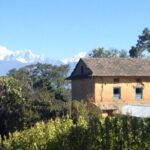
Three days, one jaw-dropping ridge. The Kathmandu Valley Rim Hike is a short trek that takes you north of Kathmandu for real rural life, then funnels you toward iconic viewpoints like Nagarkot. You’ll walk through forest and farmland, with day-by-day moments built around mountain panoramas and small cultural stops.
What I liked most is how you get both mountain-view payoff and a calm village-walk rhythm, without needing weeks on the trail. I also really enjoyed the straightforward setup: 2 nights of trekking accommodation plus all meals while you’re hiking, so you’re not constantly juggling food plans in Nepal.
One thing to consider: even though it’s described as doable for any fitness level that can handle multi-hour walks, you still have walking days and a first-day climb (about 1,000 meters up to Chisapani). If you hate being on your feet for hours, this route may feel like work.
In This Review
- Key things I’d plan for on the Kathmandu Valley Rim Hike
- Why this hike feels different from the usual Kathmandu day tours
- Price and logistics: what your $381 covers (and why it’s fair)
- Your 3-day route: Sundarijal, Chisapani, Nagarkot, Dhulikhel, and Changunarayan
- Starting in Thamel: getting oriented before the trail work begins
- Day 1: Sundarijal to Chisapani forest walk and a 1,000-meter climb
- Day 2: Nagarkot View Tower and Dhulikhel sunrise-style viewpoints
- Day 3: Changunarayan temple descent and the ride back to Kathmandu
- The guide experience: what Riman’s style adds to the hike
- Pacing and fitness: who this fits best (and who should rethink)
- What to pack and how to think about comfort
- Small details that quietly make the trip smoother
- Should you book the Kathmandu Valley Rim Hike?
- FAQ
- Where do I meet, and what time does the hike start?
- What is the basic route across the 3 days?
- What’s included in the $381 price?
- What isn’t included?
- Is this tour private, and can the guide speak different languages?
- Can I cancel and still get a refund?
Key things I’d plan for on the Kathmandu Valley Rim Hike
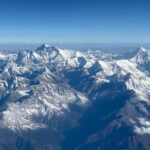
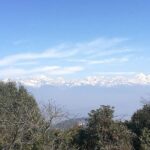
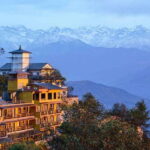
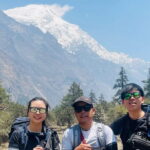
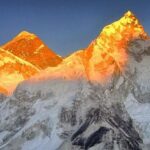
- Chisapani’s panoramic lookout for named Himalayan ranges like Dorje Lakpa, Langtang, Ganesh Himal, Gaurisankar, and even part of the Everest range
- A real forest-and-farm walking mix north of Kathmandu, not a road-only day
- Nagarkot View Tower + sunrise planning plus a classic second look from Dhulikhel
- Meals and trekking lodging included for 2 nights, which adds real value when you’re budgeting
- Guide quality matters, and Riman’s calm, kind approach is specifically called out
Why this hike feels different from the usual Kathmandu day tours
Kathmandu is busy, noisy, and often crowded with traffic. This trek changes the pace fast. In just a few days, you move from the Kathmandu area into a walking route that hugs the edges of the valley—rural farm villages, forest trails, and viewpoints that show you how huge the mountains are compared to daily life down below.
The experience is built around perspective. Instead of staring at mountains from a bus window, you earn the views by walking—up and down, step by step. That matters on a rim hike, because the best sightlines often show up after a climb, not before it.
You also get a nice blend of Nepal flavors: countryside scenery plus recognizable scenic stops. Nagarkot and Dhulikhel bring the viewpoint culture—people go there for the sky and the light. Then there’s a temple finish back toward the valley side with Changunarayan, which helps the whole trip feel grounded in place.
You can also read our reviews of more hiking tours in Kathmandu
Price and logistics: what your $381 covers (and why it’s fair)
At $381 for about 3 days, the headline question is: what’s included versus what you’ll pay out of pocket?
Here’s the value picture you should know:
- 2 nights of accommodation (during the trekking portion)
- All food during the trek: breakfast, lunch, dinner
- Guides and trekking support (including language flexibility like English and others)
- Private transport by car/jeep/mini bus/tour bus depending on group size
- Pickup and drop to the airport
The big financial win is meals + trekking lodging bundled in. In a short trek, that can be a surprisingly big chunk of cost if you had to arrange it yourself. The other practical win is transport: you’re not coordinating rides between mountain towns on your own.
What’s not included is also clear:
- Food and hotel in Kathmandu (before/after)
- Drinks in general (soft and hard drinks)
- Visa and international flights
- Tips for guide/driver
- Personal expenses and anything not mentioned
If you’re the type who likes to travel with fewer moving parts—especially on a short schedule—this setup makes sense. It’s not a bare-bones hiking-only deal; it’s a guided, planned package with the main necessities handled.
Your 3-day route: Sundarijal, Chisapani, Nagarkot, Dhulikhel, and Changunarayan
This hike is designed as a looping journey that starts north of Kathmandu, climbs toward a top viewpoint day, then gradually drops back toward a cultural stop before returning to the city.
Day 1: Sundarijal → Chisapani
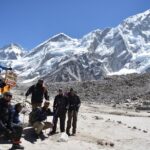
You start from Sundarijal and work your way to Chisapani. Expect a serious walking day with a climb that rises roughly 1,000 meters as you head up to the main viewpoint area.
Day 2: Chisapani area → Nagarkot
This is the day for the big ridge views and classic lookout moments, including the Nagarkot View Tower. The plan also includes time around Dhulikhel, known for striking sunrise views.
Day 3: Down toward Changunarayan Temple → drive back to Kathmandu
You finish with a descent route toward Changunarayan temple, then you get driven back to Kathmandu. That last day feels like a payoff: less of the uphill grind, more of the “we’re heading back with views still in frame” feeling.
You’ll also notice that the route is described as any-fitness-level as long as you can walk for multiple hours. Translation: this isn’t a gentle stroll with long rests built in. You’ll keep moving, and that’s the point.
Starting in Thamel: getting oriented before the trail work begins
You’ll meet at View Nepal Treks & Expedition P. Ltd., 24 Thamel Marg, Kathmandu, with a start time listed as 7:15 am. If you’re staying around Thamel, that’s useful because you can avoid long pre-dawn commutes.
You’ll also have pickup offered (and pickup/drop connected to the airport is included). That matters because Nepal hiking plans often fall apart at the “getting there” stage. Having transport arranged keeps the first morning calm instead of chaotic.
One more practical touch: you get a mobile ticket, and you’ll need passport details at booking (name, number, expiry, country). Those are small things, but on the ground they save time when you’re trying to check in and go.
Day 1: Sundarijal to Chisapani forest walk and a 1,000-meter climb
Day 1 is where the trek earns its name. You start moving from Sundarijal toward Chisapani, and the experience is shaped by that climb.
What you should expect:
- A multi-hour walk through jungle/forest zones with changing vegetation
- The kind of countryside route where you’re more likely to see farm life and small paths than wide tourist roads
- A gradual shift from Kathmandu-area terrain into something quieter and more nature-focused
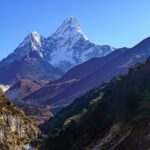
Then comes Chisapani’s payoff. Once you reach the hill area, the views are described in specific named ranges: Dorje Lakpa, Langtang, Ganesh Himal, Gaurisankar, and even part of the Everest range on a clear day. That level of naming is a clue: this viewpoint matters. You’re not just getting a vague “mountains are there” moment—you’re getting a real panorama with recognizable targets.
Potential drawback on Day 1: it’s uphill. If you’re prone to tight calves or you don’t love steady climbs, plan to pace yourself in the early hours. Starting slower than you feel like doing can save your legs for the later sections.
Day 2: Nagarkot View Tower and Dhulikhel sunrise-style viewpoints
Day 2 is the ridge-day energy. You move from the Chisapani side toward Nagarkot, and you’ll stop at Nagarkot View Tower—one of those classic Nepal viewpoint spots people aim for because it gives you a framed, elevated perspective.
This day also includes time for Dhulikhel, which is known for striking sunrise views. You’re building your schedule around early-day light, which is one of the main reasons people love Nagarkot-region treks: the sky and mountain colors can change fast.
In practical terms, Day 2 is where the trek starts to feel like a “views + villages” hybrid rather than a pure hiking workout. The route keeps you walking, but the stops are built around looking out.
One consideration: if you’re hoping for photos that look like postcard clarity every single time, that depends on conditions. Your best move is to treat the day as a viewing window, not a guarantee. If the sky is clear, you’ll be rewarded. If it’s not, you’ll still get the rhythm of the route and the relief of being out in the countryside.
Day 3: Changunarayan temple descent and the ride back to Kathmandu
Day 3 finishes with a cultural landing. You trek down toward Changunarayan temple and then drive back to Kathmandu.
Why this ending works: it keeps the trip from feeling like a one-direction slog. After two days of building height and chasing viewpoints, the descent creates a different sensation—more stretching legs, more time letting the scenery come to you, and a gentle shift from high-view hiking back to valley-side life.
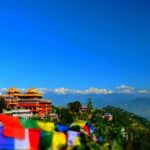
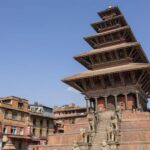
Changunarayan is a meaningful stop name in the Kathmandu rim circuit, and even without getting too technical about it, the key point is this: you end with a place, not just a return vehicle. It’s a clean way to tie mountain walking to Nepal’s cultural geography.
The guide experience: what Riman’s style adds to the hike
A trekking guide can make or break a short trek. You don’t have many days here, so every hour counts.
In one of the standout accounts, the guide Riman is praised as kind and helpful, and that kind of personality is practical on a rim hike. When you’re tired, unsure about footing, or just trying to understand what you’re seeing in the distance, a guide who keeps things friendly and clear makes the walk feel lighter.
Also, the tour notes that guides can be multi-lingual depending on your group needs. If you’re traveling with limited English, that flexibility is a real comfort factor.
For you, the key is to take advantage of the guide’s attention early. Ask what views you’re likely to see that day, and how the day’s light affects what you can identify from the ridge.
Pacing and fitness: who this fits best (and who should rethink)
This is described as suitable for people of any fitness level as long as you can handle multi-hour walking days. That’s the honest line.
So who this fits:
- You want a short trek (about 3 days) that still delivers countryside walking
- You’re okay with steady effort and a decent first-day climb
- You care about viewpoints and don’t mind early schedule mornings
- You like guided structure, especially if you’re not sure about Nepal trekking logistics
Who might want to adjust expectations:
- Anyone who expects a mostly flat stroll
- People who struggle with sustained uphill walking (Day 1 climbs up to Chisapani around 1,000 meters)
- Travelers who want a fully self-paced trek with no structure (this is a private tour/activity)
What to pack and how to think about comfort
You weren’t given an official packing list here, so I’ll keep this practical and general. For a rim hike with forest, viewpoints, and sunrise timing, you’ll want to think in layers.
Plan for:
- Comfortable hiking shoes with grip (forest paths + descents can be slippery)
- A few light layers you can adjust as you climb and then cool off at viewpoint stops
- A day layer that won’t feel heavy if you’re sweating early
- Sun protection if the skies clear (lookouts in the valley rim can be bright)
If you’re unsure, your guide can often help you sanity-check what you’ve brought on the morning of the trek.
Small details that quietly make the trip smoother
These are the kinds of trip details that don’t get you a view, but they help you enjoy the views you worked for:
- Private group feel: it’s a private tour/activity, so it’s only your group participating
- Private vehicle support: transport is handled, and it can be a car/jeep/mini bus/tour bus depending on group size
- All trek meals included: breakfast, lunch, and dinner are covered during the hiking days
- Airport pickup/drop included: you spend less time negotiating rides after travel fatigue
Those may sound routine, but on a three-day schedule, reducing friction is a big deal.
Should you book the Kathmandu Valley Rim Hike?
Book it if you want:
- A short, guided trek that adds rural Kathmandu Valley edge walking to your itinerary
- The mix of Chisapani viewpoint panoramas plus Nagarkot View Tower and Dhulikhel sunrise-style moments
- Meals and trekking accommodation handled for two nights, with transport support
Skip it or ask more questions first if:
- You don’t want a climb day (Day 1 includes a climb up to Chisapani around 1,000 meters)
- You’re hoping for a totally unstructured trek with no guiding or schedule
If you’re looking for value in a short window—and you care about being walked through the scenery rather than just dropped off—this one makes a strong case. The combination of organized logistics and guide support (with Riman specifically called out for being kind and helpful) is exactly what I’d want for a rim hike where every day counts.
FAQ
Where do I meet, and what time does the hike start?
You meet at View Nepal Treks & Expedition P. Ltd., 24 Thamel Marg, Kathmandu 44600, Nepal. Start time is listed as 7:15 am.
What is the basic route across the 3 days?
The trek starts at Sundarijal going to Chisapani on day one. Day two treks to Nagarkot. Day three includes trekking down toward Changunarayan temple and then driving back to Kathmandu.
What’s included in the $381 price?
Included are 2 nights of accommodation during the trek, all food while trekking (breakfast, lunch, dinner), a guide (with language options depending on requirement), transport by private vehicle (type depends on group size), and airport pickup and drop.
What isn’t included?
Not included are food and hotel in Kathmandu, soft and hard drinks, personal expenses, Nepal visa, international flights, tips for the guide and driver, and anything not specifically mentioned as included.
Is this tour private, and can the guide speak different languages?
Yes, it’s a private tour/activity for only your group. The guide may be multi-lingual depending on the language requirements you book for.
Can I cancel and still get a refund?
Yes. You can cancel up to 24 hours in advance of the experience start time for a full refund. If you cancel less than 24 hours before, the paid amount isn’t refunded.