REVIEW · EVEREST BASE CAMP TREKS
14 Days Everest Base Camp Trek
Book on Viator →Operated by Eco Nepal Trekkers · Bookable on Viator
Everest Base Camp feels big and simple at the same time. You start with private airport transfers and a Kathmandu hotel, then move fast into the Khumbu with the short Lukla flight and a day-by-day plan that builds altitude step by step. I like that the essentials are handled: permits are included and you’re on a licensed guide team, not trying to wing it with forms and paperwork.
The other big win is how the trek supports your day-to-day effort. You get meals during the trek, plus a porter system (one porter assigned to two clients), which matters when your focus should be on hiking, not lugging heavy bags at high altitude. One consideration: your personal trekking gear and travel insurance (including high-altitude emergency evacuation coverage) are not included, and hot shower/WiFi and drinks cost extra.
In This Review
- Key highlights worth knowing before you go
- From Kathmandu to Lukla: the shortcut that still feels real
- Phakding and Monjo: warming up without wasting time
- Namche Bazaar acclimatization: where the trek teaches your body
- Tengboche’s monastery and the photo-ready trail
- Dingboche and Nagarjun Hill: a planned rest day that still moves
- From Pheriche to Lobuche: the high valley feel arrives
- Gorakshep and Everest Base Camp: the glacier edge moment
- Kala Patthar at dawn: the highest view day you shouldn’t skip
- The long walk back: returning through forests toward Namche and Lukla
- Price and logistics: what $2,200 covers in the real world
- Eco Nepal Trekkers: the service style you can feel in the details
- Should you book this Everest Base Camp trek?
- FAQ
- What is included in the trek price?
- What is not included that I should budget for?
- How do you get to Lukla from Kathmandu?
- What fitness level do I need?
- Is this a private tour?
- What is the cancellation window for a full refund?
Key highlights worth knowing before you go
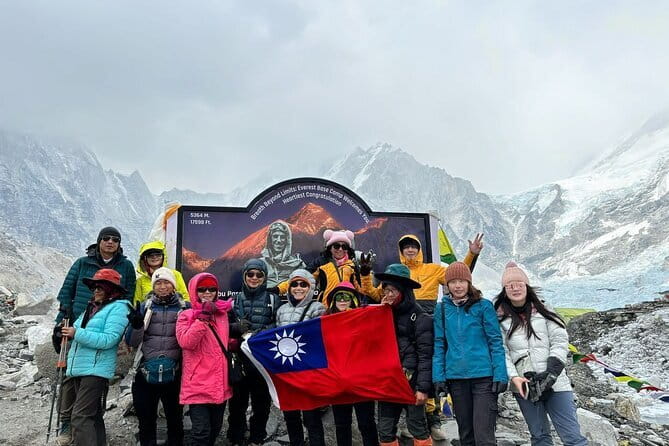
- Licensed guiding and real support: an experienced trekking guide licensed by the government, plus a porter available during the trek (1 porter per 2 clients).
- A practical route into the Everest region: drive 4–5 hours from Kathmandu to Manthali/Ramechhap, then a short flight to Lukla.
- Acclimatization built into the itinerary: Namche includes an uphill walk to Everest View Hotel; Dingboche includes a rest day with an easy climb to Nagarjun Hill.
- Iconic spiritual and cultural stops: Tengboche monastery, Sherpa communities on the trail, and a farewell dinner in a typical Nepali restaurant.
- Big-view payoff days: Everest Base Camp via Gorakshep, then a pre-dawn push to Kala Patthar for panoramic views.
- Value with limits: meals and permits are included, but drinks, Kathmandu meals, and tips are not.
From Kathmandu to Lukla: the shortcut that still feels real
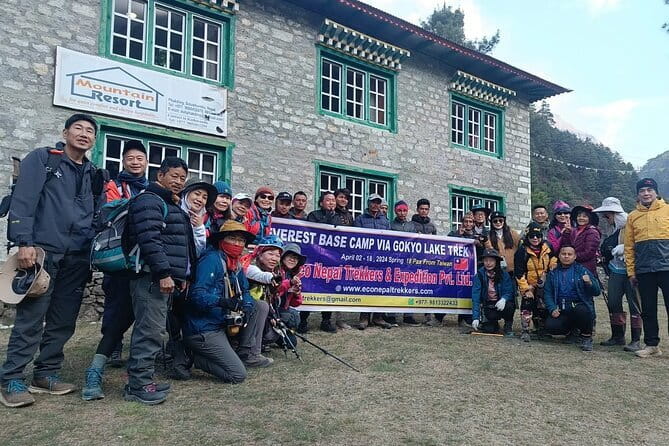
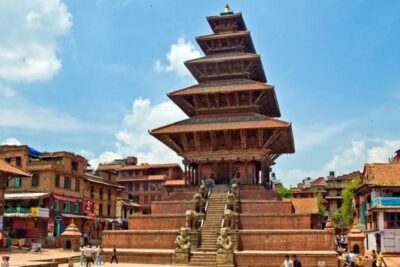
Your trip begins in Kathmandu, with pickup and drop-off via private vehicle. You’ll sleep two nights in a 3-star hotel in Thamel on a twin-sharing basis with breakfast. Thamel is handy for last-minute needs because it’s close to travel shops and food, and you’ll have time to get your bearings before you head uphill into the Everest region.
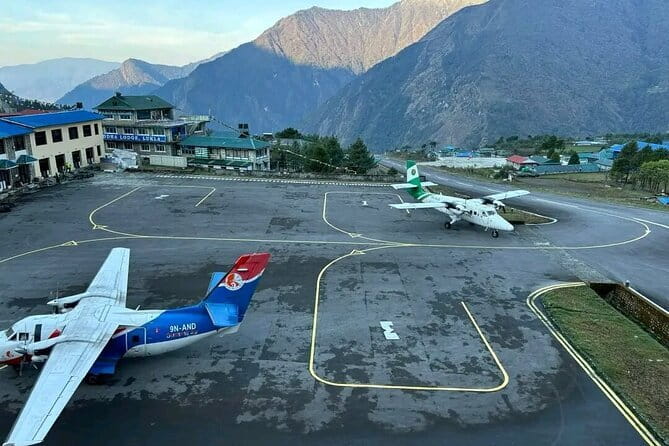
Then comes the signature move: you travel from Kathmandu to Manthali/Ramechhap by road (about 4–5 hours), and from there fly to Lukla. The flight segment is short (about 20 minutes), but it’s the hinge of the whole trek. It’s also why this itinerary feels efficient: you spend less time in transit and more time where the scenery and trekking rhythm matter.
One practical note for your expectations: the package includes the domestic flight ticket (LUK–RMH–LUK) and domestic airport tax, so you’re not stuck budgeting that part separately. Still, you’ll want to stay mentally flexible on any trip that includes flying from Lukla, since schedules can be tight in the Himalayas.
You can also read our reviews of more hiking tours in Kathmandu
Phakding and Monjo: warming up without wasting time
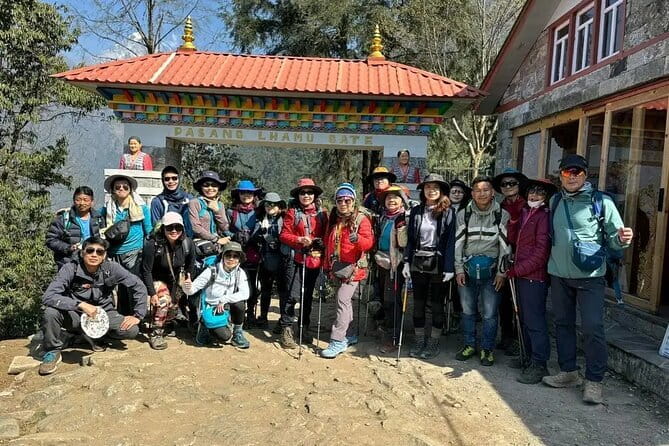
After the Lukla flight, your trek starts with a walk toward Phakding. This is the first real test of your legs after travel, but it’s set up as a gentle on-ramp. You’re not headed straight to the steepest climbs; you’re building hiking time while your body adapts.
From there, the route pushes toward Monjo, the entrance area for Sagarmatha National Park. That matters because it’s where the Everest region shifts from “general mountain trekking” into the real protected Khumbu environment. You’ll pass Sherpa communities like Benkar and Chumoa along the way, so the day isn’t only about altitude; it’s also about recognizing that this is lived-in terrain, not a museum.
I like this kind of pacing early on. It helps you learn how you hike: slower on the uphills, steady on the flats, and consistent breathing as the air thins.
Namche Bazaar acclimatization: where the trek teaches your body
Namche Bazaar is a key part of why this trek works for most people with moderate fitness. On one day, you arrive with an uphill push after passing through Monjo. The description makes it clear this is difficult but rewarding, which lines up with what you’ll feel: the climb is real, but you’re hiking into one of the most important hubs in the Everest region.
The next big step is acclimatization. You’ll walk up to the Everest View Hotel area for 360-degree views that include Ama Dablam, Thamserku, Everest, and Nuptse. This is not just sightseeing. The idea is simple: climb enough to stimulate acclimatization, then use that time to settle in and breathe better for the next stage.
One reason I think you’ll appreciate Namche is that it’s a culture stop as much as a mountain stop. Market areas and local life are part of the experience, and you’ll get a taste of Sherpa food along the trek. That combination helps the days feel complete, not only physical.
Tengboche’s monastery and the photo-ready trail
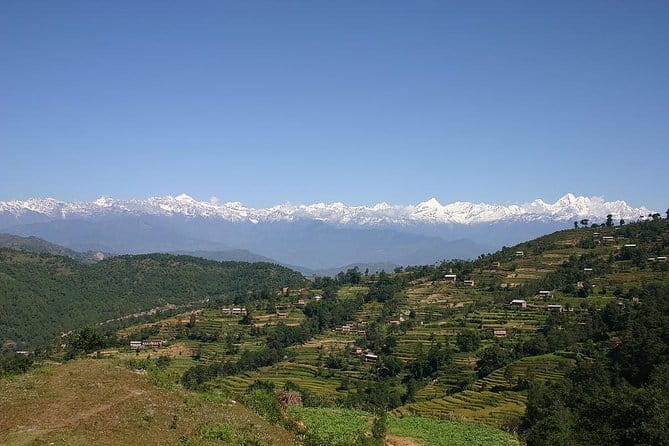
Tengboche is one of the emotional high points on many Everest treks, and this itinerary keeps it front and center. The walking day to Tengboche is described as more relaxed with fewer steep sections. That’s a good match after earlier altitude work, especially if you want some stamina saved for the higher country later.
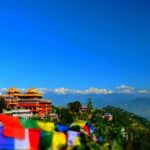
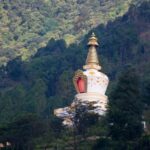
This is also where the visuals turn symbolic. You’ll be surrounded by prayer flags, stupas, and classic Khumbu religious scenes. Tengboche itself is known here as a revered place with an ancient monastery, and you’ll get sunrise and sunset views of Everest from this region.
Even if you’re not a hardcore photographer, Tengboche is a smart pause. It’s an easy day to slow down, look around, and remember what you’re hiking for, not just how many steps you’ve done.
Dingboche and Nagarjun Hill: a planned rest day that still moves
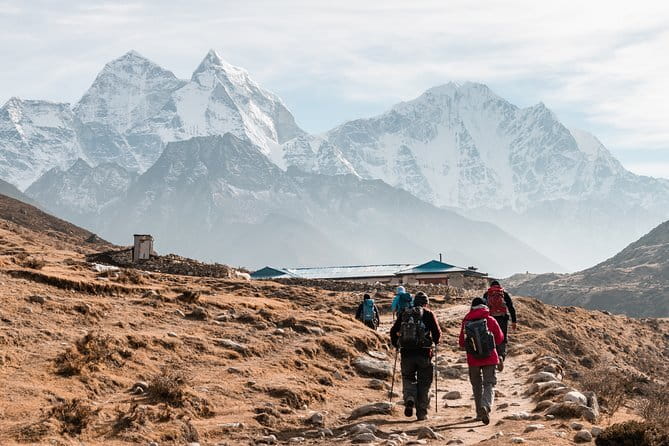
Dingboche is another acclimatization checkpoint built into the trek. Before reaching it, you pass through places like Pangboche, with views of Ama Dablam as well as chortens and mani walls. Those details matter because they keep the trail from feeling repetitive. You’re moving through places that have meaning, not just passing them.
Then you get the real Dingboche rest approach: even though the day is described as important for acclimatization, you still do a light walk to Nagarjun Hill at 5,100 meters. This is an active recovery style: not a long grinding hike, but enough uphill movement to help your body adjust.
I like this structure because it respects altitude reality. You need rest, but you also don’t want your muscles to seize up from full inactivity. A short climb helps you keep your rhythm.
From Pheriche to Lobuche: the high valley feel arrives
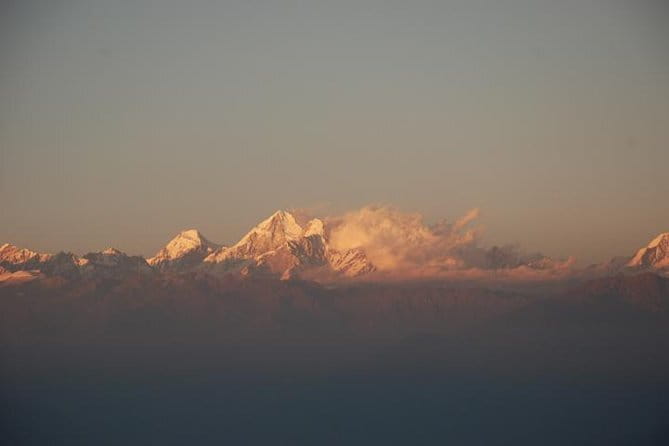
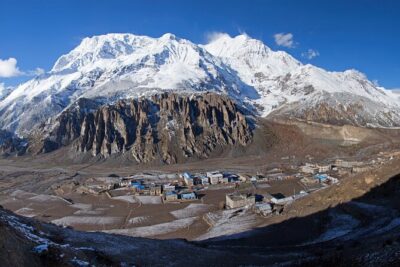
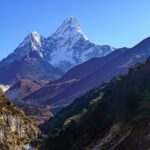
As the route continues, you move toward Pheriche Valley and then toward Lobuche. This part of the trek shifts atmosphere. You’ll walk through alpine brush and yak pastures, and the views open up with towering peaks like Ama Dablam, Tawoch, and Cholotse visible from the valley floor.
The walking days here feel more exposed. That’s not a complaint; it’s part of what makes the Everest region special. When you’re higher, the horizon becomes sharper, and your sense of scale changes. You stop thinking in distances and start thinking in angles: ridges, glacier edges, and where the peaks sit against the sky.
Also, you’ll want to take your meals seriously in these stages. The trek includes breakfast, lunch, and dinner during the hiking days, so you’re not guessing. Eat what’s offered and keep your energy steady.
Gorakshep and Everest Base Camp: the glacier edge moment
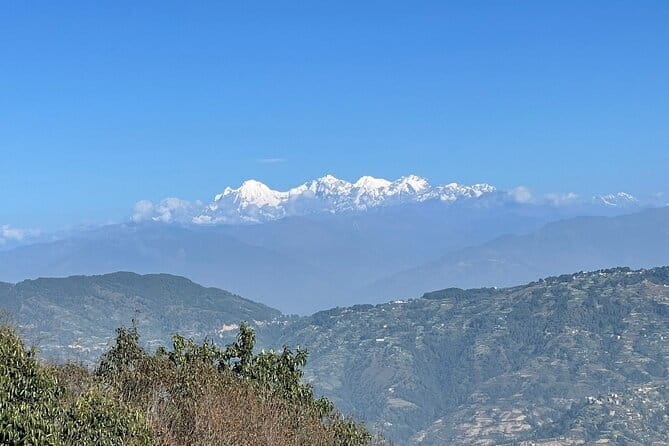
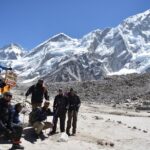
The day you reach Gorakshep is a turning point. From there, you arrive at Everest Base Camp along the lateral moraine of the Khumbu Glacier. That phrase matters because it signals you’re not just visiting a viewpoint. You’re stepping into an area shaped by glacial movement.
Your route is designed so you get there with time to absorb the scene. Base Camp is remote and stark compared to earlier villages. Even if you’ve seen photos, being there in person hits differently because the environment feels both powerful and fragile.
This is also the day when you’ll likely feel the cumulative effect of the climb. If you’ve followed the acclimatization pacing so far, you should be in a better place to enjoy the moment, not survive it.
Kala Patthar at dawn: the highest view day you shouldn’t skip
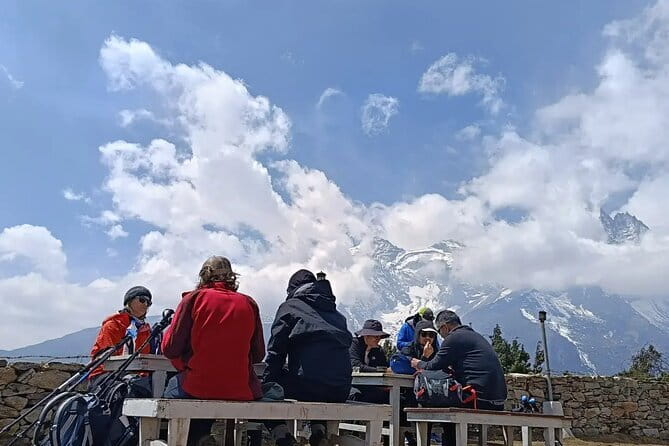
The trek’s highest-point payoff comes on the day you head out before dawn for Kala Patthar at 5,545 meters. This is described as a strenuous walk, but it’s set up for one goal: a stunning 360-degree panorama.
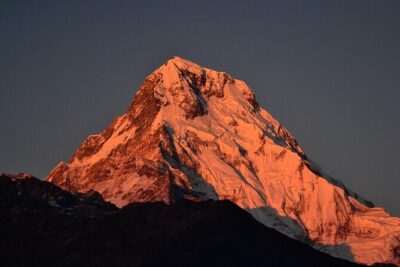
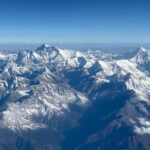
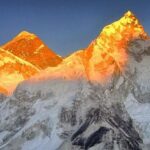
From Kala Patthar, you get major peak views that include Everest, Nuptse, Lhotse, Ama Dablam, and more. The timing is key. Pre-dawn starts are difficult in the moment, but it’s also when conditions often make the view feel crisp and immediate.
This is the day I’d call the emotional capstone. You’ve spent days moving through villages, prayer flags, and glacier-adjacent terrain. Then you step onto a viewpoint that gives you a clean, wide answer to the question you’ve been carrying since Kathmandu.
The long walk back: returning through forests toward Namche and Lukla
After Kala Patthar, the trek turns into descent and recovery. You’ll make your way back toward Namche Bazaar, and then on to Lukla. One of the route descriptions notes some downhill with uphill stretches, and that it’s a long and difficult day of walking, especially following the earlier hard climbs. That’s normal. Your legs will feel it, even when the trail is heading back down.
The route is also changing. As you move closer to Namche, forests and flora return, and the scenery feels less stark. You get a sense of the altitude drop not only by your breath, but by what grows beside the trail.
Then you arrive back in Lukla and relax. You’ve earned the downtime. Your itinerary includes time for a good night’s sleep in Lukla, and then later you fly back to Kathmandu (or to Manthali airport to return, depending on flight availability and weather).
Price and logistics: what $2,200 covers in the real world
At $2,200 per person for 14 days, this trek is priced like a full-service Nepal package. The value comes from the fact that many of the big-ticket items are already handled:
Included elements that protect your budget and reduce stress:
- Airport pickup and drop-off in Kathmandu by private vehicle
- Two nights of 3-star hotel in Thamel with breakfast (twin sharing)
- Domestic flights LUK–RMH–LUK and domestic airport tax
- Meals during the trek: breakfast, lunch, dinner
- Permits: Sagarmatha/Everest National Park and TIMS
- Licensed trekking guide
- Porter support during the trek (1 porter for two clients)
- Farewell dinner and an achievement certificate
What you should plan to pay for yourself:
- Nepal entry visa fee
- International flights and any international airport departure tax
- Travel insurance with high-altitude emergency evacuation coverage
- Your personal trekking gear and equipment
- Lunch and dinner meals in Kathmandu
- Hot shower/WiFi (not included) and other utilities
- All drinks during the trek, including mineral water, hot water, coffee, and alcohol
- Tips for guide, porter, and driver
My take: this is strong value if you want a guided, permit-ready trek where you only focus on hiking and eating. It’s less good value if you’re expecting cheap drinks, frequent caffeine runs, or you plan to bring none of your own gear. In the Everest region, the extras add up, so it’s smart to budget for them now rather than later.
Eco Nepal Trekkers: the service style you can feel in the details
This trip is run by Eco Nepal Trekkers. From the way their team is described and from past guest feedback shared publicly, the standout theme is customer care and organization. The company’s owner, Pemba Tamang, is credited with customization and taking care of everything for at least one multi-trek itinerary. A guide named Prayash also received praise for helpful support through a challenging trek.
You should still keep realistic expectations: a guide can make the route smoother and safer, but they can’t remove altitude. The best sign here is that you get a licensed guide and porter system included, which means you’re not navigating everything alone.
Should you book this Everest Base Camp trek?
Book it if you want:
- a guided, permit-included Everest Base Camp trek with a porter system
- planned acclimatization stops at Namche and Dingboche
- a classic route that hits Tengboche, Gorakshep, Base Camp, and Kala Patthar
Consider a different option if:
- you’re not ready to arrange travel insurance with high-altitude evacuation coverage
- you expect hot showers, WiFi, and drinks included (those are extra)
- you don’t want to handle your own personal trekking gear
If you match the moderate fitness level and you’re prepared for basic mountain comforts, this is a solid, efficient way to reach Everest Base Camp with support that keeps you moving.
FAQ
What is included in the trek price?
The price includes airport pickup/drop-off in Kathmandu (private vehicle), domestic flights (LUK–RMH–LUK) and airport tax, two nights 3-star hotel in Thamel with breakfast, meals during the trek (breakfast, lunch, dinner), permits (Sagarmatha/Everest National Park and TIMS), a licensed trekking guide, porter support during the trek (1 porter for two clients), a farewell dinner, and an achievement certificate.
What is not included that I should budget for?
You’ll need to budget for Nepal entry visa, international flights, travel insurance (including high-altitude emergency evacuation coverage), your personal trekking gear/equipment, lunch and dinner meals in Kathmandu, hot shower/WiFi and drink costs during the trek, and tips for your trekking guide/porter/driver.
How do you get to Lukla from Kathmandu?
The route includes a road transfer from Kathmandu to Manthali/Ramechhap for about 4–5 hours, followed by a short flight of about 20 minutes to Lukla.
What fitness level do I need?
The trip states it’s for travelers with a moderate physical fitness level.
Is this a private tour?
Yes. It’s private, meaning only your group participates, and it requires a minimum of 2 travelers.
What is the cancellation window for a full refund?
You can cancel up to 6 days in advance of the experience for a full refund (you must cancel at least 6 full days before the start time).