REVIEW · CYCLING TOURS
Kathmandu and Surrounding Full-Day Mountain Biking Tour
Book on GetYourGuide →Operated by Snowy Horizon Treks & Expedition (P.) Ltd. · Bookable on GetYourGuide
Kathmandu on two wheels hits different. This full-day ride circles the valley rim on quiet dirt roads and ridge-top trails, with breaks that can put you staring at big Himalayan peaks. I love how the day mixes countryside villages and small temples with real trail time, not just moving from point A to point B.
Two more things I like: the guide support (including mechanical facilities and a repair kit) and the way routes match your level, from an easy 19-mile loop to harder technical options. The main thing to consider is that you’ll spend some time on busy access roads and traffic while the group gets out toward the hills before the calmer dirt riding kicks in.
In This Review
- Key highlights to look for on your ride
- Kathmandu mountain biking around the valley rim: what you’re really signing up for
- Thamel pickup and the reality of city-to-country riding
- Choose your route: Tolkha, Jamcho, Scar Road, or Chobar–Lele–Godwari
- Kathmandu to Tolkha and back: the beginner-friendly hit
- Kathmandu to Jamcho and back: jungle climbing and a hardcore descent
- Kathmandu Scar Road: the most talked-about technical challenge
- Chobar–Lele–Godwari loop: intermediate-friendly countryside with optional single track
- On-trail reality: technical sections, focus, and how you can set yourself up to enjoy them
- Himalaya views from Kathmandu’s rim: when it hits and when it won’t
- Village culture on the move: Newar and Tamang communities
- What the day includes for $80, and where extra costs can sneak in
- The guide factor: why skill matching matters on technical days
- Who should book this bike day (and who should skip it)
- Should you book Kathmandu and Surrounding Full-Day Mountain Biking Tour?
- FAQ
- Where is pickup for the Kathmandu mountain biking tour?
- How long is the biking experience?
- What equipment is included?
- Is lunch provided?
- Do I need to pay park or monument fees?
- What’s the cancellation window for a full refund?
Key highlights to look for on your ride
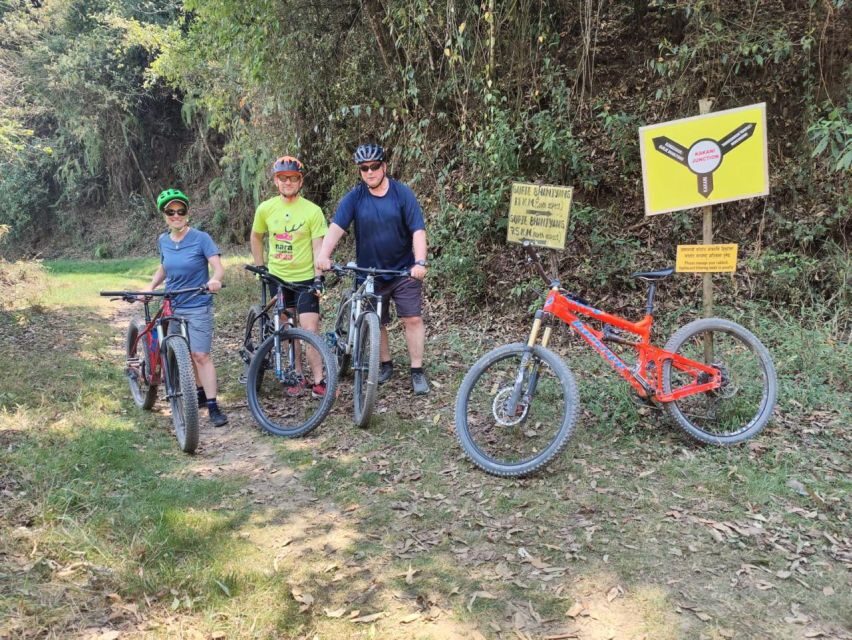
- Choice of daily routes with clear grade and distance options, from beginner-friendly to hardcore
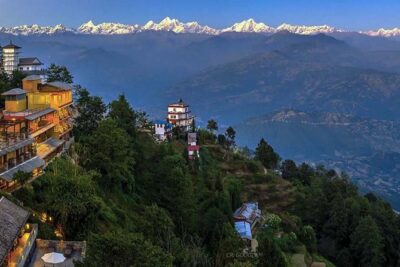
- Himalayan panorama moments from ridge-top and higher sections (best when visibility cooperates)
- Technical riding included, especially on jungle roads and narrow sections where you’ll need focus
- Village culture on the move, with Newar and Tamang communities along country tracks
- Picnic lunch at Tolkha on the easy route, adding a temple break to the ride
- Guide-led adaptation, with on-the-ground help so you can ride your ability, not someone else’s
Kathmandu mountain biking around the valley rim: what you’re really signing up for
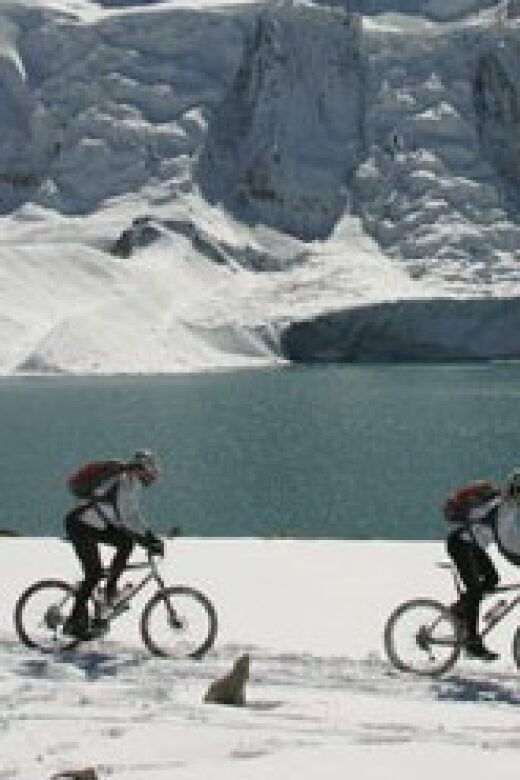
This tour is built for people who want Kathmandu to feel local, not just seen from a window. You start in the Thamel area, then pedal out of the city and onto roads that gradually get quieter—dirt, jeep tracks, and the kind of village-adjacent paths that make the day feel like a working landscape rather than a theme park.
You’re also signing up for variety. The valley rim routes combine slower scenic stretches with jolts of technical riding: uneven surfaces, narrow bits, and places where you’ll have to make quick decisions with your bike under you. That’s a big part of why the day can work for different riders: you’re not stuck on one style of trail the whole time.
Value-wise, the $80 price makes sense because the basics are covered. You get a mountain bike with helmet and gloves, plus a repair kit and mechanical facilities. You also get an included lunch, and the operation includes guide support and the paperwork/taxes side of things. What you’ll likely pay extra for is mostly tied to specific park fees or transport needs on the hardest route.
You can also read our reviews of more cycling tours in Kathmandu
Thamel pickup and the reality of city-to-country riding
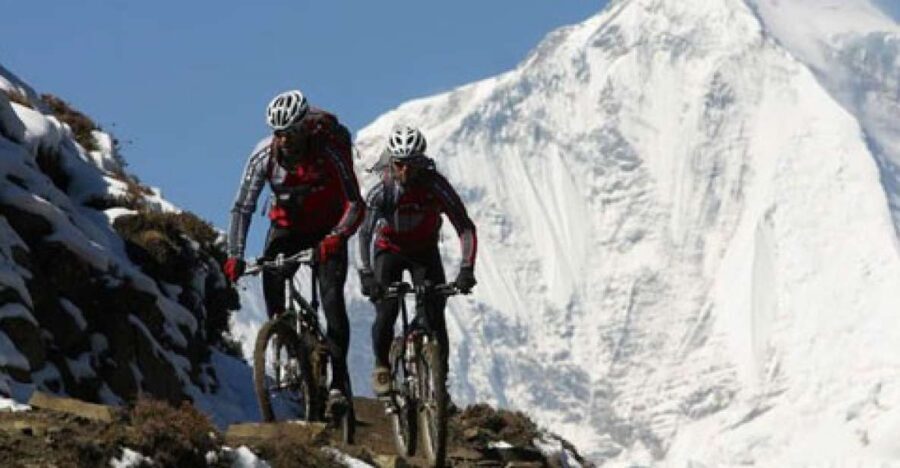
Pickup happens from hotels in and around Thamel, and the ride portion is listed as about 3.5 hours. What that means in practice: you should expect the morning or afternoon to feel like a transition period—leaving the denser streets, then settling into climbs and dirt-road flow.
Here’s the part I’d plan for mentally: some of the route requires riding through busy streets to reach the farmland hills. If you’re new to bikes in active traffic, don’t pretend it won’t feel stressful. On the other hand, it’s also part of why this tour feels real. You get the lived-in momentum of the city at the start and end, then the calmer countryside once you’re outside.
A small tip that pays off: if you’re nervous on traffic, focus on smooth pedaling and calm steering during the transition. Once you’re onto the dirt and jeep tracks, your attention can drop back to the trail and scenery where it belongs.
Choose your route: Tolkha, Jamcho, Scar Road, or Chobar–Lele–Godwari
You’ll pick from several day rides, and each one is designed around a different mix of climbing, trail sharpness, and reward views. The tour operator lists these routes as daily options with clear distance and grade, which is helpful when you’re trying to decide what’s realistic for your fitness.
Kathmandu to Tolkha and back: the beginner-friendly hit
This is the easy option: about 19 miles (32 km), with an easy climb away from Kathmandu followed by a thrilling downhill run back through villages and farms. There are also chances to test your skills on short single-track sections.
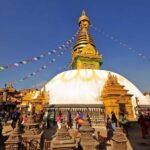
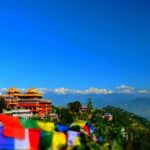
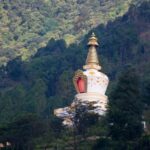
If you’re trying mountain biking in Nepal for the first time, this is the route I’d prioritize. It gives you the best contrast: you feel the work of climbing, but you’re not thrown immediately into the most technical terrain. You also stop at the ancient temple at Tolkha for a picnic lunch, which turns the day into more than exercise.
Drawback to consider: since it’s aimed at beginners, the technical component is more limited. If you want sustained technical downhills, you’ll probably feel held back.
Kathmandu to Jamcho and back: jungle climbing and a hardcore descent
The Jamcho route is graded difficult and listed at about 27 miles (45 km). Expect a several-hour ride (around 3–4 hours), climbing through National Park jungle.
The setup here is simple: you do the hard work up, and the reward is a rough-and-ready downhill trail. This is the option for people who already feel comfortable on rough surfaces and can handle uneven trails without gripping the brakes every five seconds.
Possible drawback: jungle riding means attention requirements go up. If you’re more of a scenic cruiser than a technical rider, you may find the constant focus tiring.
You can also read our reviews of more tours and experiences in Kathmandu

Kathmandu Scar Road: the most talked-about technical challenge
The Scar Road tour is the name you’ll hear if you ask for the challenging Kathmandu Valley ride. It starts with a winding climb of about 20.5 miles (34 km) along a paved road to Trishuli and the Langtang area.
Then the trail turns into something more demanding: off-road climbing, including a steep last section of about 3 miles (5 km) for Himalaya views on clear days. Once you’re inside the National Park, the trail becomes narrow and technical with fast downhill stretches, plus areas where a cliff drop exists on one side. The guide point here is practical: keep your eyes on the trail, not the mountains.
Important cost detail on this route: private transport to Kakani with bikes is involved, and the Shivapur National Park fee plus personal and bike costs are extra.
This is not a casual day. You need solid downhill control and comfort riding tight lines. If you’re unsure, choose a different route and save Scar Road for later.
Chobar–Lele–Godwari loop: intermediate-friendly countryside with optional single track
This longer southern-valley ride is listed as difficult and about 28 miles (47 km). It combines jeep tracks, country roads, and trails, passing through areas tied to Newar and Tamang communities.
The ride undulates through countryside and small villages, then includes a sharp ascent to Dhanda, where you can see Kathmandu Valley open up. After that, there’s an option for a challenging single track, or a switch back jeep track back down.
If you like variety—some dirt, some road, some trail—and you enjoy climbing into big viewpoint moments, this is a strong middle-to-upper option. Just be honest about your technical comfort level before choosing the single-track branch.
On-trail reality: technical sections, focus, and how you can set yourself up to enjoy them
Across these routes, the tour consistently blends three riding styles:
- Jeep tracks and dirt roads, which feel steady but can get dusty and uneven
- Technical segments, especially on the harder routes through jungle and narrow trail areas
- Short single-track chances, where steering skill matters more than brute strength
The biggest enjoyment factor here is mental readiness. If you go into the technical parts expecting smooth lanes, you’ll tense up. If you go in expecting to work your bike—eyes forward, relaxed elbows, controlled braking—then the challenge turns into fun.
Also: Himalayan views are a real part of the payoff, but the guide emphasis is clear on the toughest route. If a trail is narrow with exposure, your priority is riding. Let the view arrive when you’re stopped, not when you’re committed to a fast line.
Himalaya views from Kathmandu’s rim: when it hits and when it won’t
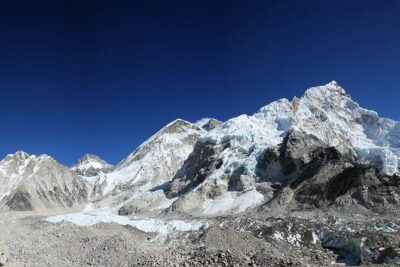
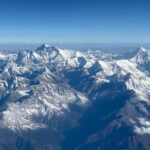
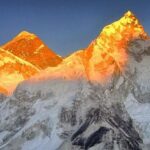
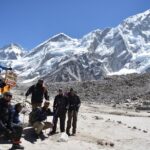
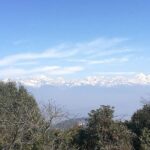
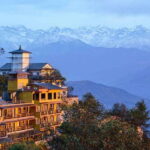
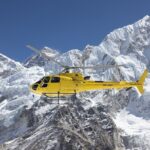
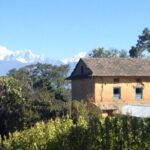
This tour is advertised with panoramic views of major peaks, listing ranges that include Mt. Manaslu, Langtang, Dorji Lakpa, and even the region up to Mt. Everest on clear days. That’s a big promise—and it’s also a realistic one in Kathmandu because ridge viewpoints can offer long sightlines.
Still, plan for variability. Visibility changes quickly. If skies are hazy, you may get less of the dramatic peak-to-peak look. You can still enjoy the ride’s core value: village life, temple stops, and the feeling of cycling the valley rim itself.
My practical take: treat the views as bonus value. The ride works even on days when the peaks are muted.
Village culture on the move: Newar and Tamang communities
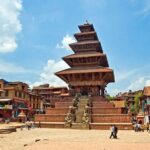
One of the most human parts of this biking day is the way the routes pass through everyday countryside villages, small temples, and community areas tied to the Newar and Tamang people. This matters because it changes the texture of the trip. You’re not only racing toward scenery; you’re moving through the rhythms of where people live and farm.
On the easy Tolkha option, the temple stop adds a cultural pause. On the longer routes, the emphasis is more on how the land feels as you pedal past homes, fields, and dirt lanes.
This kind of route also rewards respectful behavior. Keep your pace predictable around people and don’t treat small roadside moments like you’re filming a set. A calm, friendly approach goes far.
What the day includes for $80, and where extra costs can sneak in
At $80 per person, you’re getting a lot of the essentials that usually add up on adventure tours:
Included:
- Packed lunch
- Experienced cycling guide
- Mechanical facilities
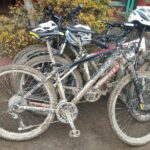
- Mountain bike, helmet, and gloves, plus a repair kit
- Paperwork and government taxes
Not included (based on the tour info you were given):
- Park or monuments entry fees
- Emergency rescue evacuation if required
- Personal accident insurance or rescue coverage
- Transport to other destinations outside the Thamel area
On the Scar Road option specifically, you should expect extra costs tied to private transport to Kakani and National Park fees (Shivapur). If you’re comparing routes, factor this in when you’re deciding what “$80” really means for your chosen ride.
The guide factor: why skill matching matters on technical days
The guide isn’t just there for directions. The ride options are technical enough that coaching affects your enjoyment, not just your safety.
In real use, you’ll want a guide who:
- understands the line between challenging and overwhelming
- helps you pick the right effort level
- encourages you without pushing you into stunts that aren’t part of the route
One guide name that shows up for this experience is Sunil, and the general pattern is consistent: your ride should feel matched to your ability, with the guide helping you find the pace that works. That also explains why the tour can include both beginner and difficult grades without feeling like a random mix.
If you want the day to feel smooth, don’t hide your comfort level. Tell the guide where you feel strong and where you’d rather stay conservative.
Who should book this bike day (and who should skip it)
This tour is a good fit if you:
- can ride a bike comfortably and handle moderate to technical dirt riding
- want big Kathmandu Valley scenery with guided support
- like the idea of choosing your difficulty based on distance and trail sharpness
It’s specifically noted as not suitable for:
- children under 13
- people who can’t ride a bike
- people over 243 lbs / 110 kg
- people with pre-existing medical conditions
- people over 70 years
So if you’re in any of those categories, you’ll want a different style of Kathmandu outing.
Also consider your bike comfort level on downhill rough terrain. Scar Road and the most technical options are the days where confidence matters.
Should you book Kathmandu and Surrounding Full-Day Mountain Biking Tour?
Book it if you want a real Kathmandu Valley cycling day: village roads, ridge-top trail feeling, and route choices that let you aim your effort level. The best reason is value plus support—bike gear, helmet, repair capability, lunch, and an experienced English/French/German guide all included.
Skip it (or pick an easier route) if you get stressed by traffic during access roads, or if technical trail riding feels outside your comfort zone right now. Also consider the extra costs and higher commitment of the toughest Scar Road option with National Park fees and transport to Kakani.
If you’re deciding between routes, I’d choose based on this simple question: do you want a day that teaches and builds confidence, or do you want a day that demands technical control from the start?
FAQ
Where is pickup for the Kathmandu mountain biking tour?
Pickup is included from hotels in and around the Thamel district of Kathmandu.
How long is the biking experience?
The duration is listed as 1 day, and the bike tour time in Kathmandu Valley is about 3.5 hours.
What equipment is included?
You get a mountain bike, helmet, and gloves, plus a repair kit and mechanical facilities.
Is lunch provided?
Yes. The tour includes a packed lunch, and the easy Tolkha route includes a picnic lunch at the ancient temple in Tolkha.
Do I need to pay park or monument fees?
Park or monuments entry fees are not included. Also, for the Scar Road option, Shivapur National Park fee is extra.
What’s the cancellation window for a full refund?
The tour info states you can cancel up to 24 hours in advance for a full refund (with additional charges listed for longer time frames).