REVIEW · ANNAPURNA CIRCUIT TREKS
12 Days Annapurna Circuit Trek from Kathmandu
Book on Viator →Operated by CAN Travels · Bookable on Viator
Trekking the Annapurna Circuit feels like walking through Nepal’s entire personality. You’ll start in Kathmandu’s Thamel area, move by road into the Marshyangdi River region, then hike upward from lush greenery toward dry, windy high country. Thorong La sits at the center of it all, and the route’s mix of cultures and climates is what makes this trip so memorable.
I especially like how the pacing includes a real acclimatization window in Manang, not just a push, push, push. And I also like that this is handled with an English-speaking trekking guide, with guide support that’s built around safety and mountain culture, not only counting steps.
One thing to plan for: this is high-altitude trekking, and the long day around the Muktinath area and the pass crossing will test even solid hikers. If you’re not used to altitude, you’ll want to treat the acclimatization time seriously and take the recommended pace.
In This Review
- Key highlights worth your attention
- Kathmandu to Thamel: where this trek starts off easy
- Road day into the Annapurna region: rivers, villages, and big-range views
- Upper Pisang and the switch to trail life
- Braga and Manang: Tibetan-style architecture plus acclimatization
- Yak Kharka: the route gets thinner, and the air does too
- Thorong Phedi: where your body prepares for the pass
- The hard day: crossing Thorong La and reaching Muktinath
- Kali Gandaki descent to Jomsom: scenery changes again, and so does the pace
- Pokhara time: lake views and a break from high altitude
- Back to Kathmandu and home departure without the stress tax
- Price and value: what $680 really covers
- Who this trek suits best (and who should reconsider)
- Should you book CAN Travels for the Annapurna Circuit?
- FAQ
- What is the highest point on this Annapurna Circuit trek?
- How long is the trek and what’s the overall trip length?
- Does the price include accommodation in Kathmandu and Pokhara?
- What does the price include besides the trek?
- What’s not included for food and drinks?
- What is the cancellation refund window?
Key highlights worth your attention
- English-speaking Sherpa-style guidance focused on trail + culture
- Manang acclimatization included before higher elevations
- Thorong La Pass at 5,416m for classic Annapurna Circuit bragging rights
- Braga’s Tibetan village style and layered architecture
- Kali Gandaki Valley descent toward Jomsom, then down to Pokhara
- Pickup/drop-off plus Kathmandu and Pokhara accommodation with breakfast
Kathmandu to Thamel: where this trek starts off easy
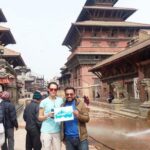
Your trek begins in Kathmandu, in the Thamel area, which is one of the best places to orient yourself in Nepal. The trip includes an airport meet-up: when you arrive at Tribhuvan International Airport, a representative meets you and transfers you by private vehicle to your hotel. After you check in, you’re not left guessing what happens next. That matters, because you want your first day to be calm, not chaotic.
This is also a good stage for basic logistics. You’ll have your first chance to organize daypacks, check how your footwear feels, and confirm what you’ll carry for tea stops and rest breaks. The program includes hotel pickup and drop-off round trip, plus Kathmandu stays (2 nights) with breakfast. You’re paying for planning support, not just a guide on the trail.
And yes, there’s a start time listed for the experience (4:15 pm). That timing detail is useful because it gives you a real target for what “day one” means, especially if you’re arriving late or trying to line up your own Kathmandu sightseeing.
You can also read our reviews of more hiking tours in Kathmandu
Road day into the Annapurna region: rivers, villages, and big-range views
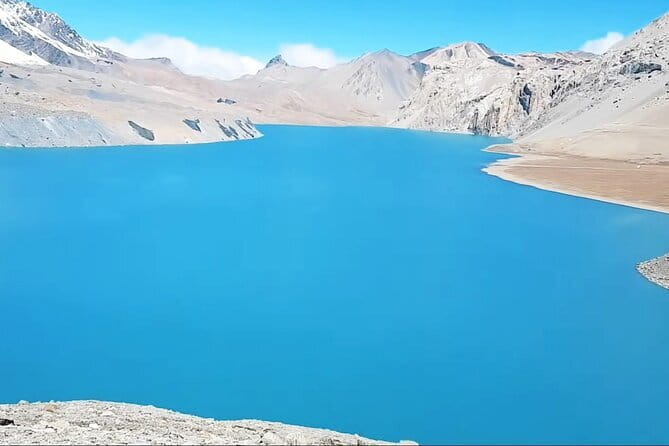
After Kathmandu, you head out toward the Marshyangdi River corridor. The drive crosses major river areas, and you may even spot rafting activity near the Trishuli River and views of the Marsyangdi River as you move toward Chame. This portion isn’t the main event, but it’s a smart setup: it transitions you from city elevation and traffic noise into Nepal’s hiking rhythm.
You’ll reach Chame after traveling via Besisahar, with the whole road trip taking about 9 hours. Then the next move is immediate and practical: you’ll start walking into the upper Manang region rather than lingering in one place. That keeps momentum, which helps if you’re traveling with limited vacation days.
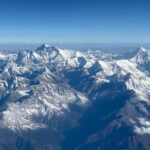
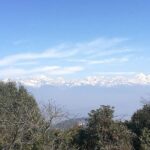
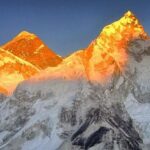
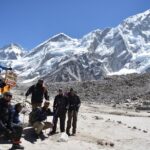
One of my favorite parts of this kind of trek is the early “windows” into the Annapurna region. You’re not yet at the pass drama, but the views start teasing you: Annapurna range angles, familiar snowline silhouettes, and the feeling that the mountains are getting closer each day.
Potential drawback: road days can be tiring, especially if you’re sensitive to long rides. But in this plan, the road travel is doing a job—it gets you positioned so your hiking days can focus on altitude and culture.
Upper Pisang and the switch to trail life
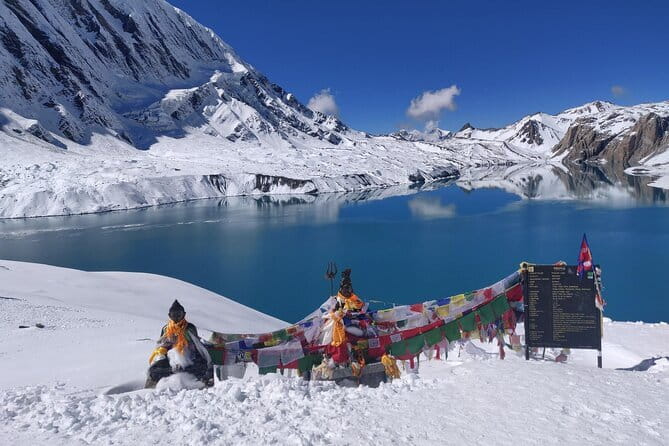
From Chame, you move toward Upper Pisang, passing through villages like Telekhu. The walking day is about 6 hours, and you get some of the Annapurna range views and Mount Pisang presence before a suspension bridge moment brings you right back into real trail rhythm.
Suspension bridges on high routes are rarely dramatic, but they’re memorable because they force you to slow down and look around. They also remind you that you’re traveling through working communities where infrastructure and trekking share space.
This is also a shift day. Early on, you’ll feel the effort is “just walking.” Then soon after, the route will ask more of you as you gain elevation and the terrain changes character. Upper Pisang is a bridge between worlds—still scenic and readable, but now clearly trending higher.
Braga and Manang: Tibetan-style architecture plus acclimatization
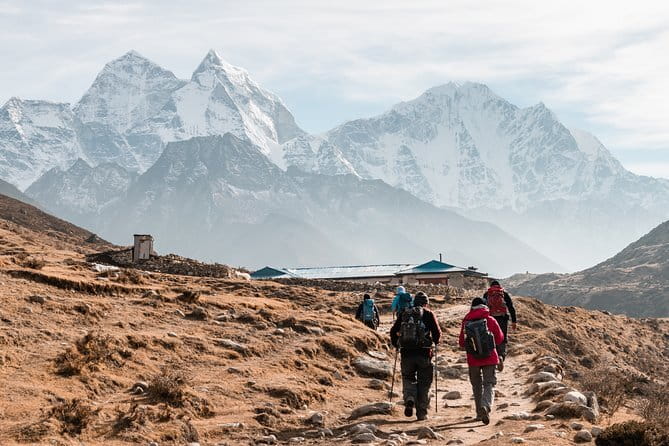
Once you reach the upper Manang area, the trek goes toward Braga, a Tibetan village noted for its distinctive architecture and layered houses built one above another. A village like this isn’t just scenery. It’s a visual clue that you’re moving through a cultural zone where Tibetan Buddhist influence feels part of daily life.
You’ll spend time in and around Manang, including a dedicated acclimatization day where you trek and stay active at elevation. Health and climbing guidance is emphasized here: you don’t just “rest and hope.” You move, you breathe, you adjust. This is one of the best design choices for a high pass itinerary, because it reduces the odds of feeling wrecked later.
In your body, acclimatization shows up as something slightly annoying: you still feel effort, but your breathing stabilizes and your legs don’t feel like they’re made of wet noodles. In your mind, it helps too. You stop treating altitude like a surprise jump and start treating it like a variable you can manage.
If you’re guided by someone like Biru, Amrit, Milan, or Krishna (names that have been highlighted in past groups), you’ll likely get useful context while you’re walking—mountain culture and local life are part of how they explain the region, not just a background lecture.
Yak Kharka: the route gets thinner, and the air does too
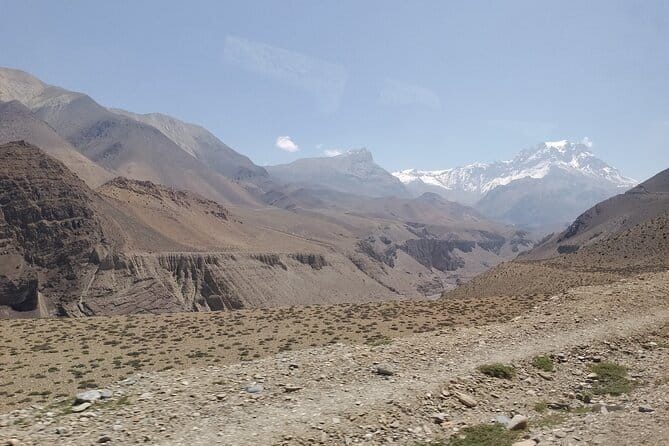
From Manang you continue upward toward Yak Kharka, a trek of about 6 hours and roughly 10.4 km uphill. This is when the scenery starts leaning alpine: juniper forests, and trails that begin to look more like high grazing land.
Yak Kharka itself matters because it’s a staging point. It’s not where the pass happens, but it’s close enough that you start to feel the “next phase” pressure. You’ll also likely see yak grazing in alpine pastures, which is a reminder that these areas aren’t just for hikers. They’re living landscapes for herders and animals.
A detail I like from the route plan: on the way, you pass the only teahouse at Thorong Khola (as noted in the day description). That kind of specificity helps you mentally plan. If there’s a single teahouse stop, you can expect fewer options, so you’ll want to use the stop intentionally—hydrate, eat something simple, and don’t treat it like a casual coffee break.
Thorong Phedi: where your body prepares for the pass
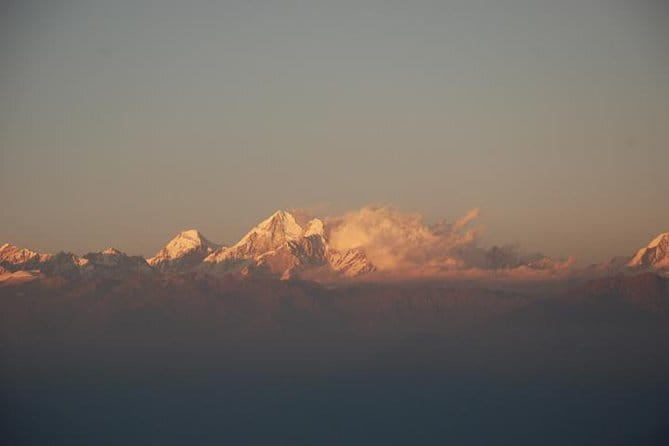
The next climb is toward Thorong Phedi, following the east bank of the Jarang Khola. This is a slow ascent day of about 6 hours, but the real goal is adaptation. The route description even frames it as gradual use to higher altitude.
Thorong Phedi is important because you’re now close enough that small things become big. Your breathing matters more. Your step tempo matters more. Your mental state matters more. A good guide helps here by pacing you so you’re not sprinting early and then suffering later. English-speaking guide support is included, and that can be the difference between “I’m surviving” and “I’m moving confidently.”
If you want a practical rule: don’t try to win the day with speed. Use effort like a budget. Spend it steadily.
The hard day: crossing Thorong La and reaching Muktinath
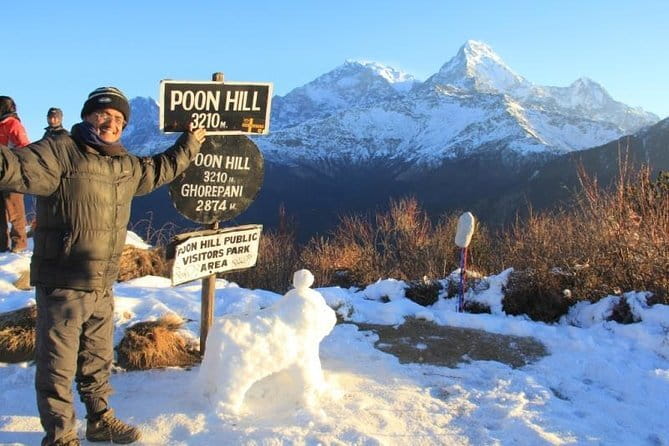
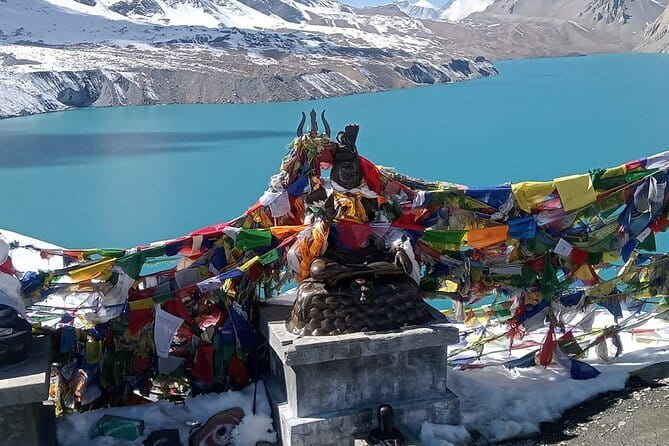
This is the day that makes people talk about the Annapurna Circuit. The route peaks at Thorong La Pass (5,416m), and your itinerary includes a demanding hiking day of about 8 to 9 hours between higher sections and the Muktinath area.
Physically, it’s hard for a few reasons:
- altitude reduces how much you can do quickly
- wind can make cold feel sharper
- you’ll want to conserve energy for the crossing and the long descent afterward
Culturally, it’s just as big. Muktinath is where the trip’s spirituality becomes visible in the landscape through Buddhist and local religious sites. The route description frames it as part of the high-altitude cultural circuit, and the general emphasis on ancient monasteries and Buddhist stupas along the journey fits here.
Practical consideration: strong winds in the higher sections are mentioned in the plan. If you’re prone to cold, plan your layers. If you’re prone to fear of heights, remember you’re guided and you keep your focus on the step in front of you, not the drop beside you.
This is also where guide skill shows. Past groups praised guides like Krishna for friendly communication and adjusting pace to fit the group. That kind of flexibility is valuable when conditions and bodies vary.
Kali Gandaki descent to Jomsom: scenery changes again, and so does the pace
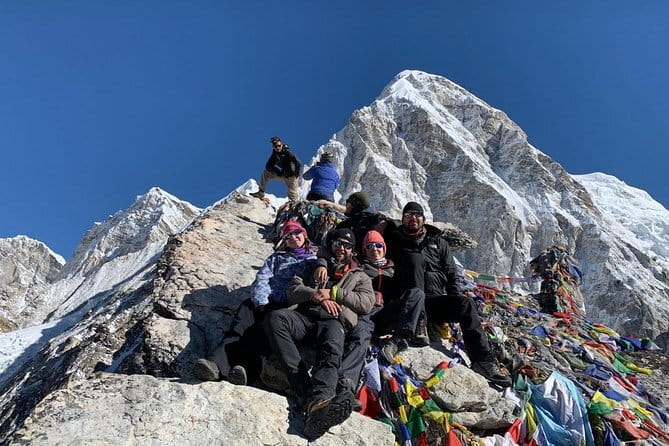
After Muktinath, you continue along the route through lush meadows, orchards, and streams toward Jomsom. The hiking portion here is about 6 hours. You also pass Kagbeni, a village in the Kali Gandaki Valley area.
This is the phase where the route often feels different—not just “lower,” but more varied. Meadows and streams mean you might find your appetite returns. You’re also moving toward a more village-and-valley rhythm as you approach Jomsom.
Why Jomsom matters: it’s your bridge point between the trekking world and the road-and-city world. You don’t stay in endless hiking mode. Instead, you finish strong on the trail and then transition into rest and recovery time.
Pokhara time: lake views and a break from high altitude
Once you reach the valley area, you drive to Pokhara. The transfer is described as a 7–8 hour local bus journey, arriving in Tatopani via Beni Bazaar, and then continuing on to Pokhara.
Pokhara is famous for its lake—Phewa Tal is named directly—and it’s also popular with travelers for a reason: the pace is gentler and the scenery feels easier to enjoy after days of climbing. This is where you cash in your “I survived” energy. Eat well, hydrate, and sleep like your body means it.
The program includes 1 night accommodation in Pokhara with breakfast. That’s a helpful buffer. You’re not forced to scramble for last-minute hotels or figure out what time to move next.
Back to Kathmandu and home departure without the stress tax
From Pokhara, you head back to Kathmandu by drive (about 7–8 hours). Then on the final day, you’re transferred to Tribhuvan International Airport at least three hours before your scheduled departure. That buffer is practical. It avoids the last-minute stress that can happen with paperwork, lines, or traffic.
This is the part where you start processing what you saw: the lush-to-arid transformation, the Tibetan-influenced villages, the high pass drama at 5,416m, and the long stretches where the trail feels like it belongs to the mountains more than to you.
Price and value: what $680 really covers
At $680 per person for a roughly 12-day experience, you’re paying for more than a route. You’re paying for the “stuff that can go wrong”:
- hotel pickup and drop-off
- Kathmandu 2 nights and Pokhara 1 night with breakfast
- guesthouse accommodation during the trek
- trekking permit and official documents handled for you
- a guide, plus trekking pole per person
- transfers by shared bus according to the plan
- a private tour setup for your group (even if portions use shared transport)
That’s solid value, especially if you want an organized experience without doing the admin-heavy parts yourself. You don’t just buy steps. You buy reduced friction.
What’s not included matters too:
- food and drinks are available for purchase, around US$25 per day (estimate given)
- gratuities are optional
So when you budget, think beyond the base price. The trekking itself is only part of the cost picture; your daily meals and drinks add up. The upside is you have flexibility to choose what you eat on the trail rather than being forced into one set menu.
Group discounts and a mobile ticket are also listed, which can reduce hassle if you’re coordinating with friends or family. Just remember the trek still depends on weather and your own pacing—those are never fully predictable.
Who this trek suits best (and who should reconsider)
This trek fits you best if:
- you have a strong physical fitness level (it’s stated plainly)
- you want a guided route with cultural context, not just silent hikes
- you’re comfortable with altitude as a real factor
It’s less ideal if you’re hoping for an easy vacation. This is a high pass trek with a long demanding day (8–9 hours) and the pass at 5,416m. If your hiking experience is limited, you’ll need serious training before you go.
That said, the trip structure helps. The acclimatization time in Manang, plus active rest guidance, gives your body a chance. It doesn’t remove difficulty, but it makes the challenge more manageable.
Should you book CAN Travels for the Annapurna Circuit?
If your goal is the real Annapurna Circuit experience—classic climbing, Tibetan-influenced villages, and a guided, organized flow from Kathmandu to Pokhara—this is a strong option. The biggest selling point is the combination of guided support, acclimatization planning, and the way the itinerary balances hiking with recovery and cultural stops.
You should book if you:
- want an English-speaking trekking guide and cultural explanations
- value included permits and transfers
- like the idea of finishing with Pokhara’s lake time instead of jumping straight back into travel chaos
You might hesitate if:
- you don’t have the fitness base for long uphill days and a high pass crossing
- you expect the trek to be mostly flat or low-stress
For the right hiker, this trip earns its place. You’ll come away tired in a good way, with mountain views that feel earned—and with the kind of Nepal memories that don’t fade fast.
FAQ
What is the highest point on this Annapurna Circuit trek?
The route includes crossing Thorong La Pass at 5,416m.
How long is the trek and what’s the overall trip length?
The experience runs for about 12 days.
Does the price include accommodation in Kathmandu and Pokhara?
Yes. The package includes Kathmandu (2 nights) and Pokhara (1 night) accommodation with breakfast, plus guesthouse accommodation during the trek.
What does the price include besides the trek?
Included items are airport/hotel pickup and drop-off, an English-speaking trekking guide, trekking permits and official documents, round-trip transfers by shared bus, and a trekking pole per person. It’s also set up as a private tour for your group.
What’s not included for food and drinks?
Food and drinks are not included; they’re available for purchase, with an estimate of about US$25 per day. Gratuities are also not included.
What is the cancellation refund window?
You can cancel up to 3 days in advance for a full refund. If you cancel less than 3 days before the start time, the amount paid is not refunded.