REVIEW · EVEREST BASE CAMP TREKS
Everest Base Camp trek 12 days from Kathmandu
Book on Viator →Operated by Breakfree Adventures Pvt. Ltd. · Bookable on Viator
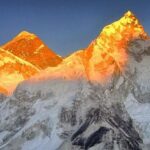
Everest Base Camp is famous for a reason. This 12-day trek strings together the key Everest sights: Namche Bazaar, Tengboche, Base Camp, and the sunrise-style viewpoint from Kala Patthar.
I like that this plan is built around real altitude rhythm, with acclimatization days rather than just walking higher each day. You also get practical support baked in: a highly experienced government-licensed guide, guest-house stays (twin sharing), and meals during the trek.
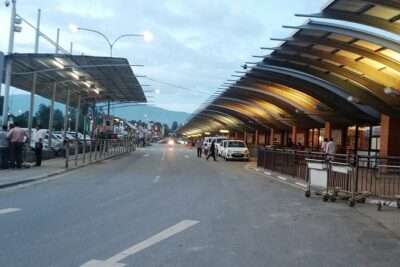
One thing to plan for is timing and logistics around Lukla flights in peak season. When Kathmandu traffic gets heavy, you’ll fly via Ramechhap, a 5–6 hour drive from Kathmandu, and you may leave as early as 1 AM.
In This Review
- Key Highlights You’ll Actually Feel on the Trek
- Everest Base Camp in 12 Days: What Makes This Route Work
- Price and Logistics: How the $1,600 Adds Up (and Where It Doesn’t)
- Kathmandu to Lukla: Your First Step Into the Khumbu
- Phakding to Namche Bazaar: The Market Town at 3,440m
- Acclimatization in Namche + Everest View Hotel: Smart Breathing for Big Goals
- Namche to Tengboche: Culture, Monastery Calm, and Mountain Drama
- Dingboche and the High-Altitude Feel: Days That Teach Patience
- Lobuche to Gorak Shep + Everest Base Camp: The Long Day With the Main Event
- Kala Patthar From Gorak Shep: Close Everest Views at 5,550m
- Pheriche Back to Namche + The Final Descent to Lukla
- Ramechhap Flights in Peak Season: The Quiet Detail That Can Save Your Trip
- What You Get in the Bag: Included Gear That Changes the Math
- Food, Lodges, and Daily Comfort: What Included Meals Really Mean
- How Tough Is This? Fitness, Altitude, and Smart Pacing
- Who Should Book This Everest Base Camp Trek
- Should You Book It
- FAQ
- How long is the Everest Base Camp trek?
- What’s the highest point on this trek?
- Where do flights to Lukla depart during peak season?
- How far is Ramechhap from Kathmandu?
- What transport is included in Kathmandu?
- Are flights included?
- Is there accommodation during the trek?
- Are meals included?
- What trek permits and fees are covered?
- What gear is included?
- Is free cancellation available?
Key Highlights You’ll Actually Feel on the Trek
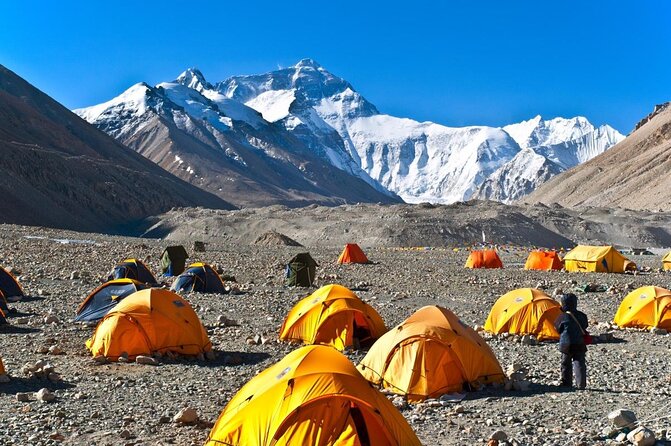
- Short flight to Lukla, fast altitude shift that sets the tone for the whole trek
- Acclimatization built in with stops like Namche and the Everest View Hotel
- Tengboche Gompa adds culture and quiet to big-mountain days
- Kala Patthar at 5,550m is the big viewpoint payoff
- Ramechhap options in peak months keep your schedule workable even when flights reroute
- Gear support included (duffle, down jacket, sleeping bag, walking pole) so you travel lighter
Everest Base Camp in 12 Days: What Makes This Route Work
This trek is the classic Everest route, but the value is in how the days are arranged. You don’t just rush to 5,320m (Everest Base Camp). You build your body into the altitude with a proper acclimatization day in Namche, plus another acclimatization hike around Dingboche.
The itinerary also gives you variety, not just continuous mountain walking. You get a market-and-mountain hub feel in Namche Bazaar, a religious stop at Tengboche, and then the big two: Base Camp and Kala Patthar for close Everest views.
And yes, it’s still a real challenge. The distances are long on paper, and the altitude turns “normal” hikes into slow, careful ones. What I like is that the trek acknowledges that by mixing longer travel days with recovery-focused ones.
You can also read our reviews of more hiking tours in Kathmandu
Price and Logistics: How the $1,600 Adds Up (and Where It Doesn’t)
At $1,600 per person, the headline question is simple: what’s actually included? In this package, you get:
- Round-trip flights between Kathmandu (or Ramechhap) and Lukla
- Accommodation in guest houses/lodges based on twin sharing
- Breakfast, lunch, and dinner during the trek
- A licensed guide plus trekking permits and fees
- Gear support: duffle bag, down jacket, sleeping bag, and walking pole
- A trekking map and a trip achievement certificate
That’s not a small list. It matters because on the Everest trail, the costs that sneak up on you are usually the basics: food, lodging, and getting the right permits and guidance. Here, you’re not left piecing together the whole plan day-by-day.
What’s not included is also clear. You’ll cover personal expenses like phone calls, laundry, battery charging, hot showers, and all drinks. You’ll also want your own rescue/helicopter insurance and medical/evac coverage, since that isn’t part of the package. And if you decide you want a porter beyond the setup, that’s on you too.
Kathmandu to Lukla: Your First Step Into the Khumbu
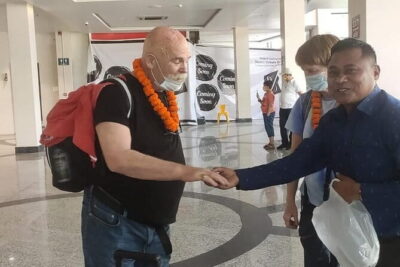
The experience starts with an early morning feel. The stated start time is 5:15 am, and you’ll have a pickup/drop-off service tied to the itinerary (sharing basis).
Day one is a short flight (about 40 minutes) from Kathmandu to Lukla, then a downhill-then-up walk into Phakding (about 3–4 hours). Even though the day is not extreme, it’s important psychologically: Lukla is where the trek truly begins. The airplane gets you up fast, but your body still needs time to settle.
I like this start because it gives you a gentle entry after travel. You won’t be sprinting into altitude with a full-body “shock” immediately. Instead, you walk into the Phakding area and get used to the rhythm: steady pace, short breaks, and drinking water even if you don’t feel thirsty.
Phakding to Namche Bazaar: The Market Town at 3,440m
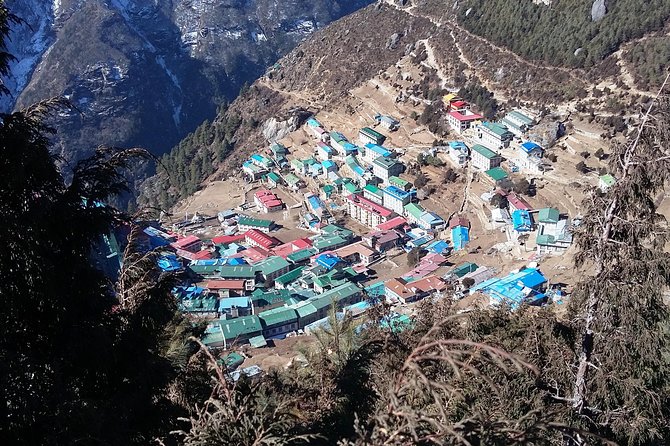
Day two is your main climb into Namche Bazaar (about 6–7 hours). This is where the trek turns from “path in the mountains” into “real place.” Namche is a hub, full of lodge rooms, tea houses, and a constant flow of trekkers adjusting their plans.
What you’ll like here is the sense of orientation. Namche is the gateway feeling you hear about for a reason. When you arrive, you’re not just passing through altitude—you’re arriving at a town that functions like base camp for the higher days.
The trade-off is that Namche also makes you think about your schedule. You’ll likely notice how many people are planning their next steps, and it can add pressure if you’re a fast walker trying to keep up. The win is to stay calm. Use Namche as a reset: eat well, sleep carefully, and don’t treat the next day like a race.
Acclimatization in Namche + Everest View Hotel: Smart Breathing for Big Goals
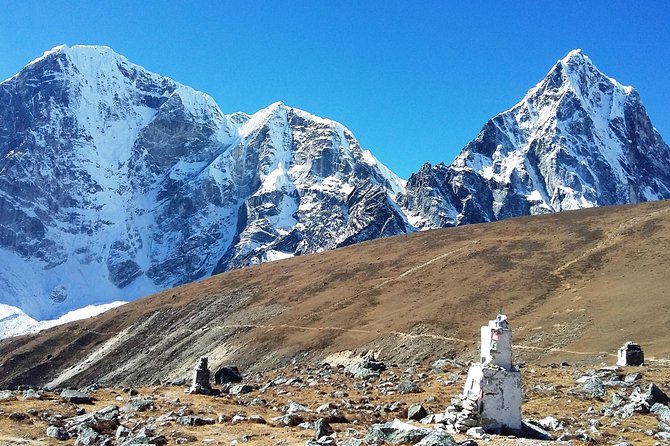
Day three is an acclimatization day in Namche, with a hike to the Everest View Hotel (about 3–4 hours). This is one of the smartest parts of the plan because it’s not just “rest day.” You move, you climb, you feel the altitude, and then you come back down to sleep lower.
That hike also gives you a viewpoint experience without throwing you straight into the highest walking days. At the same time, you get the emotional payoff: seeing what all this effort is aiming at.
In practical terms, acclimatization days are your insurance policy. You can’t completely eliminate altitude risk, but you can reduce the chances of getting hammered by the climb. I’d treat this day as training for how you’ll pace yourself later: slow steps, frequent water sips, and no hero moves.
Namche to Tengboche: Culture, Monastery Calm, and Mountain Drama
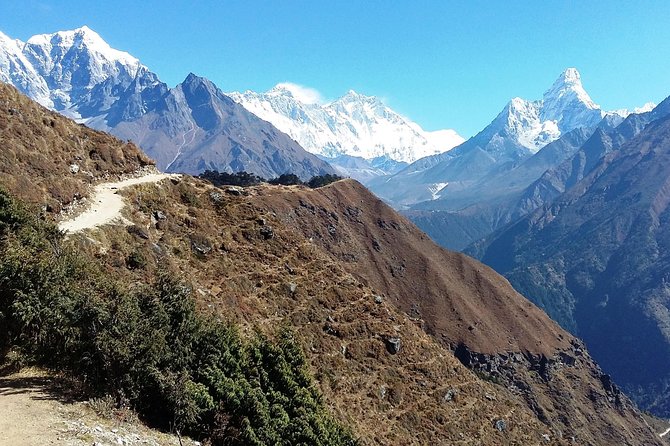
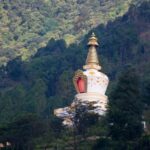
Day four takes you from Namche Bazaar to Tengboche (about 5–6 hours). This is where the trek’s character shifts. Tengboche Gompa is an important religious site in the region, and that matters more than a quick photo stop.
Why? Because your senses get tired on this trek. When the mountains get intense, it helps to have a day where the route encourages quiet and reflection. Tengboche is a natural break in the story.
The potential drawback is timing. Tengboche is a busy place when weather is good, and lodges can fill. If you’re picky about the comfort of your room, you’ll want to arrive with the group on schedule. The good news is that the trek is guided, so you’re not left guessing logistics on the fly.
Dingboche and the High-Altitude Feel: Days That Teach Patience
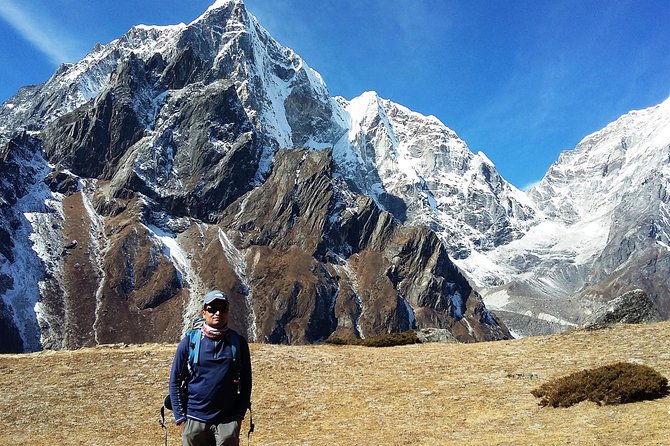
Day five brings you to Dingboche (about 5–6 hours). Dingboche is higher (4,410m listed), and you’ll notice the thin-air feel quickly. By this stage, your body is starting to run on a slower clock.
Day six is another acclimatization day: a hike to Nagarjun hill (about 4–5 hours at around 5,100m). This is the same principle as Namche: go high, then return to sleep lower. It’s hard, but it’s structured hard.
I like that the itinerary doesn’t pretend altitude is simple. It’s not. These extra climbs give you a chance to observe yourself. If you feel off, you can tell your guide early. A good guide will adjust pace and remind you to drink and eat.
Lobuche to Gorak Shep + Everest Base Camp: The Long Day With the Main Event
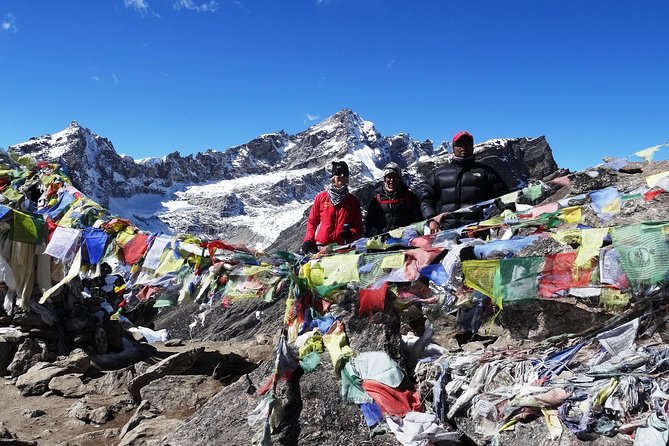
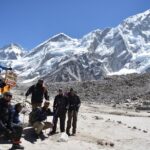
Day seven moves from Dingboche to Lobuche (about 4–5 hours). The next day is the big push: Lobuche to Gorak Shep, then the hike to Everest Base Camp (listed around 7–8 hours).
This is one of those days where “effort” and “reward” are tightly connected. The walking is long. The altitude makes it slower than you think. You’ll likely want frequent stops, not constant motion.
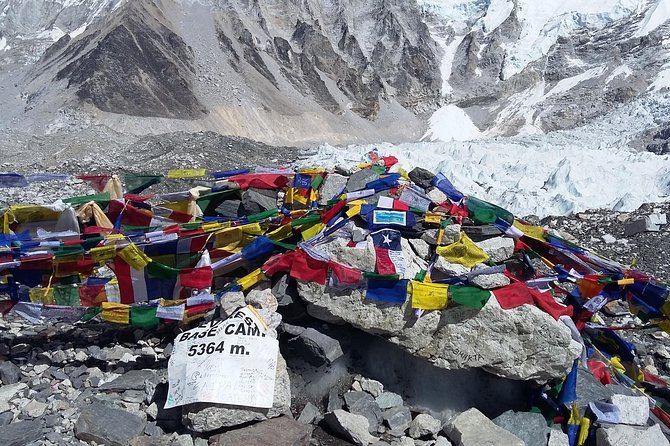
The goal is Everest Base Camp at 5,320m plus time in the Khumjung/Khumbu Glacier area in the broader region. Even though the base camp itself is not a permanent city, it represents the start line for expeditions—and that meaning hits hard when you get there.
Practical note: don’t treat this day like a single straight hike with no downtime. You’ll want time for your body to catch up with your plans, and time to absorb what you’re seeing.
Kala Patthar From Gorak Shep: Close Everest Views at 5,550m
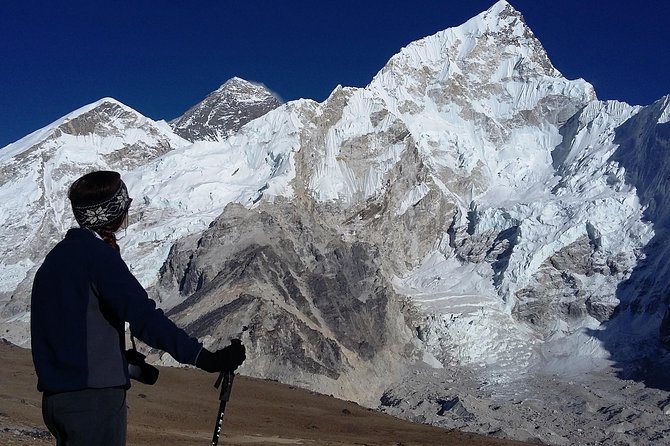
Day nine is the viewpoint crescendo: Gorak Shep to Kala Patthar (5,550m), then down to Pheriche (about 6–7 hours).
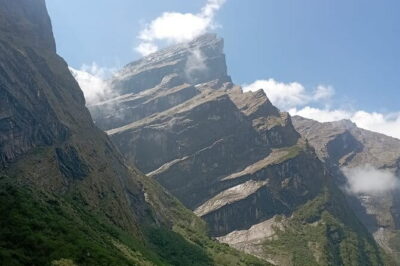
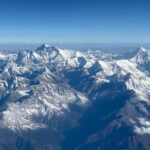
Kala Patthar is where the trek earns its legend. You’re up high, and the views get personal—close Mt. Everest sightlines and broad panorama of the Khumbu mountains.
The consideration here is weather and energy management. You’re climbing to the highest point on the trek, and then you’re also descending. It can feel like two hikes stapled together.
If you want the best experience, focus on steady movement. You’ll gain more by preserving energy than by pushing hard in short bursts. Also, protect yourself from cold once you’re high. That down jacket and sleeping bag being provided helps, but your layering habits still matter.
Pheriche Back to Namche + The Final Descent to Lukla
Day ten is Pheriche to Namche Bazaar (about 6–7 hours). By now you’ll likely feel the trekking “ledger”: feet tired, lungs adapting, and mind ready to be done.
Still, this leg is valuable. Namche is not just a checkpoint. It’s where you’ll decompress before heading back to Lukla, and it’s also where you can confirm your timing and flight readiness.
Day eleven is Namche to Lukla (about 6–7 hours), a longer descent day in feel if not in pure distance. Then day twelve is straightforward: fly back to Kathmandu.
The win here is that you’re not left with surprise days or curveballs. You finish in the same corridor you started, which makes the ending feel clean.
Ramechhap Flights in Peak Season: The Quiet Detail That Can Save Your Trip
Here’s the logistics detail that matters most: during peak seasons (March–May and Sep–Nov), flights to Lukla may be operated from Ramechhap Airport instead of Kathmandu due to air traffic.
Ramechhap is a 5–6 hour drive from Kathmandu. You have two options:
- Travel to Ramechhap the day before the flight and stay overnight
- Depart from Kathmandu at 1:00 AM on the day of the flight
I like that the plan gives you choices, because they match different travel styles. If you hate ultra-early starts, go for the overnight option. If you’re comfortable with long travel days and want to reduce overnight logistics, the 1 AM plan can work.
This is also where your packing matters. You’ll want gear accessible for long hours in transit. If you treat the airport day like a normal travel day, you’ll feel much better.
What You Get in the Bag: Included Gear That Changes the Math
This trek includes some heavy-hitter gear: duffle bag, down jacket, sleeping bag, and a walking pole. That’s a big deal if you’re coming from abroad and don’t want to rent or buy bulky items.
Still, gear isn’t magic. You’ll need to use it correctly:
- Your down jacket will help in cold temperatures, especially at high altitudes.
- The sleeping bag matters for guest house stays where bedding quality can vary.
- A walking pole helps with knee comfort on descents, which are frequent.
If you already own good trekking gear, you can compare what you’re carrying versus what’s provided. But if you’re trying to travel lighter, this inclusion is one of the clearest value points in the package.
Food, Lodges, and Daily Comfort: What Included Meals Really Mean
You get breakfast, lunch, and dinner during the trek. In practice, this is about reducing decision fatigue. You’re not scrambling for what to eat at every stop, and you’re less likely to end up under-fueled.
Guest houses/lodges are listed for accommodation on twin sharing. That usually means simple rooms, shared bathrooms, and a steady supply of hot drinks for sale. But drinks are not included, and bottle water also isn’t included—so plan to budget for hydration choices.
The practical consideration is to accept that “comfort” on the Everest trail is functional, not luxurious. The good part: once you’re fed, rested, and moving with your group, you can focus on the views and the feeling of climbing toward the world’s highest peaks.
How Tough Is This? Fitness, Altitude, and Smart Pacing
The trek is described as suitable for people with basic fitness and no prior experience needed, which makes it friendly for beginners. But basic fitness doesn’t mean “easy.” You’ll still walk many hours a day, and altitude will slow you down.
The route includes a steady climb pattern with acclimatization days, which helps you match effort to your body’s response. Your job is to listen: take breaks, hydrate, and keep moving slowly rather than fast.
I’d also plan mentally for the range of weather. Even if you’re lucky with skies, cold and wind can show up at higher elevations. This is another reason the provided down jacket and sleeping bag are helpful.
Who Should Book This Everest Base Camp Trek
This is a strong match if you:
- Want the classic Everest sights in a 12-day format
- Prefer a guided plan with permits handled and meals included
- Value a government-licensed guide and a structured pace
- Like the idea of both big views (Base Camp, Kala Patthar) and calmer moments (Tengboche Gompa)
- Are concerned about packing and want included gear
It may be less ideal if you strongly dislike early starts, because the start time is set early and peak-season Lukla rerouting can mean very early departures from Kathmandu or a pre-destination travel day to Ramechhap.
Should You Book It
I think it’s a good choice if you want a reliable, organized Everest Base Camp route with key Everest highlights and enough acclimatization to make the trip feel safer and more enjoyable. The biggest “yes” for me is value: you’re getting flights, permits, guide support, lodging, and meals, plus cold-weather gear that can be expensive or annoying to handle on your own.
Before you book, be honest about two things: your comfort with long walking days at altitude, and your willingness to deal with Ramechhap logistics in peak months. If those fit your style, this trek is set up to deliver the views and the journey.
FAQ
How long is the Everest Base Camp trek?
It runs for 12 days approximately.
What’s the highest point on this trek?
Kala Patthar is listed at about 5,550 meters, and Everest Base Camp is listed at about 5,320 meters.
Where do flights to Lukla depart during peak season?
During peak seasons (March to May and September to November), flights to Lukla may operate from Ramechhap Airport instead of Kathmandu due to air traffic.
How far is Ramechhap from Kathmandu?
Ramechhap Airport is about a 5–6 hour drive from Kathmandu.
What transport is included in Kathmandu?
There is a Kathmandu or Ramechhap Airport pick up and drop off service based on a sharing basis, as per the itinerary.
Are flights included?
Yes. Flight fare from Kathmandu (or Ramechhap) to Lukla and back to Kathmandu (or Ramechhap) is included.
Is there accommodation during the trek?
Yes. You’ll stay in guest houses/lodges based on twin sharing.
Are meals included?
Yes. Breakfast, lunch, and dinner are included during the trek. Drinks are not included.
What trek permits and fees are covered?
All necessary trek permits and fees are included.
What gear is included?
A duffle bag, down jacket, sleeping bag, and walking pole are included.
Is free cancellation available?
Yes. You can cancel up to 24 hours in advance for a full refund, based on the experience’s local start time rules provided.