REVIEW · 1-DAY TOURS
7-Heritage of Kathmandu: At your comfort 1-Day Tour
Book on GetYourGuide →Operated by Cordial Trek Pvt. Ltd. · Bookable on GetYourGuide
Kathmandu’s heritage feels like a living puzzle. This relaxed 1-day circuit strings together all 7 UNESCO World Heritage Sites in Kathmandu Valley, with a licensed guide and time to actually look, ask questions, and catch your breath. You get hotel pickup, an air-conditioned private vehicle, and a smooth rhythm that doesn’t feel like a mad dash.
I especially like the mix of Hindu and Buddhist sacred places you’ll visit back-to-back, because it shows how tangled and shared these cultures can feel in daily Kathmandu life. The best part is the “at your pace” style: you’re not rushed through big moments like Durbar Squares, giant stupas, and working temples.
One caution: it’s a long day with a lot of driving in busy traffic. If you’re prone to motion sickness or you hate waiting in cars, you’ll want to manage expectations and keep the stops as your payoff.
In This Review
- Key Things I Think You’ll Notice
- The Real Value: 7 UNESCO Stops Without the Stress
- Kathmandu Durbar Square and Kumari: The Day’s Big First Scene
- Swayambhunath (Monkey Temple): A Hilltop That Changes the Mood
- Patan Durbar Square: When Craft and Power Show Up Together
- Bhaktapur Durbar Square: The Stop That Feels Like a Time Capsule
- Lunch Break: A Break in the Middle of the Circuit
- Changu Narayan: Hilltop Temple Energy
- Boudhanath Stupa: Tibetan Buddhism in Kathmandu’s Center
- Pashupatinath Temple: A Working Pilgrimage Site (With Real Rituals)
- Price and Logistics: What $7 Really Buys You
- Who This Tour Fits Best (And Who Should Think Twice)
- Should You Book This 7-Site Kathmandu Day Tour?
- FAQ
- What’s included in the Kathmandu Valley 1-Day Heritage Tour?
- What UNESCO sites will I visit in one day?
- Are entrance fees to monuments included?
- Is lunch included?
- How long is the tour, and what time does it start?
- What languages does the guide speak?
- Is there a limit on luggage or items?
- Is the tour wheelchair accessible?
- Can I cancel for a refund?
Key Things I Think You’ll Notice
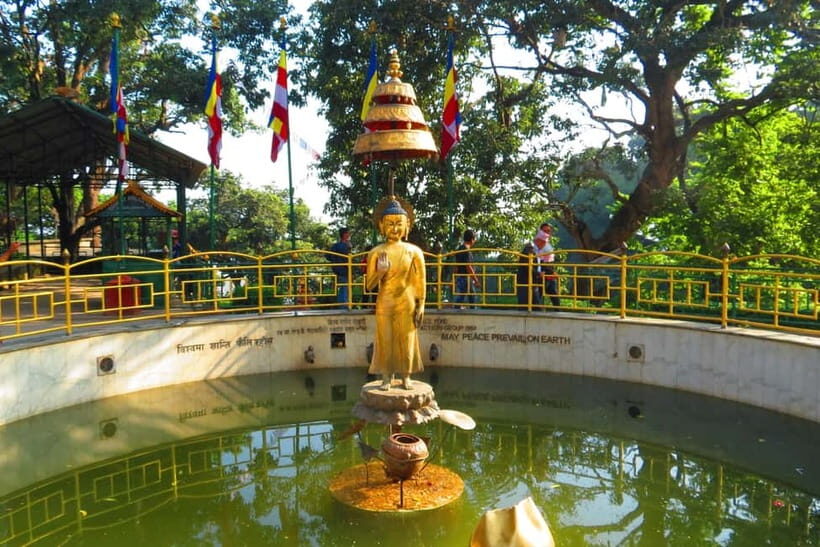
- All 7 UNESCO sites in one day: a fast route across Durbar Squares, hilltop temples, stupas, and pilgrimage sites
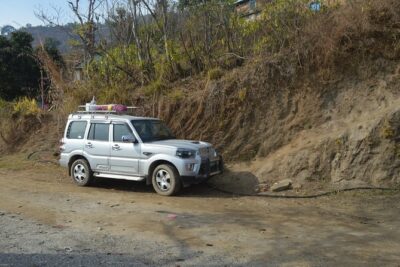
- Private air-conditioned vehicle: easier for comfort and timing than public transport
- Cultural “shock absorbers” built in: several stops give you natural breaks from the heat and crowds
- Kumari viewing at Kathmandu Durbar Square: a rare chance to witness the Living Goddess tradition
- Express security check: you skip the slow back-and-forth at entry points
- Bottled water and a real guide: helps you make sense of what you’re seeing, not just where to stand
The Real Value: 7 UNESCO Stops Without the Stress
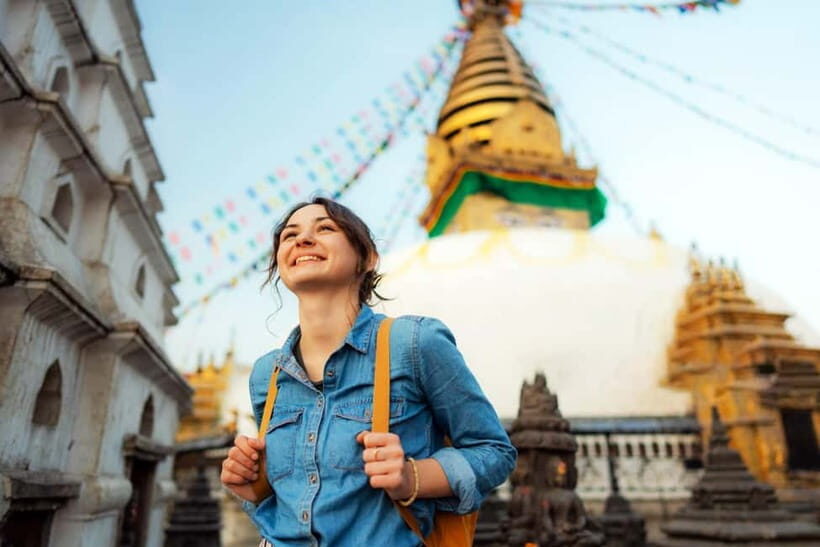
This tour is built for people who want the big-name heritage circuit, but don’t want the usual “stop-and-sprint” energy. The price is low enough that you’re going to feel good about the value, especially because you’re getting a private vehicle, hotel pickup/drop, a guide, and bottled water.
The schedule is also paced in a smart way. You’ll start at 8:00 AM and go until early evening (return time is flexible depending on how you pace each stop). That gives you enough time to wander, take photos, and still cover everything on the list of Kathmandu Valley UNESCO sites.
Also, you’re not stuck guessing. The guide helps connect what you see—temples, statues, ritual spaces—with why people come here. That matters, because Kathmandu heritage sites can look like “stone and stairs” until someone points out the story hiding in the details.
You can also read our reviews of more historical tours in Kathmandu

Kathmandu Durbar Square and Kumari: The Day’s Big First Scene
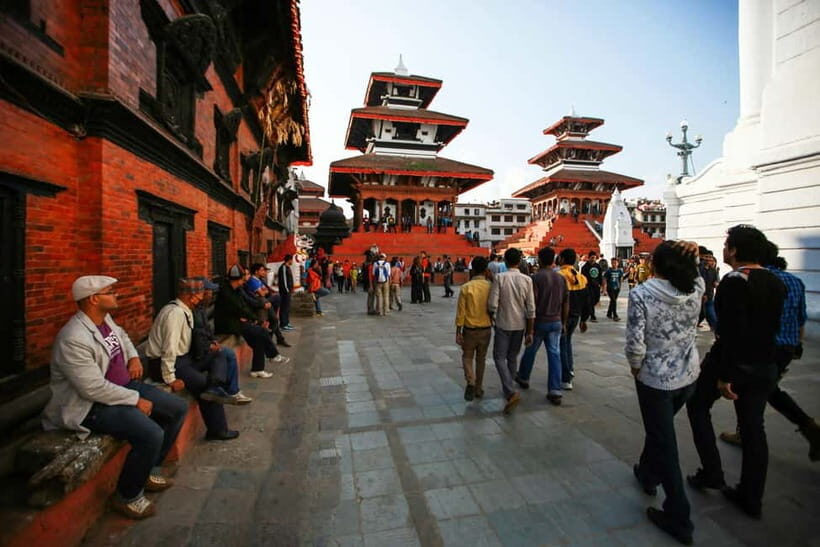
Your morning begins with a short drive to Kathmandu Durbar Square, the former royal palace complex. This place isn’t just architecture. It’s a working cultural center where old royal space still influences what happens there today.
You’ll get around 45 minutes with a guided visit. The standout moment is the chance to witness Kumari, the Living Goddess. Even if you’ve heard about Kumari before, seeing the tradition in its actual setting feels different. It’s not a museum display; it’s part of a continuing practice embedded in the square.
Practical tip: Durbar Squares can get crowded, and the morning heat ramps up quickly. Keep water handy, stay near your guide for timing, and don’t worry if you need extra seconds to look up at carvings or down at the courtyard layout.
Swayambhunath (Monkey Temple): A Hilltop That Changes the Mood
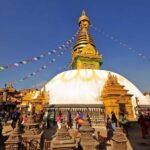
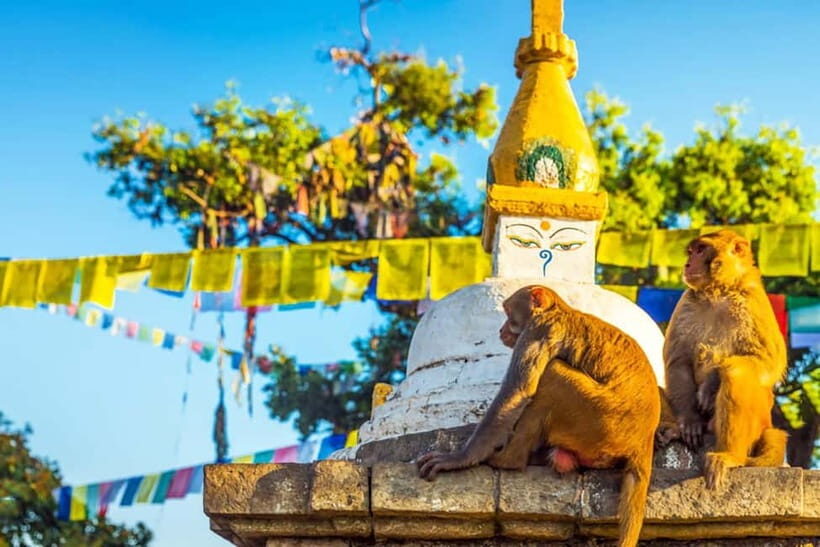
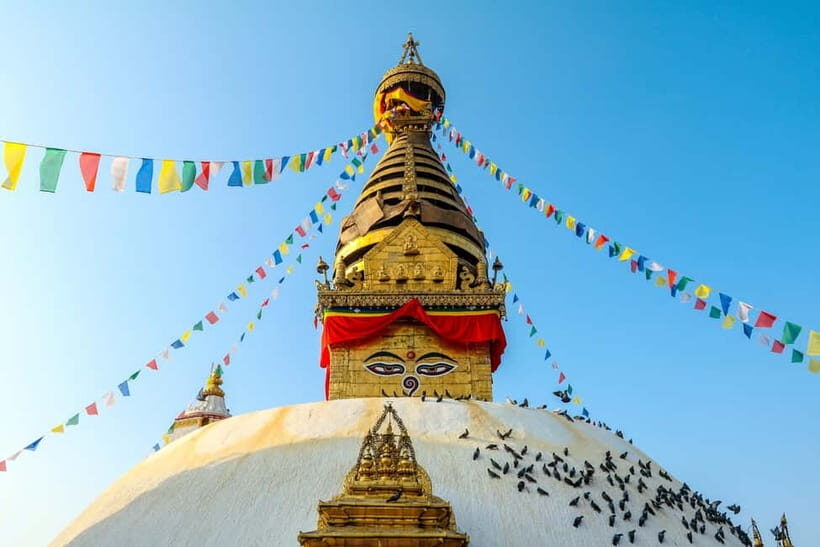
Next you head uphill to Swayambhunath, often called the Monkey Temple. Expect a 45-minute guided visit and a real shift in atmosphere once you’re on the hilltop. The complex is ancient and deeply spiritual, and the monkeys are part of the daily choreography.
Why this stop matters: Kathmandu’s sacred sites often have a strong visual “language”—stupas, prayer spaces, and routes people walk in certain directions. At Swayambhunath, you get that sense of movement and devotion at close range, plus a great view of the valley depending on the sky.
Practical tip: if you’re carrying anything snack-like or shiny, keep it secured. Monkeys are not your enemies, but they do behave like curious chaos.
Patan Durbar Square: When Craft and Power Show Up Together
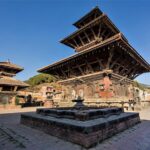
After Swayambhunath, you’ll drive to Patan Durbar Square (about a 15-minute ride). This was the royal seat of the Malla kings of Lalitpur, and you can feel that royal ambition in the layout—temples, courtyards, and statues all arranged to project status.
You’ll spend about an hour here, guided. What I like about this stop is how it complements Kathmandu Durbar Square without being repetitive. Patan’s heritage feels more focused on craft and artisan detail—stonework, temple forms, and sculptural faces that keep catching your eye from different angles.
It’s also a good “rest stop” for your brain. Instead of moving toward a single big moment, Patan invites careful looking. Use the guide to spot key points—otherwise it’s easy to spend 10 minutes on one corner and miss the bigger composition.
Bhaktapur Durbar Square: The Stop That Feels Like a Time Capsule
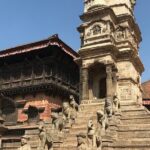
Then comes one of the most rewarding stretches: Bhaktapur Durbar Square. You’ll have about 85 minutes with a guided visit, which is just enough time to understand the main highlights without feeling dragged through everything.
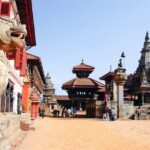
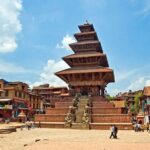
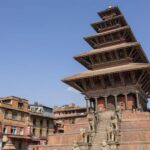
This palace complex of the Malla kingdom is known for being remarkably preserved. You’ll hear about and see standout elements like the 55-Window Palace, the Golden Gate, the Nyatapola Temple, and the statue of King Bhupatindra Malla.
Here’s what makes Bhaktapur special on a day like this: it’s one of those heritage spaces where you can start recognizing patterns. Once you see the style repeated—temple shapes, courtyard design, the way stonework is used to signal status—you stop treating the sights like random photos and start seeing the design system.
Practical caution: Bhaktapur can involve more walking over uneven ground. Wear shoes you trust, and if you need extra time at a particular highlight, ask your guide to adjust your pace—this is designed for comfort, not a forced stamp-collecting run.
You can also read our reviews of more tours and experiences in Kathmandu
Lunch Break: A Break in the Middle of the Circuit
You’ll take a lunch break around 1:30 PM. The tour schedule lists lunch time, but meals and beverages are not included as part of the standard cost.
So treat this as a chance to refuel rather than a guaranteed “included lunch.” If you’re picky about food or sensitive to spicy meals, keep that in mind and go slow. One of the best ways to enjoy a long heritage day is to avoid doing anything that hits your stomach hard halfway through.
Changu Narayan: Hilltop Temple Energy
After lunch, you head to Changu Narayan Temple. It sits high on a hilltop and you’ll have around 30 minutes with the guide.
This is a Hindu temple dating back to at least the 5th century AD. What you’ll feel here is a calmer, more grounded kind of sacred space compared with the Durbar Square buzz. You’re visiting a temple site that isn’t just about spectacle—it’s about the setting, the approach, and the sense of time depth.
Practical tip: the hilltop approach can feel exposed. Bring sun protection and pace your steps. Your guide can also help you spot the best angles for photos without wasting time.
Boudhanath Stupa: Tibetan Buddhism in Kathmandu’s Center
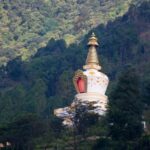
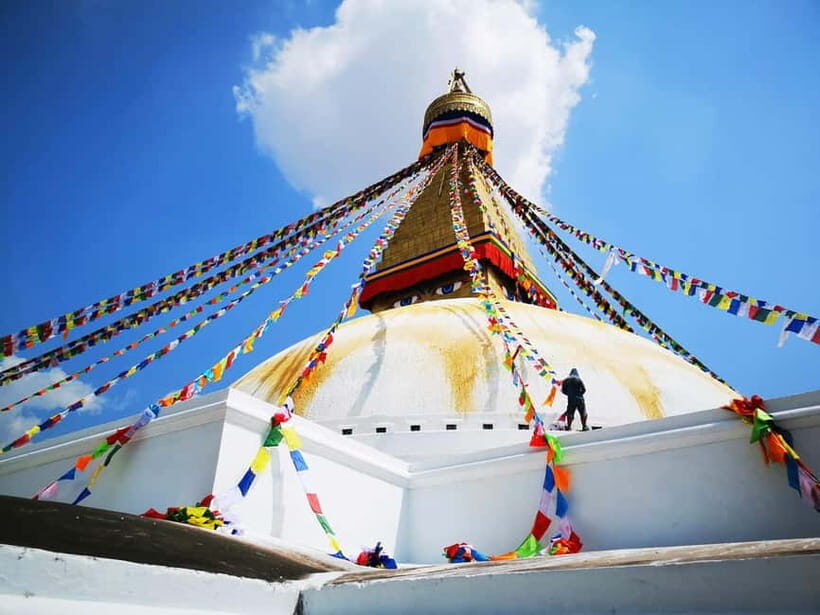
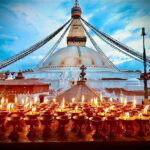
Next up is Boudhanath Stupa, one of the largest spherical stupas in Nepal and a major Tibetan Buddhist hub. You’ll have about an hour here with a guided visit.
The area around Boudhanath is often called Little Tibet, and it feels that way: you get Tibetan Buddhist art, prayer practices, and a continuous flow of people doing devotion in their own rhythm. This stop balances the heavier “temple-and-ritual” vibe of earlier sites with a more meditative feel.
How to enjoy it: slow down. Watch how people move around the stupa area, how they pause, and where they direct their attention. A guide here helps a lot because you’ll notice symbols and ritual behaviors you might otherwise overlook.
Pashupatinath Temple: A Working Pilgrimage Site (With Real Rituals)
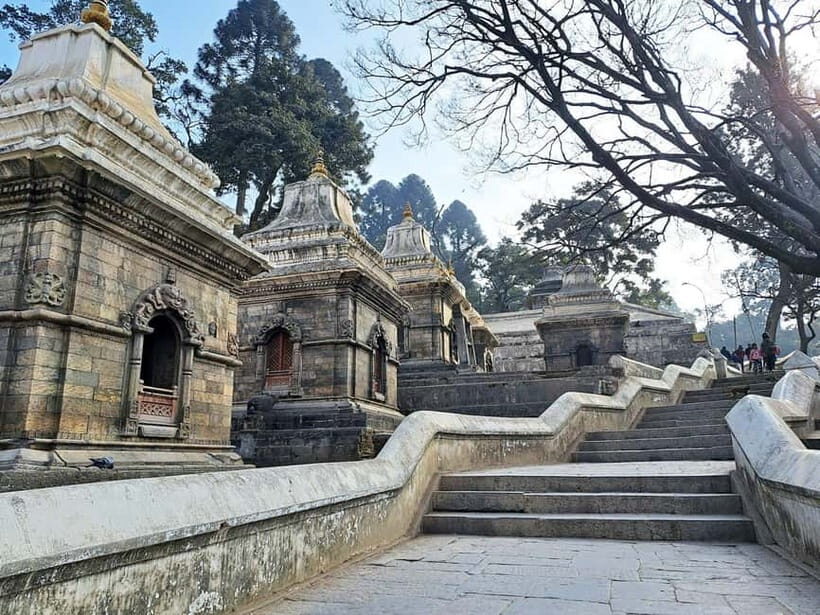
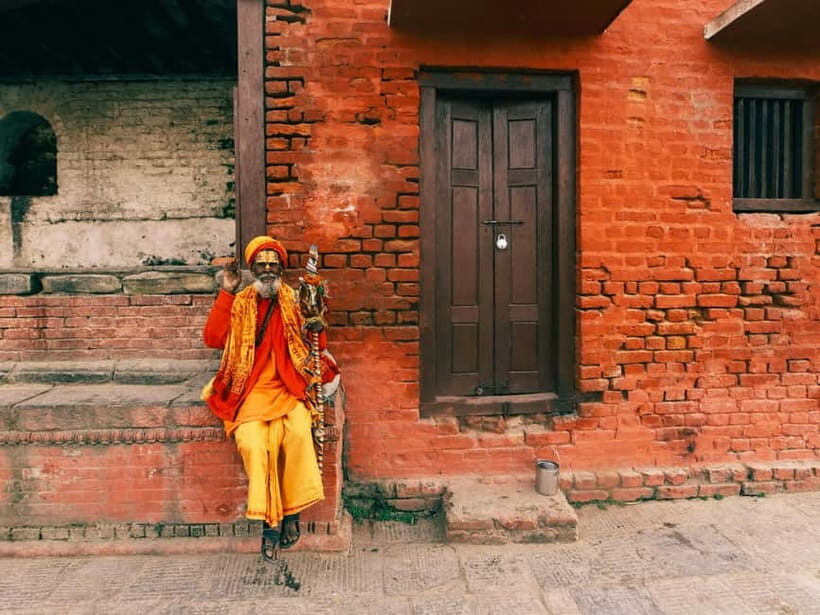
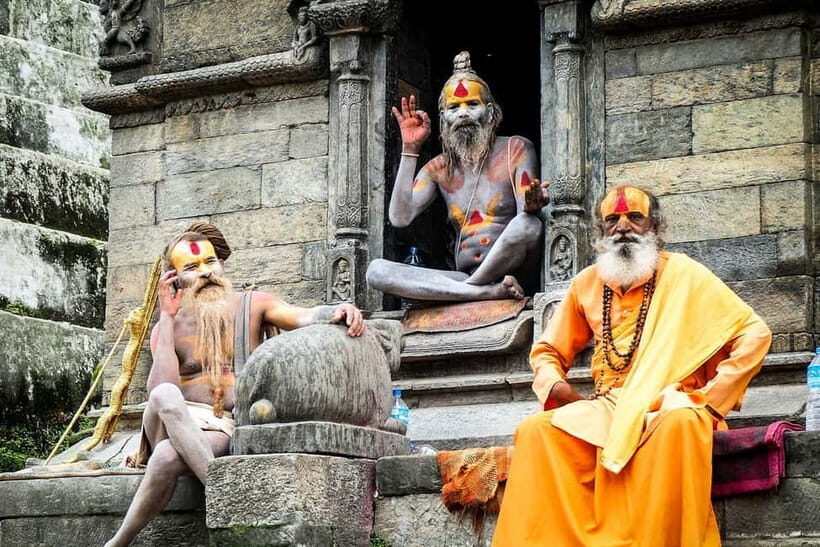
Finally, you reach Pashupatinath Temple, Kathmandu’s major Hindu pilgrimage site for Lord Shiva. You’ll spend around 1.5 hours and you may also have a chance to see the evening arati depending on timing.
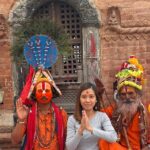
One of the most powerful aspects here is the proximity to the Bagmati River and the view of Hindu cremation ceremonies. This isn’t staged tourism. It’s part of an active religious system with strong cultural meaning.
If you’re squeamish, come prepared for reality. If you’re open-minded, you’ll likely find this is the most emotionally intense stop of the day—not because it’s “dark,” but because you see how belief shows up in practice.
A good way to handle it: follow your guide’s lead on where to stand and when to look. You’ll get the most out of the moment without turning it into a forced spectacle.
Price and Logistics: What $7 Really Buys You
At $7 per person for about 10 hours, this tour is priced like a value deal. The catch is that it’s not claiming to be luxury. It’s comfort-focused: air-conditioned private vehicle, a licensed experienced guide, bottled water, and pickup/drop.
What you should expect to pay extra for:
- Monument entrance fees (an add-on option may be available)
- Meals and beverages (there’s a lunch break, but food isn’t included)
So the true cost depends on entrance fees and what you choose to eat. Still, the big “value” is that you’re not paying for multiple separate tours or figuring out transport between sites yourself.
Also note the tour includes express security check. That may sound minor, but in Kathmandu it can save time and reduce friction when you want to keep moving.
Who This Tour Fits Best (And Who Should Think Twice)
This is a great choice if:
- You’re visiting Kathmandu for the first time and want the big UNESCO overview fast
- You want a private, air-conditioned day without designing your own route
- You like having a guide explain what you’re seeing, especially at complex sites like Durbar Squares and Pashupatinath
You might want to think twice if:
- You dislike long driving days. You’ll deal with traffic, even though the vehicle is comfortable.
- You’re extremely sensitive to crowds and sacred-site viewing rules.
- You want a slower, more in-depth visit to just one or two sites. This tour is built to cover all seven.
Should You Book This 7-Site Kathmandu Day Tour?
If your goal is to see Kathmandu Valley’s core heritage circuit in one relaxed day, this tour makes a lot of sense. The combination of all 7 UNESCO sites, hotel pickup/drop, private AC comfort, and a guided pace is hard to beat for the price point—especially if it’s your first trip and you want context, not just photos.
Book it if you can handle a long day and you’re willing to follow your guide’s lead at active religious sites. Skip it (or pair it with a slower multi-day plan) if you’d rather linger for hours at fewer places and avoid driving time.
FAQ
What’s included in the Kathmandu Valley 1-Day Heritage Tour?
The tour includes pickup and drop from your Kathmandu hotel/apartment, an air-conditioned private vehicle, a licensed experienced guide, bottled drinking water, and a guided visit covering Kathmandu Valley’s 7 heritage sites. It also includes an express security check.
What UNESCO sites will I visit in one day?
You’ll visit Kathmandu Durbar Square, Swayambhunath (Monkey Temple), Patan Durbar Square, Bhaktapur Durbar Square, Changu Narayan Temple, Boudhanath Stupa, and Pashupatinath Temple.
Are entrance fees to monuments included?
No. Monument entrance fees are not included, though there is an add-on option available.
Is lunch included?
There is a lunch break during the day, but meals and beverages are not listed as included. You’ll likely need to pay for lunch.
How long is the tour, and what time does it start?
It’s a 10-hour tour that begins at 08:00 AM. Hotel pickup is scheduled about 5–10 minutes before pickup time.
What languages does the guide speak?
The live tour guide speaks English and Hindi.
Is there a limit on luggage or items?
Yes. Oversize luggage and luggage or large bags are not allowed. Alcohol and drugs are also not allowed.
Is the tour wheelchair accessible?
Wheelchair accessibility is listed, but it also says it is not suitable for wheelchair users. You should confirm with the operator before booking so you understand what “accessible” means for the specific vehicle and sites.
Can I cancel for a refund?
Yes. Free cancellation is available up to 24 hours in advance for a full refund.