REVIEW · EVEREST BASE CAMP TREKS
12 Days Everest Base Camp Trek
Book on Viator →Operated by himalayan sanctuary adventure private limited · Bookable on Viator
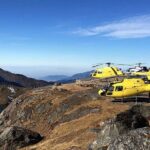
Everest Base Camp starts with paperwork done for you. I like the way this trip handles trekking permits and TIMS in advance, and keeps your daily rhythm practical with teahouse meals planned every trekking night. The only real watch-out is the Lukla flight, which can delay or cancel in bad weather, leaving you waiting in Kathmandu or Lukla.
You’ll trek with an English-speaking, government-licensed guide and a porter set-up (2 trekkers to 1 porter), so you’re spending more energy on the trail than on logistics. This is also a private group, so you won’t get stuck with random pacing.
In This Review
- Key things to know before you go
- Kathmandu to Lukla: when the trek really starts
- How “all-inclusive” works on the mountain (and what it doesn’t)
- The day-by-day trek: what each stop gives you (and what to watch)
- Day 1: Lukla to Phakding via Cheplung village
- Day 2: Phakding to Namche Bazaar through riverside villages
- Day 3: Namche acclimatization with sunrise views
- Day 4: Namche to Tengboche and the monastery moment
- Day 5: Tengboche to Dingboche via Debuche and Pangboche
- Day 6: Dingboche acclimatization with a hike behind town
- Day 7: Dingboche to Lobuche and the base-camp corridor feel
- Day 8: Lobuche to Gorak Shep, then Everest Base Camp
- Day 9: Kala Patthar early morning views and down to Pheriche
- Day 10: Pheriche to Namche Bazaar on the descent
- Day 11: Namche to Lukla and the “we made it” day
- Day 12: Lukla to Kathmandu with transfer and dinner
- The guides, permits, and staff work you actually feel
- Price and value: what $1,390 buys you (and what you must budget)
- The altitude schedule: why the acclimatization days matter
- Who should book this trek (and who should think twice)
- Should you book this Everest Base Camp trek?
- FAQ
- What is the total duration of the Everest Base Camp trek?
- Where does the trek start and end?
- Are trekking permits included?
- What kind of accommodation and meals are provided during the trek?
- Do I get a guide and porter?
- Are domestic flights included?
- Is pickup offered in Kathmandu?
- What is not included in the trip price?
- What should I expect if flights get delayed or canceled?
- What time do I need to meet for the experience?
Key things to know before you go
- Permits and TIMS already arranged so you’re not chasing paperwork in Kathmandu
- Full teahouse board during the trek: breakfast, lunch, and dinner included
- Acclimatization built in at Namche and Dingboche (not just a hope-and-go plan)
- Tengboche monastery stop with ceremony timing if you reach by about 4 pm
- The big-view days are scheduled: Base Camp from Gorak Shep, plus Kala Patthar at sunrise time
- Porter support and an English guide with a 2:1 porter ratio
Kathmandu to Lukla: when the trek really starts
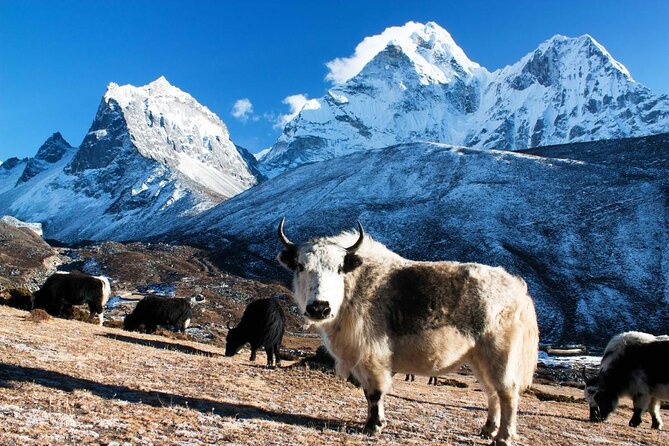
This itinerary is all about getting you from the city world into the Khumbu rhythm with as little friction as possible. You meet early, start with an airport pick up and drop, and then head to the domestic flight stage. The trip is built around those Kathmandu to Lukla to Kathmandu flights, so the mountain part of your plan is tied directly to that schedule.
Day 1 is short on paper but long on energy. You fly to Lukla (a quick flight) and then trek onward toward Phakding. This first day is your warm-up: a walk that usually takes a few hours, setting your body to the pace and giving you your first real feel for the valley and Sherpa-region villages.
Why this matters: on Everest treks, you’re not just doing distance. You’re learning how your body handles altitude, wind, and cold mornings. A guided start that gets permits handled and transportation arranged keeps you from wasting your first day on admin.
You can also read our reviews of more hiking tours in Kathmandu
How “all-inclusive” works on the mountain (and what it doesn’t)
Here’s the part you’ll care about most when the novelty wears off and you’re counting rupees: during the trek, your lodging and meals are covered. You get teahouse accommodation with breakfast, lunch, and dinner included each day on the trekking route. That reduces decision fatigue, which is good when you’re hungry, tired, and trying to stay warm.
You also get an English-speaking, government-licensed guide, plus porter service (2 trekkers : 1 porter). Practically, that means less carrying for you. Your trekking success still depends on your legs, but it’s easier to focus on steps instead of gear math.
The “not included” list is also clear, and you should plan around it. In Kathmandu (and for any early return), lunch and evening meals aren’t included. On the mountain, hot and cold drinks, battery recharges, laundry, showers, and bottle or boiled water costs are on you. If you like to snack often, or you hate paying for charging, factor that in now.
One more value point: the trip lists that staff costs are covered, including insurance, equipment, and domestic airfare. When a trek is priced tightly, those details can get fuzzy. Here, they’re spelled out.
The day-by-day trek: what each stop gives you (and what to watch)
Day 1: Lukla to Phakding via Cheplung village
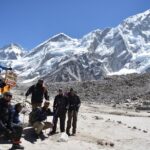
Your first trekking stretch takes you to Phakding, and it includes a stop through Cheplung village. This is where you often get an early, clear view of mountains in the Khumbu area, including Mt. Khumbila mentioned in the route description.
This day is usually about settling in. You’re not racing; you’re learning your breath and your comfort level with cold air and steep moments.
Potential drawback to keep in mind: it’s still your first day at altitude, so don’t treat it like a casual hike. If you start too fast, your body will charge you later.
Day 2: Phakding to Namche Bazaar through riverside villages
Day 2 heads north up the Benkar valley. You cross the Dudh Koshi River and pass places like Chumoa and Monjo before entering the Everest National Park area. After a suspension bridge crossing at Jorsale, you keep walking alongside the Dudh Koshi and Bhote Koshi rivers.
Namche Bazaar is the big altitude anchor on this trek. The route has you ascending through steep trail segments to reach it. This is a practical reminder that Everest-area treks are rarely “flat and scenic.” They’re a work trip with views as your reward.
Day 3: Namche acclimatization with sunrise views
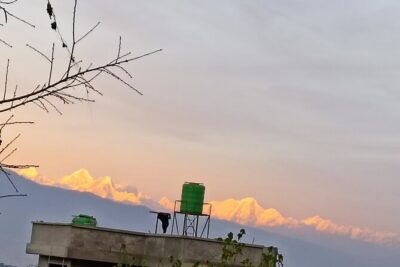
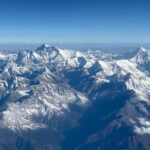
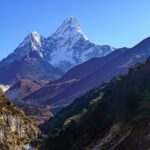
Day 3 is your acclimatization day in Namche Bazaar. You explore the town and hike up toward the Sagarmatha National Park area, with sunrise views over major peaks listed on the route description: Mt. Everest, Lhotse, Nuptse, Ama Dablam, Thamserku, Kongde, and more.
There’s also an optional day hike mentioned to Khumjung village if you feel good. This kind of flexibility is valuable: it gives you a way to match effort to how your body is coping.
Why it’s worth doing: these Everest days are a push-and-rest system. The trek builds rest into the plan so you can go higher later without turning the climb into a survival contest.
Day 4: Namche to Tengboche and the monastery moment
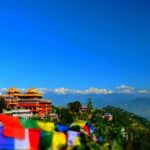
Day 4 brings you toward Tengboche. The route notes an easy walk until Phunki, then a steady ascent toward Tengboche village. You visit Tengboche monastery, described as the biggest monastery in the Everest region.
This stop comes with a timing detail you can actually use. The monastery opens at 3:00 pm, and if you arrive by around 4:00 pm, you can observe a Buddhist religious ceremony. Even if you don’t catch the ceremony, the monastery itself is a calm break from walking.
Practical note: that’s a lot of cultural and visual payoff after several hours of hiking. Keep your arrival pace steady so you’re not arriving gasping and missing the moment.
Day 5: Tengboche to Dingboche via Debuche and Pangboche
This day is about moving toward Dingboche while still collecting scenery highlights. The route describes a downhill walk to Debuche, a crossing of the Imja River, and then continuation toward Pangboche. Pangboche monastery is part of the plan, followed by the trek onward to Dingboche via the Imja Valley and Lobuche River.
The big theme here is altitude gains with a steady rhythm. You’re not just climbing; you’re also traversing valleys, crossing rivers, and moving between villages that change in feel as you go higher.
Day 6: Dingboche acclimatization with a hike behind town
Day 6 is another acclimatization day. You spend time in Dingboche and can hike up to a hill about four hours behind it for views of Lhotse, Makalu, and Cho Oyu listed in the route info.
This is the day I’d treat like a “listen to your body” checkpoint. The trek offers you a structured plan (a hike option and a planned rest), so you’re not guessing how hard to go. If you feel fine, you get the viewpoints. If you’re not, you still have a full day to recover before Lobuche.
Day 7: Dingboche to Lobuche and the base-camp corridor feel
Day 7 heads toward Lobuche, with a route description of about 7 hours (9 km) along the Himalayan trail. You go via Dughla pass to reach Lobuche for the night. The day is framed around heading toward the famous base camp area of the tallest peak.
You’ll feel the change here: the air feels sharper, the terrain feels more exposed, and you’re closer to the “high drama” part of the journey. This is where pacing matters. Keep moving steadily, and don’t try to turn it into a speed day.
Day 8: Lobuche to Gorak Shep, then Everest Base Camp
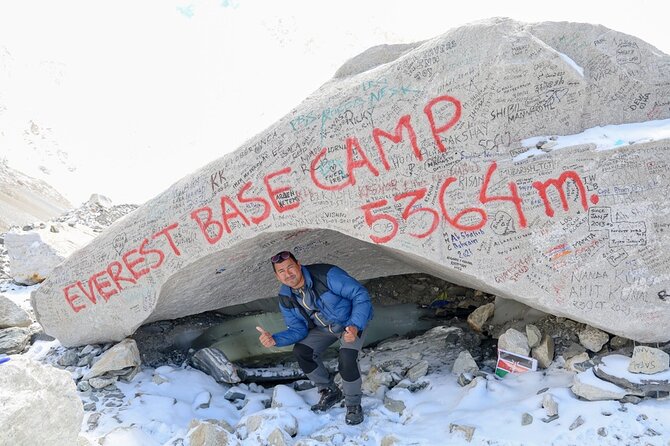
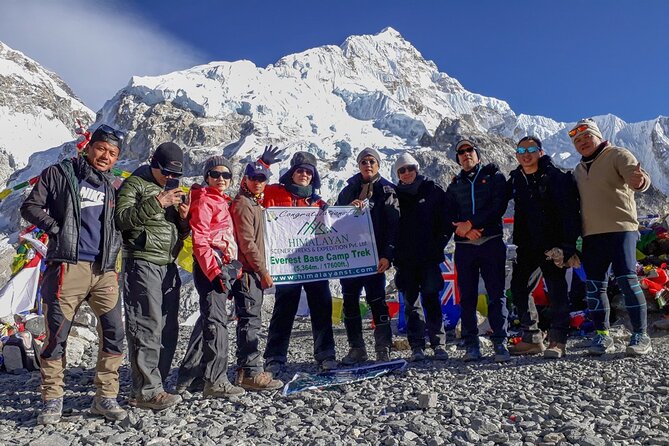
This is a long day. The route lists nearly 12 hours (about 17 km) from Lobuche to Gorakshep. After you arrive, you check in at the lodge, have lunch, and then walk to Everest Base Camp to enjoy the views of Nuptse, Khumbuste, and Pumori mentioned in the route details.
Then you turn back to Gorakshep for your overnight stay. That return walk is part of the “mission” feeling of Base Camp days: you go there, you experience it, then you still have trekking left before sleep.
If you’re sensitive to cold, you’ll want to mentally prepare for late-day chill. You’ll be at altitude with wind. You can’t out-think that, but you can avoid rushing and burning energy.
Day 9: Kala Patthar early morning views and down to Pheriche
Day 9 starts with an early breakfast and then a hike up to Kalapatthar. The route describes it as about three hours to the top, with views of Everest and other named peaks such as Lingtren, Khumbutse, and Changtse. After spending time up there, you return to Gorakshep for lunch, then hike down to Pheriche for the night.
Kala Patthar is one of those days where your reward is views, but your body does the work. Plan for effort, not heroics. The schedule gives you enough time to do it without turning it into a race.
Day 10: Pheriche to Namche Bazaar on the descent
Leaving the mountains behind is the theme of this descent day. You trek through Pangboche and Tengboche before arriving back at Namche Bazaar in the afternoon. This is a meaningful change: your altitude still matters, but the route is pulling you downward.
The big advantage is mental. Going down helps you relax, and it also gives you a better chance to enjoy village life and the monastery scenery without the full strain of climbing.
Day 11: Namche to Lukla and the “we made it” day
Your last trekking day brings you back to Lukla. The route says around 6 hours and describes a free afternoon in Lukla, with time to wander, relax, and enjoy a hot shower. In the evening, there’s mention of celebratory drinks and dancing with your trekking mates.
One practical reality: drinks are usually a personal expense, so treat any celebratory spending as optional. Still, the structure of a last-day buffer matters. It’s a relief day, not just transit.
Day 12: Lukla to Kathmandu with transfer and dinner
Day 12 is flight time and city reset. You catch an early morning flight back to Kathmandu, then get transferred to your hotel. The plan also includes a cultural dinner in the evening.
This last night is where the whole trek clicks into place. You’re likely tired, but you’ll also have that calm feeling of having completed the long arc of the journey.
The guides, permits, and staff work you actually feel
What makes this kind of package worth it isn’t the romance. It’s the friction removal.
This trip includes all necessary paperwork and trekking permits, specifically the National Park Permit and TIMS. You also get a medical kit carried by your trek leader. That’s important in remote areas where you don’t want to be hunting for basic supplies or guessing who knows what.
The staff side also shows up in communication. One of the strongest signals from past experiences is how smoothly the team communicates from the start, including planning support provided by Bishnu. That kind of responsiveness matters when you’re traveling far and dealing with altitude logistics and domestic flights.
Also, the trek’s organization tends to be detailed. Transfers to and from hotels, the way trekking support is arranged, and the end-of-trip dinner in Kathmandu are all part of why people describe this as well-planned service rather than just a guide leading you up a trail.
You might also find practical extras like duffel-bag support helpful for keeping gear sorted between lodge stays, though it’s worth confirming what’s provided for your departure.
Price and value: what $1,390 buys you (and what you must budget)
At $1,390 per person, this is priced as a true package rather than a “bring your own everything” trek. Here’s what’s clearly included:
- Domestic flights Kathmandu–Lukla–Kathmandu
- Airport pick up and drop
- Teahouse accommodation with breakfast, lunch, and dinner during the trek
- Porter service (2 trekkers : 1 porter)
- An experienced, English-speaking, government-licensed guide
- Farewell dinner at the end of the trip
- Permits (National Park Permit and TIMS) and TIMS documentation
- Medical kit carried by the trek leader
- Staff costs, taxes, and insurance-related items for the trekking team
What you should budget separately:
- Nepal visa fee
- Travel and rescue insurance (not included)
- Entrance fees for sightseeing
- Extra Kathmandu nights if flights shift your schedule
- Lunch and evening meals in Kathmandu
- Tips for guide(s), porter(s), and driver(s)
- Personal expenses: phone calls, laundry, bar bills, battery recharge, shower, and bottle or boiled water
So is it good value? For many people, yes—because the money covers the big moving parts. When domestic flights and permits are already lined up, your stress level drops. And when meals are included, you avoid the daily “what should we do for food at altitude” problem.
The altitude schedule: why the acclimatization days matter
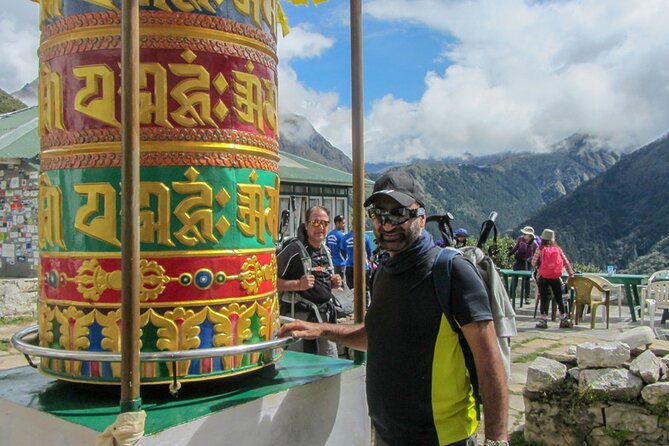
The plan includes acclimatization days in Namche Bazaar and Dingboche. That’s not a random break. It’s a strategy: you go higher, then you pause to adjust.
On top of that, the trek includes hike options during acclimatization days. In Namche, you hike toward the national park area and can add a day hike to Khumjung village if you want. In Dingboche, you can hike about four hours behind town for peak views.
This matters for two reasons. First, it gives you a controlled way to test how your body responds. Second, it helps your group energy stay positive. You’re not just moving up every single day until you’re wiped.
Who should book this trek (and who should think twice)
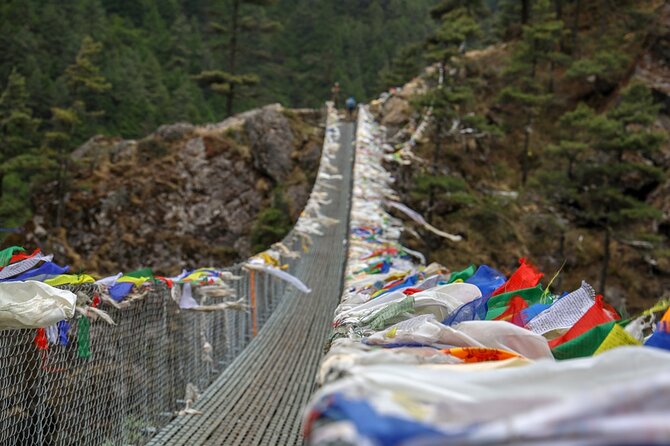
This tour fits well if you want:
- A guided, permit-ready Everest Base Camp itinerary
- Teahouse comfort with full meal coverage during trekking nights
- A group experience where logistics are handled and you can focus on hiking
The description also says you should have moderate physical fitness. That’s consistent with a route that includes long trekking days, especially the Base Camp approach and the Kalapatthar push.
If you’re extremely sensitive to flight delays, this might still be okay, but you must accept reality: Lukla flights can delay or cancel due to weather. You should be prepared for waiting periods at either Kathmandu or Lukla airports at the start or end of the trek.
Should you book this Everest Base Camp trek?
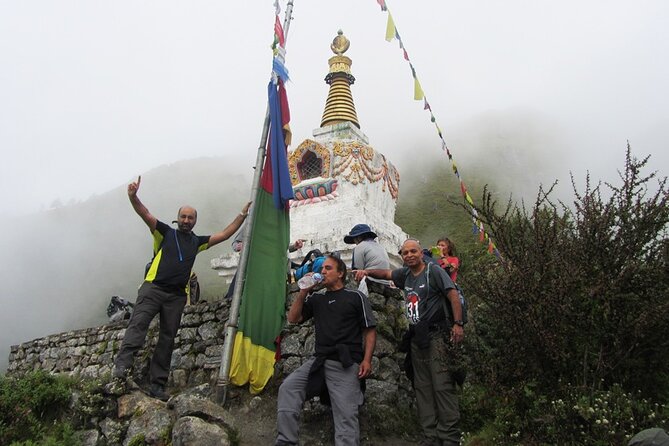
If you want a well-organized Everest Base Camp trek where permits, meals, guide, porter support, and domestic flights are handled for you, this package is a strong match. I’d especially recommend it if you’d rather spend your planning energy on training and packing decisions you control, not on Everest paperwork and permit logistics.
If your travel style hates unpredictability, you’ll want to plan with the flight-delay note in mind and keep extra buffer days around if possible. Also remember that personal costs like drinks, charging, showers, tips, and water add up.
And if plans change, you can cancel up to 24 hours in advance for a full refund.
In short: book it if you want the Everest experience with the rough edges handled. Skip it if you want a totally DIY approach or you’re not willing to deal with Lukla weather reality.
FAQ
What is the total duration of the Everest Base Camp trek?
The trek is listed as 12 days (approx.). The schedule runs from Kathmandu to Lukla and back, with trekking days in between.
Where does the trek start and end?
It starts in Kathmandu, Nepal, with a domestic flight to Lukla and trekking from there. It ends in Kathmandu after returning to Lukla and flying back.
Are trekking permits included?
Yes. The trip includes the National Park Permit and TIMS, listed as part of the included items.
What kind of accommodation and meals are provided during the trek?
You stay in teahouse accommodation, and meals included are breakfast, lunch, and dinner during the trekking days.
Do I get a guide and porter?
Yes. You’ll have an experienced, English-speaking, government-licensed trekking guide. Porter service is included with a 2 trekkers : 1 porter ratio.
Are domestic flights included?
Yes. Domestic flights Kathmandu–Lukla–Kathmandu are included, along with airport pick up and drop.
Is pickup offered in Kathmandu?
Yes. Airpor Pick up and Drop is included, and you’re also transferred to your hotel after arriving back in Kathmandu.
What is not included in the trip price?
Not included: the Nepalese visa fee, travel and rescue insurance, tips for guide(s)/porter(s)/driver(s), and personal expenses such as phone calls, laundry, bar bills, battery recharge, and bottle or boiled water. Lunch and evening meals in Kathmandu are also not included.
What should I expect if flights get delayed or canceled?
The plan notes that the Kathmandu–Lukla–Kathmandu flights can be delayed or canceled due to unfavorable weather. In that case, you should expect waits at Kathmandu or Lukla airports, potentially at the start or end of the trek.
What time do I need to meet for the experience?
The meeting start time is listed as 5:15 am.