REVIEW · ANNAPURNA BASE CAMP TREKS
10 Days Annapurna Base Camp Trek from Kathmandu
Book on Viator →Operated by CAN Travels · Bookable on Viator
The Annapurna Base Camp pull is real. This 10-day trek balances big-mountain scenery with human-scale village walking, and it’s run with real structure from Kathmandu all the way to base camp. I like that it includes the big admin pieces like permits and official documents, plus a government-licensed English-speaking guide who helps keep the trek feeling manageable. The main thing to consider is that daily hiking can include steep climbs and descents, so you’ll want solid moderate fitness before you sign up.
What really makes this route work for most people is the rhythm: a long day to Pokhara up front, several shorter trail days that gradually build, and then a full push to the base-camp area. I also appreciate how the trip is designed so you’re not constantly dealing with logistics—transfers, hotel nights, and official paperwork are handled for you, even though you still buy your own trail food and drinks along the way.
One possible drawback: you’re paying for a lot of service, but meals on the trek are not included. If you’re the type who likes a predictable budget, factor in daily food costs and your drink preferences, because costs can add up on multi-day mountain trails.
In This Review
- Key highlights worth your attention
- Kathmandu to Pokhara by tourist bus: the setup that matters
- Ghandruk via Sauli Bazar: first village texture and real trail effort
- Chhomrong: Gurung village life and the middle-of-the-trek momentum
- Bamboo day: steep ups and downs through stream-and-forest sections
- Deurali: bamboo and rhododendron forests before the base camp push
- Annapurna Base Camp day: avalanche awareness and sunrise energy
- Down to Bamboo: the descent workout that steals time and confidence
- Jhinu Danda on Day 8: stone steps, steep climbs, and recovery vibes
- Returning through Siwai to Pokhara, then back to Kathmandu
- What the $490 price covers (and where you’ll spend extra)
- Guides, safety, and how the group feels day to day
- Who should book this trek, and who should reconsider
- Should you book this 10-day Annapurna Base Camp trek from Kathmandu?
- FAQ
- How much is the 10-day Annapurna Base Camp trek from Kathmandu?
- What’s included in the price?
- Do I need to arrange trekking permits?
- What about food and drinks on the trek?
- Is this tour private, or shared with other groups?
- What time does the experience start, and can I cancel for a refund?
Key highlights worth your attention
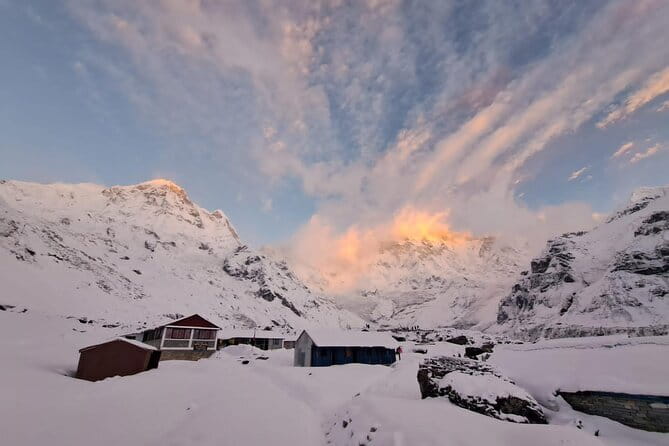
- Government-licensed English-speaking guide with a normal first-aid kit for support on the trail
- Permits and official documents included, so you’re not scrambling for paperwork
- Pokhara plan is covered with 2 nights in a 2-star hotel plus breakfast
- Village-to-village pacing through places like Ghandruk, Chhomrong, Bamboo, and Jhinu Danda
- An active base camp approach that includes awareness around avalanche-prone sections
- Guides with standout communication are commonly credited, including names like Krishna, Amrit, and Prakash
Kathmandu to Pokhara by tourist bus: the setup that matters
You start the trip with a focused transport day that takes you out of traffic chaos and into trekking mode. Hotel pickup and drop-off are included, and you’ll ride in a luxury sofa-seat tourist bus for the Kathmandu to Pokhara leg. Plan on a long stretch of seated time, about seven hours, then a breather once you reach Pokhara.
Pokhara Lakeside is a smart first move. It gives you space to rest, eat something normal, and get your body ready for walking the next day. It also helps you mentally switch gears: you’re not thinking about trekking yet, but your day is already pointing you there.
Practical tip: treat this first day like the calm before the hike. Don’t pack it full of extra activities. You’ll enjoy the next days more if you walk into them fresh.
You can also read our reviews of more hiking tours in Kathmandu
Ghandruk via Sauli Bazar: first village texture and real trail effort
Day 2 starts with a drive from Pokhara toward Nayapul, then you’re on foot toward Ghandruk. The route goes via Sauli Bazar, and you’re looking at roughly 5 to 7 hours depending on pace and conditions.
What I like about this day is that it doesn’t feel random. You’re taken from road travel into a proper trail start with village life right in front of you. By the time you reach Ghandruk, you’ve already done the work of getting your legs awake without going straight into the toughest terrain.
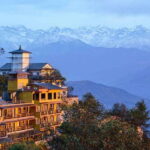
Ghandruk itself brings a classic Annapurna “village viewpoint” vibe—small communities with big views—so it feels like you earned your arrival. It’s also a good day for photography, but keep your eyes up for the trail. This is Nepal, and footing matters.
Possible drawback: the trail includes steep hills. If you’re coming in from sea level or you’ve been inactive, take it slow early and save your energy for the middle of the day.
Chhomrong: Gurung village life and the middle-of-the-trek momentum
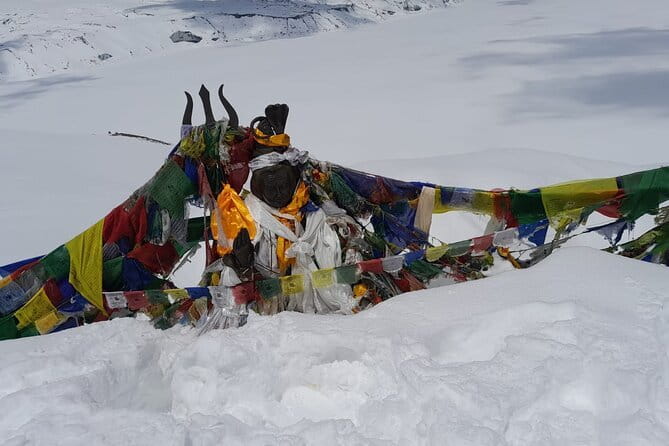
From Ghandruk, you head toward Chhomrong in about 6 hours. The path includes ascents and descents through the Kumrong danda area, so expect effort that isn’t constant—more stop-start, rhythm-based walking.
Chhomrong is a meaningful stop because it mixes scenery with culture. The trek description highlights typical Gurung people lifestyle and natural attractions here. That matters because base camp days can become all about altitude and views. Chhomrong helps you remember that you’re walking through real communities, not just moving between viewpoints.
Also, this kind of day is where trekking confidence starts to form. Once you settle into the tempo—short breaks, steady steps—you’ll start feeling like the trail belongs to you.
Watch-outs to keep in mind: stone steps, uneven ground, and weather shifts are common on mountain routes. Your guide and pacing strategy matter, and this program has a guide to support that.
Bamboo day: steep ups and downs through stream-and-forest sections
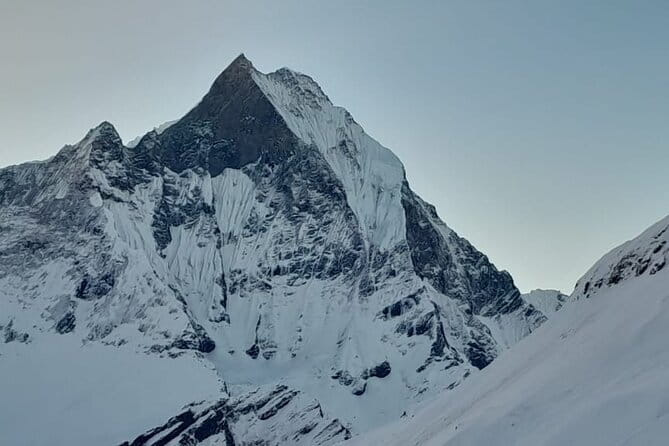
Day 4 takes you to Bamboo in about 6 hours. It’s not described as a gentle day. After breakfast in Chhomrong, the trail begins with a steep descent to Chhomrong Khola, then a steep climb after crossing the stream. The day is described as multiple uphill and downhill sections.
This is one of those days that teaches you something quickly: trekking isn’t only about distance. It’s about repeated effort. Down can be harder on your knees than you expect, and up can take more out of you if you sprint early.
I like that Bamboo is positioned as a “work day with a payoff.” After all the descent-climb rhythm, reaching Bamboo feels like a reset point. Bamboo also sets up your next move toward higher, more alpine-feeling zones.
Practical tip: on descents, shorten your stride. Use trekking poles if you have them. Don’t go fast just because it’s downhill.
Deurali: bamboo and rhododendron forests before the base camp push
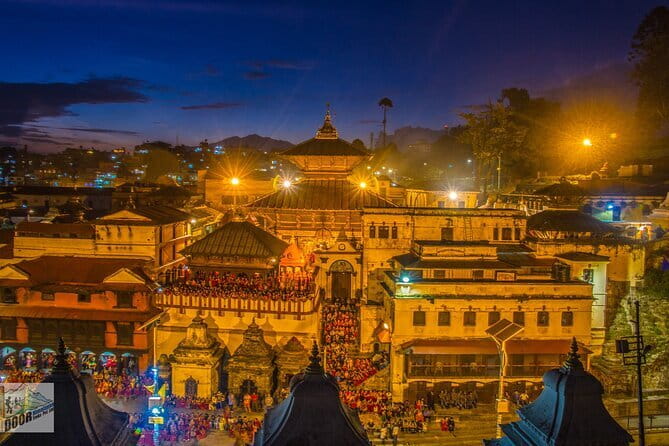
On Day 5, you trek to Deurali in roughly 7 hours. The route is described as short and beautiful, moving from Dovan through bamboo and rhododendron forests. Along the way, you’re welcomed by majestic peaks.
This day is valuable for two reasons. First, it’s a transition day: you’re moving from village-and-forest walking into the kinds of trail sections that feel closer to the high mountain world. Second, it gives you a psychological buffer. You can feel the trek building without it going straight into the hardest intensity.
Deurali also matters because it’s a base-building night before your base camp day. You’ll want an early, comfortable night here so you can wake up with energy for the next day’s long push.
Possible drawback: even “short and beautiful” can mean long hours on foot. If your fitness is moderate, take regular pauses and eat when you should, not only when you feel hungry.
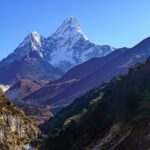
Annapurna Base Camp day: avalanche awareness and sunrise energy
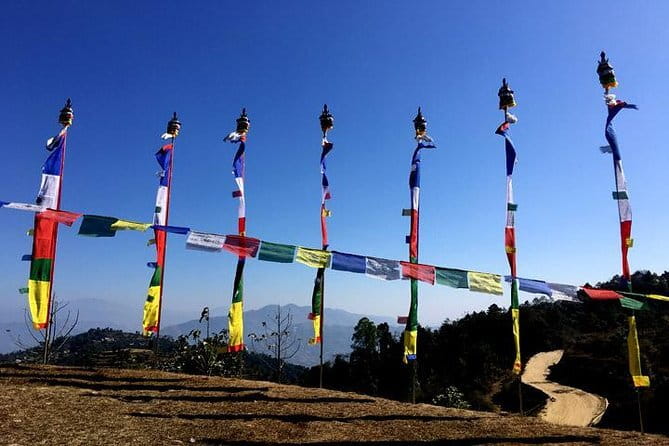
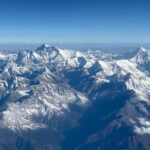
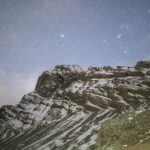
Day 6 is the big one: trekking from Deurali to Annapurna Base Camp in about 7 hours. The route passes through high alpine forests and delivers stunning Himalayan views of snow-capped peaks. Importantly, the trek is described as including several spots known for avalanches, which is the kind of detail you don’t ignore on a mountain route.
This day is where good guidance shows up. Avalanche-prone areas require awareness, timing, and calm decision-making. Even if conditions vary day to day, having a guide who keeps the group aligned and moving wisely is a real advantage.
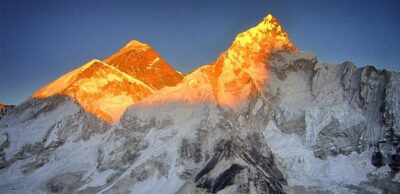
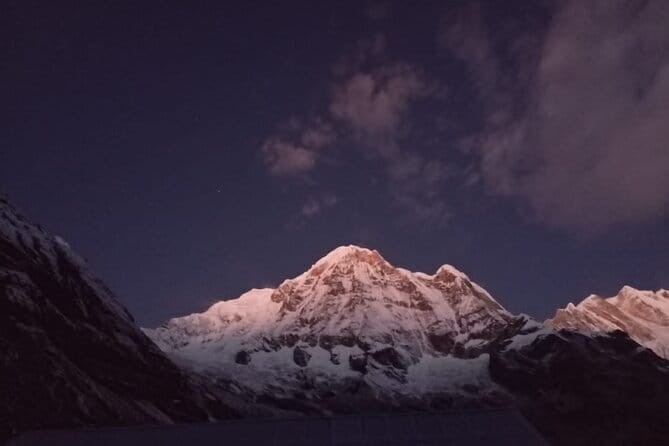
The base camp goal also ties into what makes Annapurna Base Camp special: you reach a place surrounded by the Annapurna range’s giants. The trip description also promises awe-inspiring sunrise views, and this kind of highlight is exactly why people do the trek—those early mountain moments are the payoff for all the walking days before them.
Practical tip: sunrise views are about more than optics. They’re also about your comfort. Bring layers you can add fast. Cold can swing quickly when you’re in higher, open sections.
Down to Bamboo: the descent workout that steals time and confidence
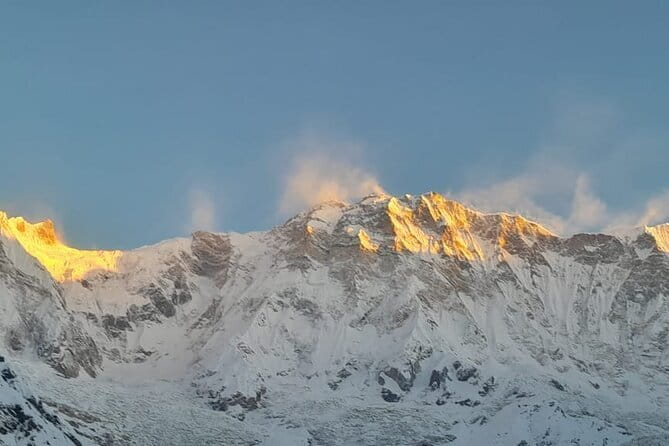
Day 7 brings you back to Bamboo, again in about 6 hours, returning along the same path. The description notes the trail drops by around 1,700m, which tells you this is not a casual stroll.
This day is where a lot of trekkers learn to respect the downhill. Yes, you’ve already done the route once, but your body will react differently on the way down. Your legs may feel heavier. Your focus might shift to protecting knees and ankles.
What I like about this design is that it reduces uncertainty. Same path means fewer decisions and less mental load. You can concentrate on steady walking and watching your footing rather than figuring things out as you go.
Real-life value: this is also the day where you can start feeling proud. Base camp is behind you, and now you’re turning experience into safe progress.
Jhinu Danda on Day 8: stone steps, steep climbs, and recovery vibes
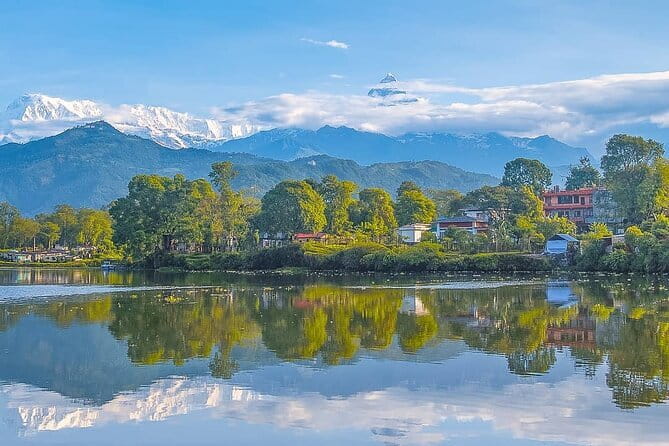
Day 8 is described as about 6 hours to reach Jhinu Danda. It includes a steep ascent to Kuldi Ghar. The route description also points to stone steps and a climb from Lower Chomrong after trekking through areas like Sinuwa.
The pattern is typical for the Annapurna region: you’ll work upward, descend, then work again. You may be tired, but the changes in terrain make the day feel active rather than monotonous.
Jhinu Danda is a strong choice as a late-trek stop because it shifts toward recovery. One past group specifically noted hot springs on Day 10 as part of their return-day experience, and it’s reasonable to expect that the hot-spring idea is often part of this general area’s “after the hike” plan. You’ll still need to confirm details with your guide for timing and stops.
Practical tip: after days of hills, treat your feet kindly on step-heavy sections. Slow down and keep your balance.
Returning through Siwai to Pokhara, then back to Kathmandu
Day 9 moves you from trekking into transport. You trek to Siwai, then take a shared jeep or bus to Nayapul, followed by a private car/jeep to Pokhara. Total time is about 7 hours. It’s described as one of the easiest days of the whole trek, and that makes sense: less continuous walking, more transition.
This is a good day to plan a proper meal and hydrate well. You’re going to feel the contrast—after long hours of hiking, a return day can feel oddly calming.
Day 10 then brings you back to Kathmandu by bus, about 7 hours. The drive follows a highway through rivers, hills, and small Nepalese settlements. It’s not a “tired” day like the final day of hiking. It’s more like winding down and watching the scenery pass by.
When transport is included all the way back, you avoid the common mistake of adding extra uncertainty at the end. That matters, because the last thing you want after 10 days is extra hassle.
What the $490 price covers (and where you’ll spend extra)
This trek costs $490 per person for about 10 days, which can be a solid value for a supported route like this—especially because many critical items are included:
Included:
- Hotel pickup and drop-off
- Kathmandu to Pokhara to Kathmandu transfers by tourist bus
- 2 nights in a 2-star hotel in Pokhara with breakfast
- Government-licensed English-speaking trekking guide
- Trekking permit and official paperwork
- Pokhara to Nayapul and Siwai transfer by vehicle
- Private tour (only your group participates)
- Emergency normal first aid kit with guide
- Guide food, accommodation, and expenses
Not included:
- Food and drinks (you buy what you want)
- Gratuities (optional)
So the value equation is pretty straightforward. You’re not just paying for a map and a route. You’re paying for permits, a guide, lodging in Pokhara, and the transport that gets you to the trailhead and back.
Where your budget needs attention:
- Trail meals and drinks are your responsibility, and mountain food prices can vary.
- If you’re the kind of traveler who eats frequent snacks or prefers certain drinks, budget a bit more than the bare minimum.
Guides, safety, and how the group feels day to day
This program is built around a guide who’s part of the official trekking system. The guide is described as English-speaking and government-licensed, plus there’s an emergency first aid kit carried on the trip.
That’s important because Annapurna Base Camp has sections that can be unpredictable. The trek specifically mentions spots known for avalanches, which is exactly where calm, practical leadership matters.
In the feedback you can find names like Krishna, Biru, Milan, Amrit, Deepak, and Prakash linked to positive experiences. The common thread is communication and care—guides explaining local culture, paying attention to safety, and keeping things organized so you’re not constantly managing details.
You might also notice that the trip is set up as a private tour. That usually means more flexibility and less waiting around. If you want your own pace instead of a strict group shuffle, that’s a real plus.
Who should book this trek, and who should reconsider
This is best for you if:
- You have moderate physical fitness and can handle steep climbs/descents for multiple days
- You want a guided trek where permits and paperwork are handled
- You like a route with village stops—Ghandruk and Chhomrong style culture stops are part of the experience
- You value smooth transport and a known hotel base in Pokhara
You might reconsider if:
- Your fitness is low and you’re unsure you can manage steep uphill/downhill repeatedly
- You need fully included meals and drinks (this one doesn’t include them)
- You’re hoping for a fully effortless trail. Several days include steep terrain and frequent elevation changes
Also, if you’re sensitive to long transport days, note the two big bus segments around the trek. They’re not optional here, and that’s part of the overall rhythm.
Should you book this 10-day Annapurna Base Camp trek from Kathmandu?
I think this is a strong choice if you want Annapurna Base Camp without turning your vacation into project management. The included permits, guided support, and Pokhara lodging take away major stress points. You also get a sensible trek progression: village days early, alpine and avalanche-aware terrain closer to the goal, then a structured return.
Book it if:
- You’re ready for real hiking with steep sections
- You’d like your logistics sorted (permits, guides, transport, hotel nights)
- You’re okay buying your own food and drinks each day
Skip or ask more questions first if:
- You’re not confident about steep, multi-day walking
- You need a trip where meals are fully covered
- You want a more customized routing beyond the described stops
FAQ
How much is the 10-day Annapurna Base Camp trek from Kathmandu?
It costs $490.00 per person and runs for about 10 days.
What’s included in the price?
The price includes hotel pickup and drop-off, Kathmandu to Pokhara to Kathmandu transfers by tourist bus, 2 nights in a 2-star hotel in Pokhara with breakfast, an English-speaking trekking guide, trekking permits and official documents, transfers related to starting and ending the trek, a private tour setup, and an emergency first aid kit with the guide.
Do I need to arrange trekking permits?
No. Trekking permits and all official documents are included.
What about food and drinks on the trek?
Food and drinks are not included. You’ll have to purchase them during the trek.
Is this tour private, or shared with other groups?
It’s private. Only your group will participate.
What time does the experience start, and can I cancel for a refund?
The start time is listed as 11:15 am. Cancellation is free, and you can cancel up to 24 hours in advance for a full refund.