REVIEW · KATHMANDU CITY & WALKING TOURS
Kathmandu Sightseeing Tour by Private Vehicle
Book on Viator →Operated by Himalayan Social Journey · Bookable on Viator
You get a lot of Kathmandu in one smooth half-day. This tour is a simple, private-vehicle sightseeing loop that hits the big spiritual landmarks—then drops you back without the usual hassle. I like that transportation is included (air-conditioned car, hotel pickup/drop), and I also like the practical, small-group pacing that keeps you moving but not rushed. One thing to plan for: monument entrance fees aren’t included, so the total cost can creep up once you’re at each site.
You’ll spend roughly 5 to 6 hours with an English-speaking driver, using them as your on-the-ground guide as you move between classic UNESCO-area highlights. Your itinerary also balances viewpoints (like Swayambhunath) with major religious sites (Swayambhunath, Boudhanath, Pashupatinath) and the historic courtyard world of Patan. The main consideration is timing and ticketing—wear shoes for walking, and bring cash or a plan for site entry.
In This Review
- Key things to know before you go
- A Half-Day Kathmandu Circuit With A/C Comfort
- Getting From Stop to Stop Without Hassle
- Patan Durbar Square: Royal Courtyards and UNESCO Grounds
- Swayambhunath (Monkey Temple): Views Over Kathmandu Valley
- Boudhanath Stupa: Big Sacred Space for Wisdom Prayers
- Pashupatinath Temple: Hindu World Center and Major Visitor Pull
- Price and What You Actually Pay For
- Timing Tips for a Smooth 9:15 Start
- Who This Tour Fits Best (and Who Might Want Something Else)
- Should You Book This Kathmandu Sightseeing Tour?
- FAQ
- What is the duration of the Kathmandu sightseeing tour?
- What time does the tour start?
- What does the price include?
- Are monument entrance fees included in the price?
- Is there a tour guide included?
- How many people can be in the group?
- Does the tour offer pickup from hotels?
- Is a mobile ticket used?
- Is confirmation provided after booking?
- What is the cancellation policy?
Key things to know before you go
- A/C pickup and drop from your hotel saves time and stress
- Patan, Swayambhunath, Boudhanath, Pashupatinath in one half-day route
- Entrance fees are extra, so budget separately for monuments
- Small-group feel with a maximum of 15 travelers on the activity
- Swayambhunath’s valley views and “Monkey Temple” vibe are built in
- Mobile ticket + confirmation makes it easier to show up and go
A Half-Day Kathmandu Circuit With A/C Comfort
Kathmandu can feel like a city you have to fight a little—traffic, crowds at temples, and the constant question of how to get from Point A to Point B. This tour is built to reduce that friction. You pay $60 per person for a scheduled sightseeing run, and you get an air-conditioned vehicle, plus hotel pickup and drop, which is a big deal when you only have a half day.
The best way to think about this experience is that it’s a “big hits” route. You’re not trying to master Kathmandu’s timeline or architecture details in one go. You’re getting an efficient introduction to the city’s religious geography: Buddhist stupa country (Swayambhunath and Boudhanath) alongside Hindu temple power (Pashupatinath), plus Patan’s historic Durbar Square atmosphere.
And because it’s 5–6 hours, you can do it early and still keep your afternoon free for a slower walk or a second bite at local food. That matters in Kathmandu, where the best moments often happen when you stop trying to schedule the entire day.
You can also read our reviews of more private tours in Kathmandu
Getting From Stop to Stop Without Hassle
Logistics are where this tour shines. You’re not left trying to negotiate transportation or figuring out a route with a tight timeline. The tour includes hotel pickup and drop, and it’s done by an English-speaking driver in a clean, A/C vehicle.
There’s also a practical reality to private-vehicle tours in this part of Nepal: the “private” part usually means you’re not trying to cram into a full group bus. Here you’ll be on a sharing basis tour with a small group. The activity notes a maximum of 15 travelers, but the overall experience is still designed to feel manageable.
One important detail to set expectations: the tour data lists an English-speaking driver, and it also says “tour guide” is not included. At the same time, the tour overview talks about you hearing about cultural and religious significance from your guide. What that means for you on the ground is simple—don’t assume you’ll have a separate expert guide. You should expect commentary and direction from the driver/host, but if you want deep historical storytelling, plan to ask questions and let them guide the conversation.
Patan Durbar Square: Royal Courtyards and UNESCO Grounds
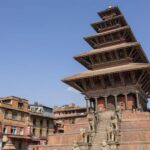
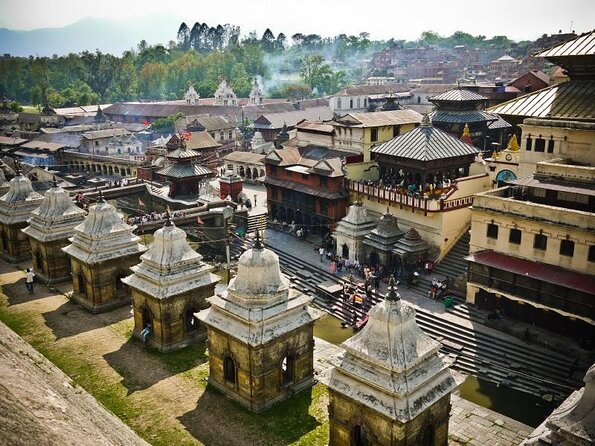
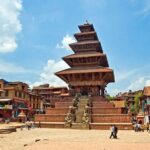
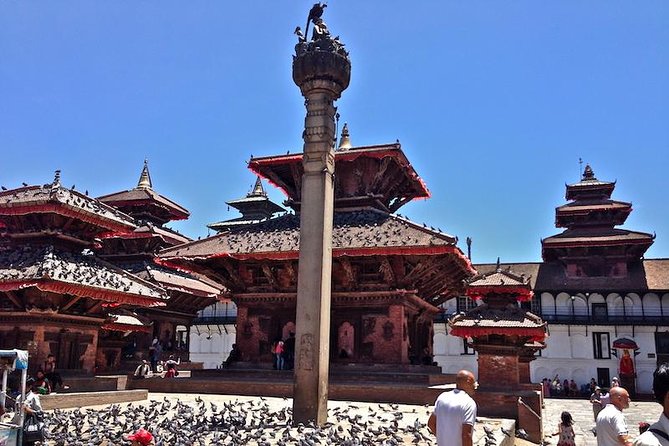
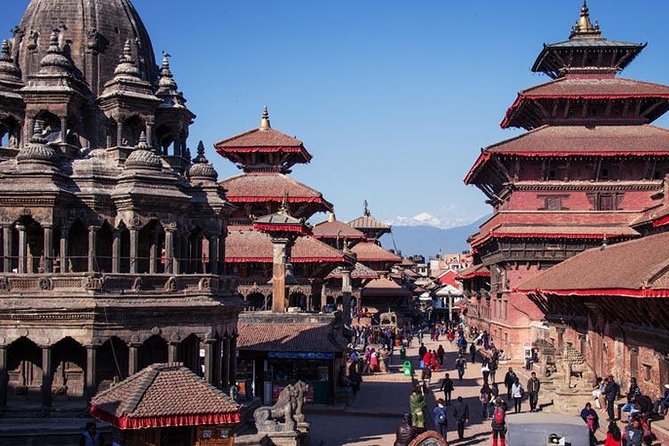
Your first major stop is Patan Durbar Square, in the Lalitpur (Patan) area. It’s one of three Durbar Squares in the Kathmandu Valley, and it’s a UNESCO World Heritage Site. In practical terms, that translates into a place where you can wander through stone courtyards and temple-adjacent spaces that feel distinctly historic, not just scenic.
You’re scheduled for about 1 hour here, and that’s both perfect and limiting. Perfect because you won’t burn your day here fighting for time. Limiting because Durbar Square sites reward slow wandering—details can go unnoticed if you rush.
Here’s how I’d handle it if you want to get value from that hour: start by walking the perimeter first, then circle back to anything that catches your eye. If you find a doorway, carved column, or little shrine, don’t just snap a photo and move on. Pause for a minute. These places are built to be looked at from multiple angles, and the light changes what you notice even within an hour.
Also remember this tour doesn’t include monument entrance fees. So if you want to avoid surprises, keep some cash reserved and treat entry cost as part of the day’s budget.
Swayambhunath (Monkey Temple): Views Over Kathmandu Valley
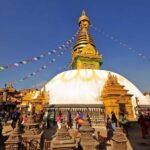
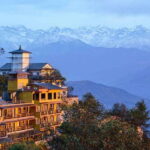
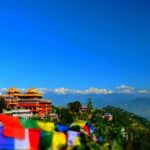
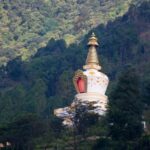
Next up is Swayambhunath, a Buddhist stupa complex that’s about 2,600 years old and famous for being high above the city. It’s often referred to as the Monkey Temple—and that nickname isn’t just marketing. Even if you’ve seen photos online, you’ll still get that unmistakable sense of a living place: a sacred site where animals and visitors share the same space.
You’ll get about 1 hour here, which is ideal for two reasons. First, you don’t have to commit your entire day to climbing and temple wandering. Second, the viewpoint is the payoff, and you can spend your time choosing the angle you like best rather than trying to do everything.
The “self-existent god” meaning behind the name is a detail that helps you read the site as more than scenery. It’s a spiritual focal point with a long timeline, overlooking the Kathmandu valley. When you’re standing in that higher vantage area, the city below stops being a backdrop and starts feeling like part of the story.
One consideration: stupa complexes can be physically demanding depending on where you enter and how much walking you do. Wear shoes you can trust. If you’re traveling with anyone who has mobility limits, you’ll want to set expectations early and pace the climb.
Boudhanath Stupa: Big Sacred Space for Wisdom Prayers
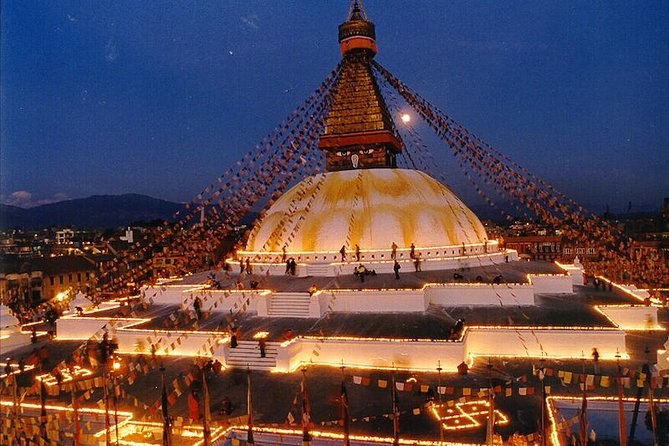
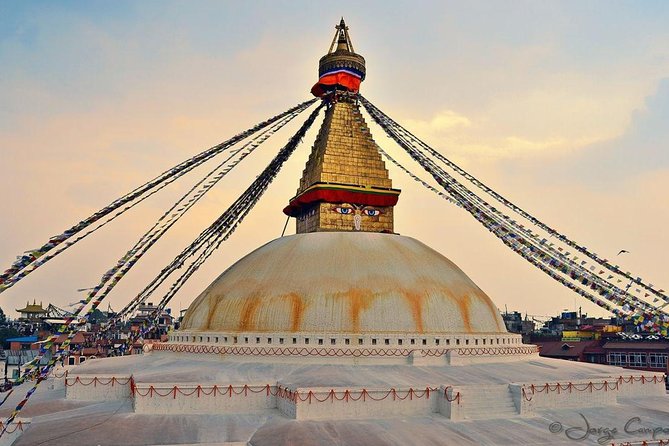
Then the tour swings to Boudhanath Stupa, described as one of the largest stupas in the world and connected to the idea of the god of wisdom. This is also a major site for Tibetans, and you’ll feel that cultural influence in the way people move through and around the shrine.
You’ll have about 1 hour scheduled. This stop works well within a half-day route because it’s not just about looking up at a monument. It’s about how the space functions: pilgrims and visitors circle, pause, and create a rhythm around the shrine. Even if you’re not deep into religious practice, it’s one of those places where people’s intentions become visible in their actions.
Since entrance fees are not included, plan for the possibility that you’ll pay an entry amount at this and other stops. Budgeting ahead keeps you from dealing with the annoying moment where you realize money is needed right when you’re ready to go inside.
If you want your hour to feel meaningful, spend the first few minutes simply watching how people use the space. Then choose one spot to stand long enough that you can feel the flow of the area—not just take photos and move on.

Pashupatinath Temple: Hindu World Center and Major Visitor Pull
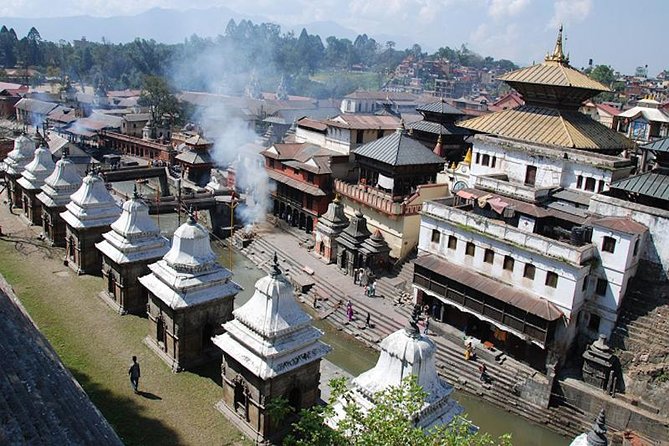
The final listed stop is Pashupatinath Temple, a major Hindu temple site with millions of visitors drawn to it each year. The name translates to something like the god of animal lives, and the temple is described as a must-visit legendary Hindu site in the subcontinent.
This is a powerful end point because it adds another layer to the day. You start with a historic Durbar Square, go through Buddhist stupa landmarks and viewpoints, and end at a major Hindu center with strong visitor gravity. In a single afternoon, you get a snapshot of why Kathmandu is such a magnet for faith, pilgrims, and curious travelers.
You’re scheduled for about 1 hour here. Like the others, that’s enough time to enter, look around, and grasp the scale. It’s not enough time to master the temple’s symbolism or understand every ritual practice you might see, so approach it like orientation: learn where you are in the bigger picture, then let the place do the heavy lifting.
Again, entrance fees are extra, so keep that in mind. This is also a very high-traffic area, so wear comfortable clothes and plan for crowd behavior around popular worship zones.
Price and What You Actually Pay For
The headline price is $60 per person for a 5 to 6 hour private-vehicle style sightseeing tour. That price includes air-conditioned vehicle transportation, English-speaking driver, and hotel pickup and drop. You also get a mobile ticket and confirmation at booking, which helps make the day feel organized.
But here’s the part you should calculate before you book: monument entrance fees are extra. The tour data notes that foreigners may need to pay an entrance fee in the range of 200–1000 Rs at each location. The exact amount can vary by site, and it’s listed as required for entry.
So is $60 good value? In my view, yes—if you want an efficient route without stress. You’re essentially paying to save time and mental load: you show up, the car comes, you get carried between key landmarks, and someone local handles the driving while you focus on the sights.
If you already know how to navigate independently, or you’re planning to go slowly on your own, you might spend less by DIY-ing. But if your priority is a clean, A/C ride plus a structured half day, this is a straightforward deal.
Timing Tips for a Smooth 9:15 Start
The tour starts at 9:15 am. That’s smart in Kathmandu because you’re earlier before crowds peak at the stupa and temple sites. A 5–6 hour day also means you’ll likely finish around early afternoon, leaving your later hours free.
Because you’ll visit four major sites and each one has a scheduled about 1 hour block, your time is managed—but you still want to be ready for the real world. Think of it like this: the itinerary gives you a framework, and your actual time at each stop will depend on crowd flow and entry lines.
My practical checklist:
- Wear closed-toe, non-slip shoes for temple stairs and uneven ground
- Bring cash for entrance fees since they’re not included
- Carry water and a light layer, even if it’s warm
- Keep your camera ready, but leave room for pauses without stopping every five seconds
Who This Tour Fits Best (and Who Might Want Something Else)
This experience is ideal if you:
- Want a fast, organized introduction to Kathmandu’s major spiritual landmarks
- Prefer hotel pickup and drop rather than figuring out transportation
- Are traveling with limited time and want to cover a lot in one afternoon
- Like learning as you go—asking your driver-host questions as you move between sites
It may be less ideal if:
- You want a very detailed, academic history lecture at each monument (the tour doesn’t clearly include a dedicated tour guide)
- You’re hoping for a super flexible “we’ll stay longer if we love it” plan, since each stop is set for about an hour
- You’re very sensitive to paying separate entry fees at multiple stops
One more note from the overall experience framing: there’s at least one sign of risk in the route assignment—some people felt disappointed when they couldn’t access one planned highlight. That doesn’t mean it will happen to you, but it’s a reminder to keep expectations flexible and be ready for the day to adjust.
Should You Book This Kathmandu Sightseeing Tour?
Book it if you want a well-paced half-day that does the heavy work for you: A/C transport, hotel pickup/drop, and a tour structure that takes you to major Kathmandu-area landmarks in about 5–6 hours. It’s especially good for first-time visitors who want a clean overview without spending your time lost in logistics.
Skip or consider alternatives if you hate the idea of adding entrance fees on top of the base price, or if you strongly need a dedicated history-focused guide. In that case, look for a tour that clearly includes monument entries and a specialist guide—or plan to budget more time for self-guided wandering.
If you’re on the fence, my simple rule: if you’d rather spend your energy on temples and views than on transportation and route math, this one is a solid choice.
FAQ
What is the duration of the Kathmandu sightseeing tour?
It runs about 5 to 6 hours.
What time does the tour start?
The start time is 9:15 am.
What does the price include?
Transportation is included, along with an air-conditioned vehicle, an English-speaking driver, sharing basis tour, and hotel pickup and drop.
Are monument entrance fees included in the price?
No. Monument entrance fees are extra.
Is there a tour guide included?
The tour data lists a driver as part of what’s included, while monument entry is not included and a tour guide is listed as not included. Expect information and guidance from the English-speaking driver.
How many people can be in the group?
The activity notes a maximum of 15 travelers.
Does the tour offer pickup from hotels?
Yes, hotel pickup and drop are included.
Is a mobile ticket used?
Yes, the tour includes a mobile ticket.
Is confirmation provided after booking?
Yes, confirmation is received at time of booking.
What is the cancellation policy?
Free cancellation is offered. You can cancel up to 24 hours in advance for a full refund.