REVIEW · MULTI-DAY NEPAL TOURS
8 Days Tour in Nepal (Accommodation at 5 Star Hotel)
Book on Viator →Operated by The Great Adventure Treks & Expedition - Private Day Tours · Bookable on Viator
A week like this in Nepal keeps moving, but it still feels organized. You get a smart mix of Kathmandu’s heritage temples and wildlife time in Chitwan National Park, then you finish with Pokhara’s viewpoints and caves. Two things I really like: the trip balances big sights (Boudhanath, Patan Durbar Square, Pashupatinath, Swayambhunath) with hands-on animal experiences (canoeing, jungle walk, jeep safari). One drawback to consider: it is a lot of action and driving for 8 days, so if you want a slower pace, you may feel a bit rushed.
I also like that this tour is run by The Great Adventure Treks & Expedition (Private Day Tours), and the name that pops up in good feedback is owner Mani and guide Sanjaya. People also specifically call out drivers such as Binod and RAM, and that matters here because Nepal roads can be part of the challenge. With group size capped at 30 travelers, you’ll usually get a decent mix of comfort and flexibility—just don’t expect total free-for-all time every hour.
In This Review
- Key things that make this Nepal trip worth a look
- Why Kathmandu–Chitwan–Pokhara works in one trip
- 5-star hotels and the meal plan you should understand
- Day 1 in Thamel: landing in Kathmandu and getting your bearings
- Day 2: Boudhanath Stupa, Patan Durbar Square, Pashupatinath, Swayambhunath
- Boudhanath Stupa: calm, flags, and slow looking
- Patan Durbar Square: temples and courtyards
- Pashupatinath: riverside Hindu temples
- Swayambhunath: the hilltop overview
- Day 3: the drive out of Kathmandu to Chitwan
- Day 4 in Chitwan: canoeing, jungle walk, Tharu village, elephant center, jeep safari
- Rapti River canoeing: close-up water time
- Jungle walking: slower, deeper, more physical
- Tharu culture and village life
- Jeep safari: the classic animal chase
- Day 5: rivers on the road to Pokhara and Phewa Tal lake time
- Day 6: Sarangkot sunrise, Devi’s Fall, Gupteswar Cave, World Peace Pagoda
- Sarangkot sunrise: morning payoff
- Devi’s Fall: quick, scenic, and short
- Gupteswar Cave: a longer nature pause
- World Peace Pagoda: lakeside view and calm
- Day 7: Durbarmarg free time and Narayanhiti area vibes
- Day 8: airport transfer that matches your flight
- Price and value: is $1,400 fair for this mix?
- Weather, pace, and who this Nepal tour fits best
- Should you book this 8 Days Tour in Nepal?
- FAQ
- FAQ
- What cities and regions does this 8-day Nepal tour include?
- Is airport pickup included?
- Are meals included in the tour price?
- Are entrance tickets and activities included?
- Is private transportation included?
- How big is the group?
- Does the tour depend on weather?
- What is the cancellation window for a full refund?
Key things that make this Nepal trip worth a look
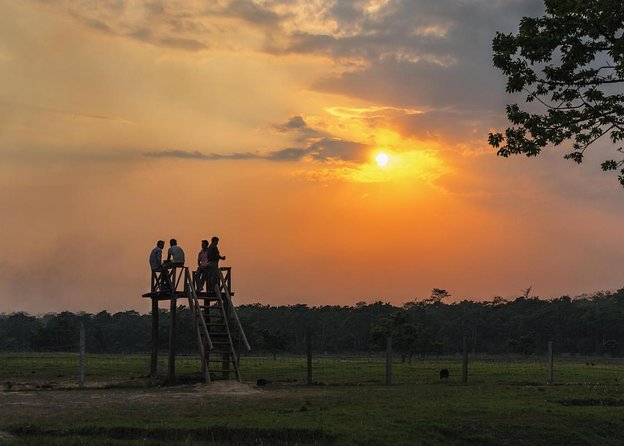
- Airport pickup + Thamel landing day so you start with less hassle after arrival
- UNESCO-style concentration in Kathmandu: Boudhanath, Patan Durbar Square, Pashupatinath, Swayambhu
- Chitwan with multiple safari styles: canoeing, jungle walking, and an open-top jeep safari
- Pokhara viewpoints built around timing like the Sarangkot sunrise morning
- Meals and admissions handled: many key tickets and activities are listed as included, with some admissions marked free
Why Kathmandu–Chitwan–Pokhara works in one trip
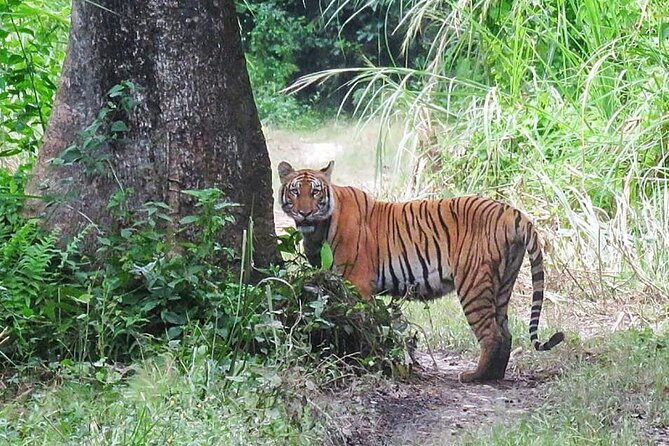
This itinerary hits three Nepal moods in eight days. Kathmandu gives you the human side: temples, courtyards, prayer flags, and carved stone that you can actually walk through. Chitwan flips the switch to animals and river scenes, where the point is being patient and present in the jungle. Pokhara then slows you down a notch with lake time and sunrise views, plus a few easy-to-moderate nature stops.
The value here is not just the route. It’s the way the days are arranged: heritage sites cluster together in Kathmandu, so you don’t spend your time commuting back and forth. Then Chitwan is set up as a full experience block, not a rushed drive-by. Finally, Pokhara ends with some of the most photogenic spots, but also gives you time to simply enjoy the lake area.
You can also read our reviews of more tours and experiences in Kathmandu.
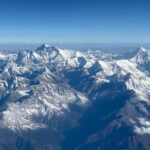
5-star hotels and the meal plan you should understand
You’re told accommodation is at 5-star hotel level. What that usually means on a trip like this is a more comfortable base for sleep and shower time—especially after longer driving days and early mornings.
The meal inclusions are specific:
- Breakfast is included for 6 days
- Lunch is included for 2 days
- Dinner is included for 2 days
So you should plan on buying a few meals yourself. That isn’t bad—Nepal food is part of the fun—but it does mean you’ll want to keep a little cash handy and stay aware of which days are meal-covered.
Also note: the package does not list private transportation as included. The good news is pickup is offered, and transfers between main stops are part of the program. The “private” part is really about whether you can request a fully independent vehicle and schedule for just your party.
Day 1 in Thamel: landing in Kathmandu and getting your bearings
Your first day starts with pickup from TIA (Tribhuvan International Airport) and a drive to your hotel. Then you get time to settle in and wander nearby.
Thamel is the classic starting point in Kathmandu for a reason. You’ll find easy access to shops, cafés, and travel services, and it’s a practical place to shake off jet lag. The same goes for the nearby areas mentioned for easy exploring, like Durbarmarg and Kathmandhu’s core zones.
This is also a smart “no heavy agenda” day. You get a low-stress start, which matters because you’ll be doing temple days and early viewpoint mornings later.
Day 2: Boudhanath Stupa, Patan Durbar Square, Pashupatinath, Swayambhunath
Day 2 is the big Kathmandu set-piece day, and it works because the stops are different kinds of sacred space.
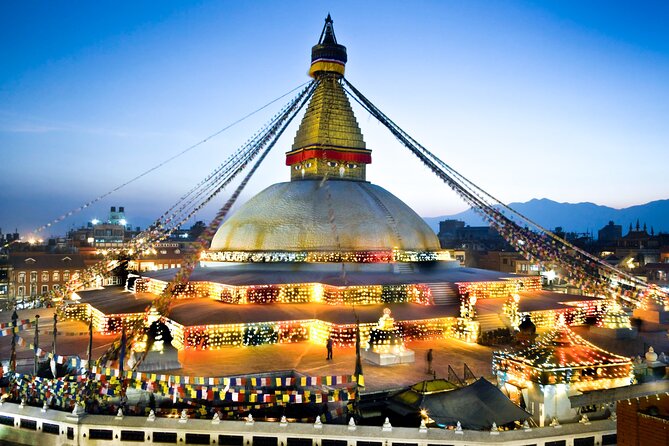
Boudhanath Stupa: calm, flags, and slow looking
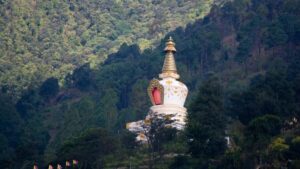
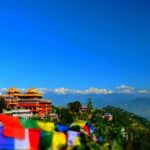
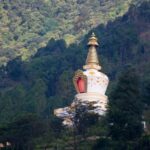
You spend about an hour at Boudhanath Stupa, with entry covered. Look for the prayer flags and the simple rhythm of people walking the stupa. If you’re tired from travel, this stop is your chance to reset your senses.
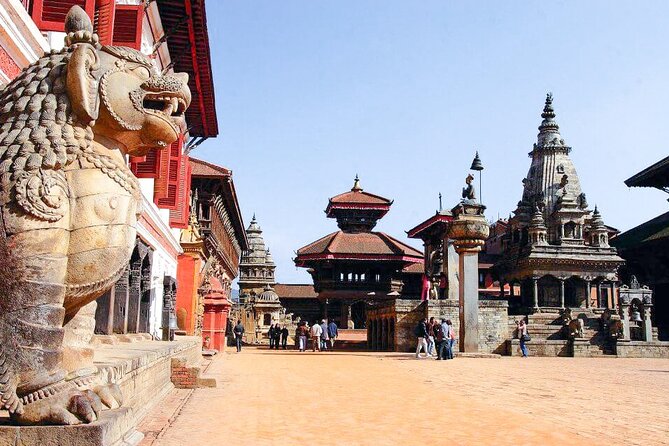
Patan Durbar Square: temples and courtyards
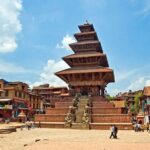
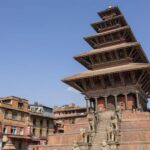
Next is Patan Durbar Square, a dense area of temples and courtyards. The itinerary notes many temples and bahals, plus sights like the Krishna Temple, Golden Temple, and the Mahabauddha Temple. You also have time at the Patan Museum.
This is where I’d slow down and pay attention. Courtyards and doorways here reward walking at a human pace instead of rushing for photos.
Pashupatinath: riverside Hindu temples
Then you head to Pashupatinath Temple, spread along the Bagmati River. It’s a complex of temples and ashrams, with centuries of inscriptions and life happening around it. You’ll follow your guide through the key areas in about two hours with admission included.
Swayambhunath: the hilltop overview
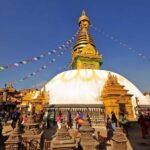
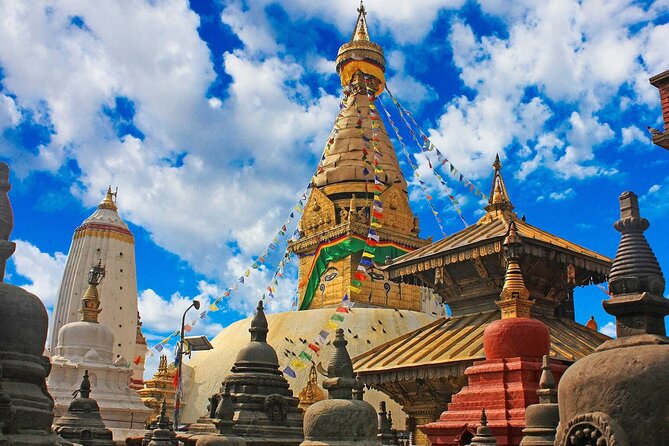
Finally, you climb to Swayambhu (Swayambhunath). The view from the top is the point, plus the statues of Gautama Buddha, painted deities, and the many religious objects across the hilltop.
One practical note: Kathmandu hilltop sites can be tiring. Wear shoes you’re comfortable walking in, because this day is a lot of steps.
Day 3: the drive out of Kathmandu to Chitwan
Day 3 starts with the ride out of Kathmandu Valley. The program notes you’ll pass countryside hills and, if luck is on your side, you can see mountains in the background.
Then you arrive in Chitwan National Park area during the day and shift into your first Chitwan evening activities. Expect a Rapti Riverside walk, a Tharu cultural show, and sunset viewing options.
This is a good setup for first-timers because you’re not thrown straight into peak jungle intensity. You ease in, get comfortable with the surroundings, and learn the local rhythm before the more active parts of Chitwan hit on Day 4.
Day 4 in Chitwan: canoeing, jungle walk, Tharu village, elephant center, jeep safari
Day 4 is the one most people talk about because it’s varied. You’re not doing one “generic” safari. You’re switching formats.
Rapti River canoeing: close-up water time
Canoeing on the Rapti River is listed with free admission and about 45 minutes. This is the part where you get a different angle on the park—waterways, bank edges, and places wildlife might move.
Jungle walking: slower, deeper, more physical
Next comes jungle walking (about 3 hours, admission included). Jungle walking is where you learn how big the park feels when you’re walking through it, not just sitting in a vehicle. Wear long sleeves or light layers if you get bothered by plants or sun.
Tharu culture and village life
You also visit the Elephant Breeding and Training center (about 1 hour, marked free admission) and then the Tharu village (about 30 minutes, admission included). This adds context to the wildlife story by showing the human communities connected to the area.
Jeep safari: the classic animal chase
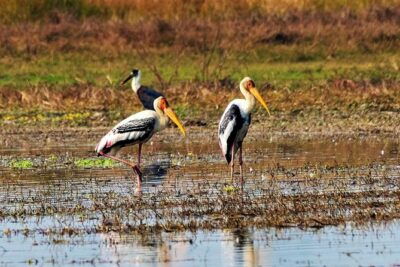
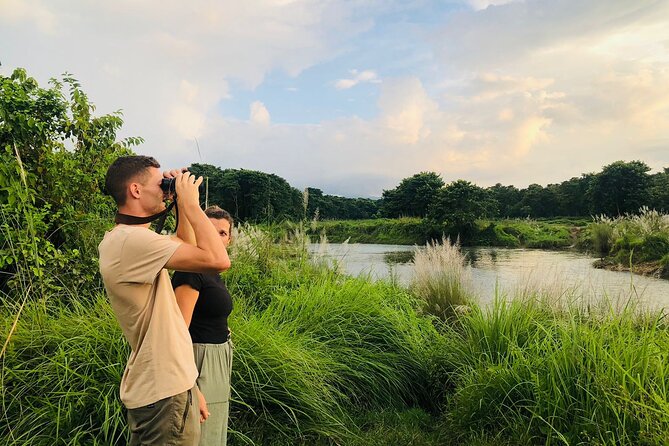
Finally, you go into a jeep safari session (about 4 hours, admission included). This is the part designed for spotting animals more actively. Open-top vehicles help with sightlines, and you’ll be scanning constantly.
A fair warning: wildlife is wildlife. You’re going for the chance to see things, not guarantees. Still, the mix of canoe + walk + jeep is a strong strategy for increasing your odds and keeping the day interesting.
Day 5: rivers on the road to Pokhara and Phewa Tal lake time
Today is the transfer day from Chitwan to Pokhara, and the itinerary specifically highlights the drive crossing three rivers: Trisuli, Marsyangdi, and Daraudi. It’s not a long sightseeing list, but the river crossings break up the ride and add scenery.
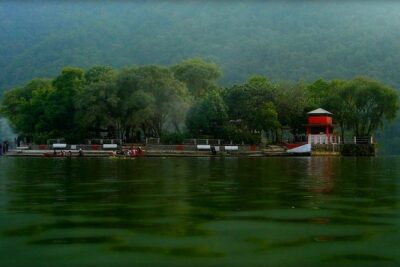
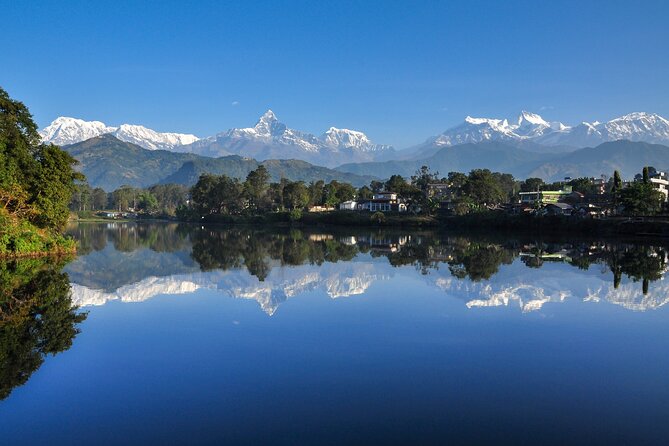
When you reach Pokhara, you focus on Phewa Tal. This includes lake time and boating, about 2 hours with admission included. If you like simple evenings, Pokhara is where that works: sit, look at the water, and watch the light change.
Day 6: Sarangkot sunrise, Devi’s Fall, Gupteswar Cave, World Peace Pagoda
Pokhara day is built for views and variety.
Sarangkot sunrise: morning payoff
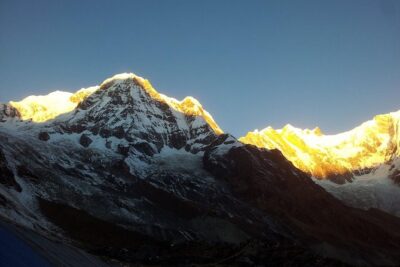
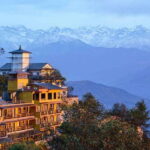
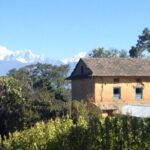
You start with sunrise from Sarangkot Hill (about 1 hour, admission included). The program notes that you can see the Annapurna and Manaslu regions, plus Pokhara valley views. Sunrise viewing is weather-dependent, so if cloud cover rolls in, you may get a softer view. Still, it’s one of the best ways to feel Pokhara early.
Devi’s Fall: quick, scenic, and short
Then you visit Devi’s Fall (about 30 minutes, admission included). It’s a compact stop, good when you want nature without losing an entire day.
Gupteswar Cave: a longer nature pause
Next is Gupteswar Cave (Gupha), described as Nepal’s longest cave at around 2950m, with about 1 hour on-site. You’ll see a cave discovery dated to the 16th century (as described in the program details).
Cave time can be chilly and damp, so bring layers you can handle.
World Peace Pagoda: lakeside view and calm
Finally, you hike a short distance to the World Peace Pagoda (about 2 hours, admission included). The focus here is the quiet feeling and the viewpoint over the lake.
This is a good ending stop because the day closes on something reflective after the more active sunrise and cave segments.
Day 7: Durbarmarg free time and Narayanhiti area vibes
Back in Kathmandu, you get time in Durbarmarg (about 1 hour, admission free). The area is known for clubs, pubs, massage centers, shopping, and views around the Narayanhiti Palace area.
This day is more about using your own energy. If you want souvenir browsing, snacks, or a casual evening feel, this is where you do it. If you want museum time or extra temple time instead, this limited window might not fit your style—but it’s still a useful chance to be independent at the end.
Day 8: airport transfer that matches your flight
On departure day, staff take you to Tribhuvan International Airport based on your flight time. The tour start time is listed as 9:15am, so your final day depends on the departure schedule.
Practical tip: keep your travel documents ready the night before. Your last day is meant to remove stress, not add it.
Price and value: is $1,400 fair for this mix?
At $1,400 per person for 8 days, you’re paying for a few things at once:
- 5-star hotel accommodation level (not just guesthouses)
- a structured route across three major regions
- multiple activity types in Chitwan, not just one stop
- many admissions included across Kathmandu and Pokhara
- pickup and key transfers (while private transportation is not listed as included)
Compared to doing these regions separately, the value is in the “setup work”: tickets, guides for the main heritage blocks, and a schedule that strings everything together without you planning every day. The added value is also in the comfort level you get from the hotel tier after long travel days.
One thing to watch: because not every lunch/dinner is included, you may need to budget for a few meals on your own. The overall spend can creep up if you eat at higher-end places each time, but that’s true for most tours.
Also, this trip is commonly booked well in advance (about 119 days on average). That’s a sign of popularity, especially for the Kathmandu + Chitwan + Pokhara combo.
Weather, pace, and who this Nepal tour fits best
This experience notes it requires good weather. That affects sunrise visibility from Sarangkot and can influence how pleasant outdoor parts feel.
Pace-wise, it’s active. You’ll be up early for viewpoints, doing temple walking days, then hitting a full Chitwan program. If you love variety and you’re comfortable moving each day, you’ll probably enjoy it a lot. If you want lots of downtime, you might feel like your schedule is doing the scheduling.
Who it suits best:
- couples and families who want big highlights without planning every detail
- first-time Nepal visitors who want heritage, nature, and lake views in one week
- travelers who value having guides and admissions handled
Who may want to adjust expectations:
- people who dislike jungle days or cave days
- anyone who needs a very slow travel pace
Should you book this 8 Days Tour in Nepal?
If you want a Nepal trip that covers the major hits with a comfortable hotel base, this one makes sense. I like that it mixes iconic Kathmandu religious sites with real nature activities in Chitwan, then finishes with Pokhara views that feel calmer and more scenic. The package also seems to be run with care, based on repeated praise for owner Mani’s communication and guide Sanjaya’s guiding, plus named drivers like Binod and RAM.
Before you book, check your priorities. If you want a relaxed week with minimal driving, pick something else. If you want a structured, highlight-heavy week where your time is used well, this itinerary is a strong choice.
FAQ
FAQ
What cities and regions does this 8-day Nepal tour include?
It covers Kathmandu, Chitwan National Park, and Pokhara, then returns to Kathmandu for departure.
Is airport pickup included?
Pickup is offered, and the first day includes transfer from TIA (Tribhuvan International Airport) to the hotel. On the last day, staff take you to the airport based on your flight time.
Are meals included in the tour price?
Breakfast is included for 6 days, and lunch is included for 2 days, with dinner included for 2 days. Some meals will be on you.
Are entrance tickets and activities included?
Many stops list admission tickets as included, and some activities are marked as free admission. Not every item is listed the same way, so expect a mix of included admissions across the itinerary.
Is private transportation included?
Private transportation is not listed as included. Pickup and transfers for the tour route are part of the experience.
How big is the group?
The tour lists a maximum of 30 travelers.
Does the tour depend on weather?
Yes. The experience requires good weather, and if canceled due to poor weather you’ll be offered a different date or a full refund.
What is the cancellation window for a full refund?
You can cancel up to 3 days in advance for a full refund, but if you cancel less than 3 full days before the start time, the amount paid is not refunded.