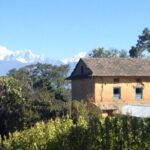
Three days in Pokhara, neatly packed. This is a fast, organized Pokhara highlight run from Kathmandu, with an early Annapurna sunrise at Sarangkot, plus major stops like the World Peace Pagoda and Phewa Tal. I like that it’s built for efficiency, not stalling around. I also like that the sightseeing is structured enough that you spend most of your time outside, not lost in logistics.
One consideration: you’re buying time, but you pay with long bus days. Expect roughly 8 hours each way on a tourist bus, and the early start for sunrise can feel sharp—especially if you’re not used to pre-dawn travel.
In This Review
- Key points worth knowing before you go
- Kathmandu to Pokhara: the real deal on time and comfort
- Sarangkot sunrise at 5:30 am: worth it, if you prep
- World Peace Pagoda: a hilltop that keeps pulling you back
- Devi’s Fall and Gupteswar Gupha: water and cave in one flow
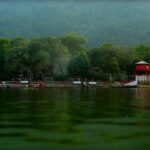
- Phewa Tal rowing boat hour: the calm break in Pokhara
- International Mountain Museum: learning without making it a chore
- Day 3 back to Kathmandu: plan for a late, bumpy finish
- Price and value: what $540 is really buying
- Who this tour suits best
- Should you book this 3-day Pokhara package?
- FAQ
- How long is the 3 Days Pokhara Tour From Kathmandu?
- Do I get hotel pickup in Kathmandu?
- How do we travel between Kathmandu and Pokhara?
- Is there an English-speaking guide in Pokhara?
- What are the main sights included in Pokhara?
- Are entrance fees included?
- Is lunch and dinner included?
- What time do you start for the Sarangkot sunrise stop?
- What is the cancellation window for a full refund?
Key points worth knowing before you go
- Sarangkot starts around 5:30 am so you can catch the best shot at seeing Annapurna ranges in the morning light.
- World Peace Pagoda is a Japanese Buddhist hilltop stop with big views over Pokhara.
- Devi’s Fall and Gupteswar Gupha give you nature variety in one block: waterfall drama plus a cave visit.
- Phewa Tal gets your rowing boat hour—one of the most peaceful parts of the itinerary.
- International Mountain Museum adds context on Nepal’s mountaineering scene when you’re tired of walking.
Kathmandu to Pokhara: the real deal on time and comfort
This 3-day Pokhara tour from Kathmandu is designed for people who want the essentials without spending a week planning rides, tickets, and routes. The rhythm is simple: you get picked up in Kathmandu, transfer to the bus station, then take a tourist bus to Pokhara. In Pokhara, you run the sightseeing loop by private car with an English-speaking guide.
That structure is the value. You’re paying for fewer decisions. You also get smaller-group handling than a mega-coach style day, since the overall tour has a maximum of 25 travelers.
Now the trade-off. The Kathmandu–Pokhara and return legs are long. The schedule is roughly 8 hours each way, but road conditions can stretch that, and the ride can be bumpy. That matters because it turns “travel days” into two of your three days. If you’re the type who hates slow overland trips, consider whether you’d rather fly and buy back energy for your actual Pokhara time.
Practical tip: plan your clothing and small comforts like you would for a long coach day. Bring a light layer, water, and something for your eyes if the road glare is strong. If you’re sensitive to motion, this is the part that will test you.
You can also read our reviews of more tours and experiences in Kathmandu
Sarangkot sunrise at 5:30 am: worth it, if you prep
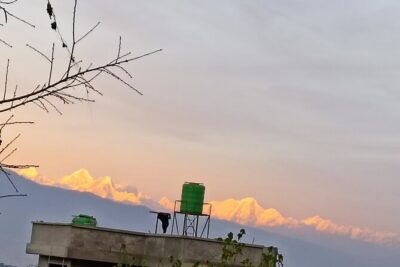
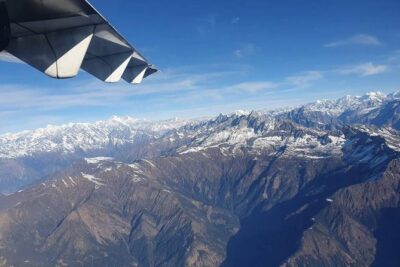
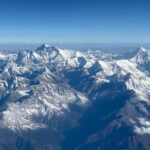
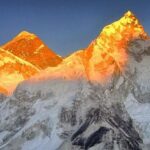
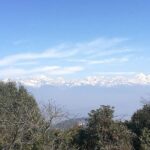
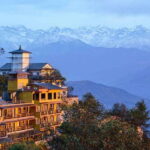
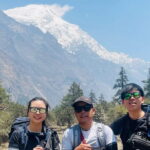
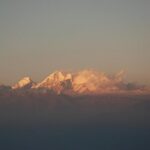
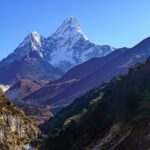
The itinerary’s big moment is the Sarangkot sunrise viewing. You start early—around 5:30 am—from the Lakeside area—so you’re out before the city fully wakes up. The viewpoint is the point: you’re aiming for a clear look across the Annapurna mountain ranges when the light is right.
Here’s what I’d tell you to watch for. Sunrise views are never guaranteed, because weather and cloud cover control visibility. But the timing is correct: early enough for light, early enough for you to get settled at the viewpoint without rushing. The tour gives you about an hour at Sarangkot, which is usually enough to take photos, enjoy the temperature shift (it can feel chilly pre-dawn), and then move on without losing the whole morning.
What makes this stop feel special is that it’s not just “a viewpoint.” It’s an experience shaped by Nepal’s geography—mountains, morning haze, and that moment when the valley wakes up below you. Even if the clouds soften the view, you still get a calm, layered look over Pokhara.
Practical prep:
- Wear layers you can peel off fast once the sun rises.
- Bring a camera strap or secure way to hold your gear in the cold air.
- If you’re traveling in a group, buffer time before you go so you’re not sprinting into morning cold.
World Peace Pagoda: a hilltop that keeps pulling you back
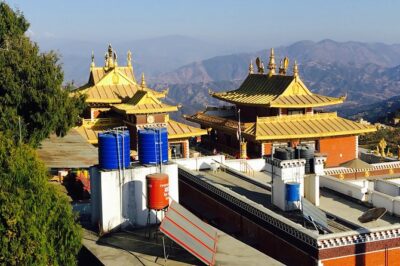
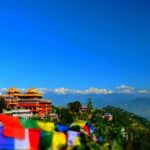
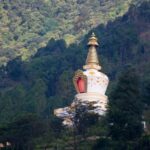
After the early morning push, the day steadies out with a classic Pokhara hit: the World Peace Pagoda. This is a Japanese Buddhist temple area sitting on a hill, and the payoff is panoramic sightlines over Pokhara plus views toward the Annapurna region.
What I like about this stop is the balance. It’s spiritual, but it’s also practical. You get an iconic Pokhara postcard view without needing a long hike program. And because it’s a temple complex, it’s also a place where your attention naturally slows down—less about speed, more about looking.
One more practical detail: the tour lists the pagoda stop as free of admission fees. That’s helpful when you’re budgeting entrance costs, since some other stops in the day will require payment.
Tip for your photo planning: aim to take your wide shots first, then circle back for quieter angles. Hilltop areas can get crowded during peak moments, and your first minutes matter.
Devi’s Fall and Gupteswar Gupha: water and cave in one flow
Day 2 runs a neat nature theme: you start with Devi’s Fall, then head to Gupteswar Gupha.
Devi’s Fall
This waterfall is beautiful and dramatic, and it’s one of those sights where you understand why it’s famous even before you know the story. The waterfall stop is short—around 20 minutes—so treat it like a quick hit: enough time to look, take photos, and move on without turning it into a half-day commitment. Entrance fees aren’t included for this stop, so budget a bit for tickets.
Gupteswar Gupha
Next is the cave visit at Gupteswar Gupha, with about 40 minutes on site. Caves are a different kind of atmosphere—dimmer, cooler, and more about walking slowly than speeding through photo angles. This stop also isn’t listed as free for admission, so tickets add to the on-the-ground costs.
What makes pairing these two stops smart is contrast. Waterfalls are open-air and loud. Caves are enclosed and quiet. You get two kinds of Nepal nature in one stretch without repeating the same experience twice.
Practical tip: wear shoes with solid grip. Even if the path looks manageable, cave and waterfall zones can be slick.
Phewa Tal rowing boat hour: the calm break in Pokhara
Then comes the part many people remember for its mood: time on Phewa Tal (Fewa Lake) with a rowing boat experience for about an hour. Your Phewa Tal stop is listed for about an hour total, and the overview specifies an hour on a rowing boat—so plan for your time to be split between lakeside moments and the boat itself.
This is your decompression. After sunrise and temple-and-nature stops, the lake slows everything down. The scenery is different from mountain viewpoints: here you see the valley’s shape reflected on water, and you get a quieter kind of panorama.
Also, it’s a budget-friendly element of the day because the Phewa Tal stop is listed as having free admission fees. The on-water portion is part of why this itinerary stays good value: it includes a classic Pokhara activity rather than only viewpoints.
Practical tip: if you get cold easily, bring a thin layer. Lake mornings and breezes can feel cooler than you expect once the boat is moving.
International Mountain Museum: learning without making it a chore
The last stop of Day 2 is the International Mountain Museum, about 1.5 hours. It’s centered on mountaineering and Nepal’s climbing culture, which is a smart match after your Annapurna sunrise moment. You’re not just seeing mountains—you’re learning why they matter to Nepal and to the world of climbing.
The museum is one of the few places on this itinerary where time is spent indoors or semi-indoors. That helps if you want an hour where you can sit, browse, and recharge your feet. Entrance fees aren’t included here, so it adds to your day’s ticket budget.
If you like context—knowing a little more about the mountain stories before you go back to the airport desk—this stop pays off. If you’re not a museum person, treat this as a break rather than an all-or-nothing experience. Even a partial visit can still make your sunrise feel more meaningful.
Day 3 back to Kathmandu: plan for a late, bumpy finish
After breakfast (around 7:00 am), you transfer back to the bus station and ride the tourist bus back to Kathmandu. The schedule lists about 8 hours for the return.
This is where I’d be most realistic. You’re repeating the long overland leg, and late arrival can happen depending on traffic and conditions. One past experience noted a drop-off that felt less like a precise hotel return and more like a roadside handoff after dark. Even if your exact end point may differ, plan your evening buffer in Kathmandu. Don’t schedule anything critical that requires perfect timing if you can avoid it.
Practical tip: keep your essentials in your day bag so you’re not relying on an overpacked suitcase during the ride.
Price and value: what $540 is really buying
At $540 for a 3-day Pokhara tour from Kathmandu, you’re paying for the whole package of coordination and guiding. Based on what’s included, here’s what your money covers:
- Kathmandu pickup and drop-off
- Round-trip tourist bus transfer
- Pokhara sightseeing with an English-speaking guide and private car
- A structured, full loop that hits major Pokhara highlights
What’s not included is also clear:
- Lunch and dinner
- Entrance fees (listed as approximately US$10 total)
- Optional gratuity
So is it good value? It can be, especially if:
- You want an English guide and don’t want to negotiate transport between stops
- You’d rather pay to remove planning headaches
- You’re traveling in a short window and want sunrise + lake + pagoda + cave/waterfall
But if you’re mainly focused on minimizing cost and you’re comfortable handling your own rides, the price will feel high relative to what you might spend on tickets and local transport alone. Still, the itinerary’s tight schedule and the early sunrise logistics aren’t free to organize.
My advice: treat the price as payment for saved time and fewer decisions, not just “transport.” If you value that, it’s money well spent.
Who this tour suits best
This tour fits you best if you:
- Have limited time and want a strong Pokhara overview in 3 days
- Want guided sightseeing with an English-speaking guide
- Really care about the Annapurna sunrise at Sarangkot
- Prefer a plan that reduces uncertainty (especially on road travel)
It may feel less ideal if:
- Long road days make you miserable
- You’re sensitive to early mornings
- You need super flexible control over the exact timing of each stop
This is also a good match for couples, small groups, and solo travelers who like having a plan but still want to enjoy real moments—like the Phewa Tal boat hour—rather than constant movement.
Should you book this 3-day Pokhara package?
If your goal is a structured Pokhara highlights run from Kathmandu, this tour makes sense. The combination of Sarangkot sunrise timing, the hilltop World Peace Pagoda views, and the Phewa Tal boat hour creates a good spread: early mountains, spiritual viewpoints, nature stops, and a calm lake interlude.
Book it if you can handle the early 5:30 am start and the long bus rides. Skip it (or consider alternatives like flying) if you know you’ll feel drained by 8+ hours on bumpy roads.
One last checklist before you commit: bring warm layers for sunrise, wear grippy shoes for caves/wet areas, and don’t lock in tight plans for your last evening in Kathmandu.
FAQ
How long is the 3 Days Pokhara Tour From Kathmandu?
It’s approximately 3 days total.
Do I get hotel pickup in Kathmandu?
Yes. The tour includes hotel pickup and drop-off in Kathmandu.
How do we travel between Kathmandu and Pokhara?
You take a sharing tourist bus transfer round-trip between Kathmandu and Pokhara.
Is there an English-speaking guide in Pokhara?
Yes. You get an English-speaking tour guide in Pokhara, using a private car for the sightseeing loop.
What are the main sights included in Pokhara?
Key stops are Devi’s Fall, Gupteswar Gupha, World Peace Pagoda, Sarangkot sunrise, Phewa Tal (with a rowing boat hour), and the International Mountain Museum.
Are entrance fees included?
Entrance fees are not included. The tour notes approximately US$10 for entrance fees, and some stops are listed as having admission tickets free while others are not.
Is lunch and dinner included?
No. Lunch and dinner are not included.
What time do you start for the Sarangkot sunrise stop?
The tour schedules a start around 5:30 am from the Lakeside area in Pokhara.
What is the cancellation window for a full refund?
You can cancel up to 3 days in advance of the experience for a full refund.